Why Choose Electric Resistance Heating Pipe for Your Needs?
Electric Resistance Heating Pipes have revolutionized the way we approach heating systems. Expert engineer John Smith, a leading authority in thermal technology, states, "Electric Resistance Heating Pipes provide unmatched efficiency for diverse applications." This highlights the growing preference for these systems in residential and industrial settings.
The design of Electric Resistance Heating Pipes ensures effective heat distribution. This becomes crucial in environments where precision is key. However, choosing the right system requires careful consideration. It's essential to evaluate your specific heating needs and available power sources to avoid inefficiencies.
Despite their benefits, some may overlook potential downsides. Electric Resistance Heating Pipes can incur higher operational costs under certain conditions. Awareness of these factors can lead to better decision-making. It's important to weigh both pros and cons before investing in any heating solution. The right information is crucial. Understanding Electric Resistance Heating Pipes allows for informed and effective choices in heating solutions.
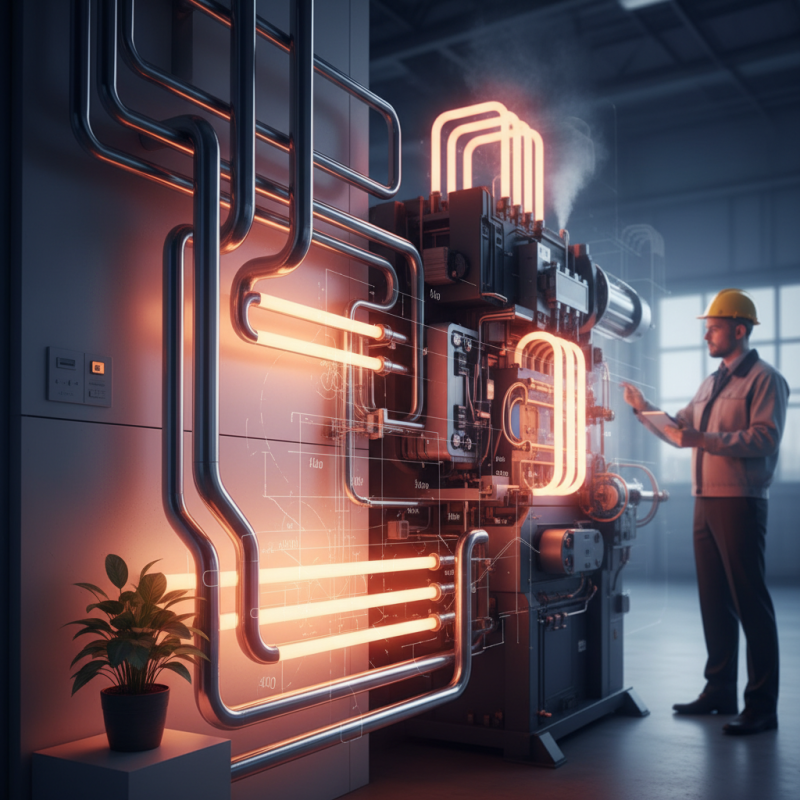
Advantages of Electric Resistance Heating Pipes Over Traditional Systems
Electric resistance heating pipes offer distinct advantages over traditional heating systems. They are efficient and straightforward. With these pipes, heat is generated directly at the point of use. This means faster heating and reduced energy waste, making it a cost-effective solution.
Moreover, the installation process for electric resistance heating pipes is often less complex. They do not require extensive ductwork or plumbing modifications. This simplicity means lower installation costs and time. Maintenance is also more manageable, as there are fewer moving parts involved.
On the other hand, one drawback is that electric resistance can lead to higher electricity bills during peak usage. Users should monitor their energy consumption closely. Additionally, the reliance on electricity can be a concern during power outages. Evaluating these factors is essential. Balancing the benefits with potential drawbacks will ensure that home heating needs are optimally met.
How Electric Resistance Heating Works: A Technical Overview
Electric resistance heating is a powerful method for converting electrical energy into heat. In essence, it uses resistive materials to turn electricity into thermal energy. This process is efficient, as nearly 100% of the electrical energy is transformed into heat, minimizing wastage. According to industry reports, electric resistance heating systems can achieve efficiencies of up to 99%, making them a preferred choice for various applications.
The technology behind electric resistance heating involves simple yet effective principles. When current flows through a conductor, it generates heat due to resistance. Materials like copper and aluminum are often used. As the current encounters resistance, heat is released. A study from the U.S. Department of Energy shows that residential electric heating, including resistance systems, represents approximately 13% of total energy consumption in homes. This highlights the relevance of understanding how these systems function effectively.
Despite their efficiency, there are challenges. The initial investment in installation can be significant. Additionally, reliance on electric resistance heating during peak demand can strain electrical grids. Users need to balance the benefits with these considerations. Understanding the technical aspects is pivotal for making informed choices, especially in energy management and sustainability. It's essential to reflect on both the advantages and the potential drawbacks when deciding on the suitability of electric resistance heating for specific needs.
Why Choose Electric Resistance Heating Pipe for Your Needs?
| Feature | Description | Benefits |
| Energy Efficiency | Electric resistance heating pipes convert electricity directly into heat. | Reduced energy consumption and lower utility bills. |
| Safety | Designed with safety features to prevent overheating. | Minimized risk of fire hazards. |
| Easy Installation | Can be easily integrated into existing systems. | Saves time and labor costs during installation. |
| Low Maintenance | Requires minimal upkeep compared to traditional heating methods. | Longer life span and fewer repair costs. |
| Versatility | Applicable for various heating needs, including homes and industrial uses. | Flexibility in use across different environments. |
Applications of Electric Resistance Heating Pipes in Various Industries
Electric resistance heating pipes are becoming increasingly popular in various industries. These pipes convert electrical energy into heat efficiently. They are often used in manufacturing processes that require precise temperature control. Industries like food processing use these pipes for uniform heating. They ensure consistent quality in the final product.
In construction, electric resistance heating pipes provide reliable solutions for underfloor heating. They create a comfortable environment in residential and commercial buildings. In the chemical industry, these pipes facilitate heating reactions in reactors or process vessels. Their ability to tolerate harsh conditions adds to their appeal.
Despite their advantages, it's essential to consider installation challenges. Proper placement and insulation are critical to maximizing efficiency. Regular maintenance is also necessary, which can lead to unplanned downtimes. It's crucial to weigh the benefits against these potential drawbacks when choosing heating solutions.
Cost-Effectiveness and Efficiency of Electric Resistance Heating Solutions
Electric resistance heating pipes are increasingly being recognized for their cost-effectiveness and efficiency. According to the U.S. Department of Energy, homes using electric resistance heating can realize energy savings of up to 30% compared to traditional systems. The initial setup may require a higher investment, yet the long-term energy savings often outweigh these costs. Over five years, users can expect to see a significant reduction in heating bills.
The simplicity of electric resistance systems contributes to their appeal. They offer straightforward installation and require minimal maintenance compared to complex heating systems. An industry report from the National Renewable Energy Laboratory found that electric resistance heaters can operate with a remarkable efficiency rate of approximately 100%. However, it’s essential to note that when outside temperatures plummet, the efficiency may drop slightly. Awareness of this can lead to better planning and usage strategies.
Users should consider the actual heating needs of their spaces. In some scenarios, supplemental heating may be necessary to maintain comfort levels. Evaluating the thermal performance of buildings is crucial in maximizing the efficiency of electric resistance heating. Continuous monitoring can reveal opportunities for improvement. Emphasizing energy management helps prevent potential wastage and ensures effective use of resources.
Installation and Maintenance Considerations for Electric Resistance Heating Pipes
When considering electric resistance heating pipes, the installation process is crucial. Proper placement affects efficiency. These pipes should ideally be installed in areas that require consistent heat. Insulation around the pipes is essential to minimize heat loss. This not only enhances performance but also saves energy.
Maintenance is another area needing attention. Regular inspections help identify potential issues early. Look for unusual noises or inconsistent heating, as these may indicate problems. While electric resistance heating pipes are generally low-maintenance, they still require periodic checks. Cleaning the system can prevent buildup that hinders performance.
It’s important to remember that not every installation will be flawless. Mistakes can affect safety or efficiency. An experienced installer can help minimize errors. However, homeowners should also engage with the process. Knowing the basic components will aid in troubleshooting common issues. Adapting to the requirements of your space allows for better overall performance.