Top 10 Tips for Sourcing Auto Shafts Effectively?
Sourcing Auto Shafts effectively is essential for manufacturers in the automotive industry. High-quality auto shafts are crucial for ensuring vehicle performance and longevity. However, finding the right suppliers can be challenging. Many manufacturers struggle with quality consistency and pricing.
Understanding the auto shaft market requires expertise and experience. A reliable supplier can make a significant difference to a company's operations. It's crucial to evaluate suppliers thoroughly. This includes assessing their production capabilities and material quality. A flawed auto shaft can lead to severe consequences, including safety risks.
Many sourcing professionals often overlook the importance of relationships and communication. Building trust with suppliers fosters better negotiation outcomes and consistent quality. In this guide, we will delve into practical tips that can help you navigate the complexities of sourcing auto shafts effectively. This will enable you to make informed decisions and improve your supply chain dynamics.
Understanding the Types of Auto Shafts and Their Applications
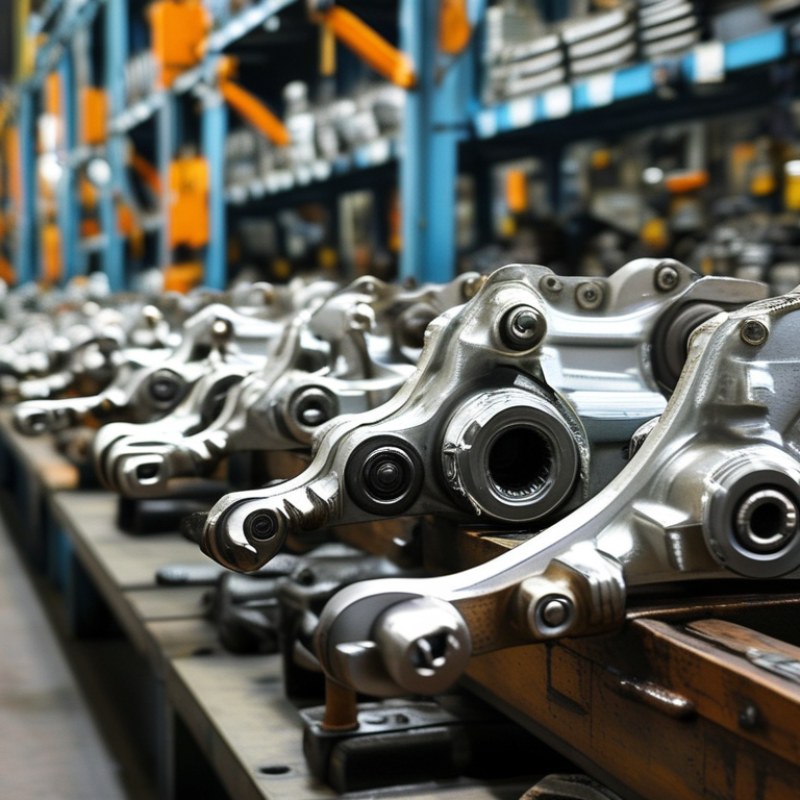
When sourcing auto shafts, understanding the types and their applications is crucial. Auto shafts, including drive shafts, axle shafts, and propeller shafts, serve specific roles in vehicle performance. For instance, drive shafts transfer power from the engine to the wheels, while axle shafts support the wheel assembly. Knowing the differences helps in making better sourcing decisions.
Tip 1: Assess Material Quality
Quality materials enhance durability. Look for auto shafts made from high-strength steel or aluminum. These materials resist wear and tear. Test samples for stress endurance before bulk sourcing.
Tip 2: Review Manufacturing Processes
The manufacturing technique affects the shaft's reliability. Forging often results in better structural integrity compared to casting. Understand production methods to avoid sourcing weaknesses.
Tip 3: Verify Supplier Credentials
Choose suppliers with a track record. Check certifications and customer reviews. Reliable suppliers provide warranties, ensuring product integrity. This reduces risks and boosts confidence in procurement.
Identifying Reliable Suppliers for Auto Shafts
Finding reliable suppliers for auto shafts is crucial for manufacturers. Many suppliers promise quality but fail to deliver. It’s essential to conduct thorough research before making commitments. Look for suppliers with industry certifications and positive reviews. These indicators can provide initial confidence in their reliability.
Engaging directly with potential suppliers offers deeper insights. Ask for product samples to evaluate quality. Discuss their production processes and quality control measures. A supplier’s willingness to share this information reflects their transparency. Keep an eye on their communication. Quick and clear responses can indicate professionalism and dedication.
Building relationships with suppliers also plays a key role. Attend industry events and trade shows where you can network. Personal connections often lead to more trustworthy partnerships. Keep track of suppliers who meet your needs consistently. Reflect on past experiences to refine your supplier selection process.
Evaluating Quality Standards in Auto Shaft Manufacturing
When sourcing auto shafts, evaluating quality standards is crucial. High-quality auto shafts ensure durability and performance. Start by assessing materials used in production. Premium steel alloy is often a reliable choice. It enhances strength and reduces wear over time. Look for manufacturers with certifications that guarantee adherence to quality norms.
Quality control processes are essential. A reputable manufacturer will have rigorous testing protocols in place. This may include checks on tensile strength, fatigue resistance, and dimensional accuracy. Understanding these metrics is vital. Even slight deviations can lead to failures in automotive applications.
Supplier transparency is valuable. Engage with manufacturers who openly share test results and quality reports. This builds trust and ensures reliability. It’s also worth noting that not every supplier meets these standards. Take time to conduct thorough research and visit production facilities if possible. Quality assurance is an ongoing journey, requiring vigilance throughout the sourcing process.
Top 10 Tips for Sourcing Auto Shafts Effectively - Evaluating Quality Standards in Auto Shaft Manufacturing
| Tip Number | Tip Description | Quality Standard | Evaluation Metric | Source |
| 1 | Understand Material Specifications | ISO 9001 | Material Composition Analysis | Industry Standards |
| 2 | Evaluate Manufacturer's Credentials | ISO/TS 16949 | Credential Verification | International Quality Certification |
| 3 | Inspect Production Processes | Six Sigma | Process Capability Analysis | Lean Manufacturing Guidelines |
| 4 | Request Samples for Testing | ASTM Standards | Product Testing Reports | Consumer Reports |
| 5 | Assess Production Capacity | Capacity Utilization Rate | Output vs Demand Ratio | Manufacturing Reports |
| 6 | Verify Delivery Reliability | On-Time Delivery Rate | Comparative Delivery Records | Logistics Performance Metrics |
| 7 | Evaluate After-Sales Support | Customer Satisfaction Index | Support Response Time | Client Feedback Surveys |
| 8 | Check Compliance with Safety Standards | CE Marking | Safety Testing Results | Regulatory Agency Reports |
| 9 | Review Financial Stability | Financial Audits | Balance Sheet Analysis | Credit Ratings |
| 10 | Assess Overall Product Quality | SPC (Statistical Process Control) | Defect Rates and Trends | Quality Assurance Protocols |
Negotiating Prices and Terms with Auto Shaft Vendors
When negotiating prices and terms with auto shaft vendors, having a clear strategy is crucial. First, understand the market rates for auto shafts. Research current trends and pricing structures. This knowledge gives you leverage during negotiations. Show vendors that you are informed. It helps build trust.
Tip: Always request multiple quotes. This encourages competition among suppliers and can help drive down prices. Use these quotes as a baseline for your negotiations. Vendors may adjust their offers upon seeing competitors' prices.
Keep communication open. Be clear about your requirements and expectations. This reduces misunderstandings and establishes a professional tone. If an agreement cannot be reached, it may be helpful to reflect on your needs. Sometimes, adjusting your order or timeline can lead to more favorable terms.
Tip: Be willing to walk away if needed. If a vendor cannot meet your pricing or quality standards, don’t be afraid to explore other options. This mindset often leads to better deals. Trust your instincts and prioritize quality alongside cost.
Ensuring Compliance with Industry Regulations for Auto Shafts
When sourcing auto shafts, compliance with industry regulations is crucial. The complexity of regulatory requirements can be daunting. A recent report by the Automotive Industry Action Group (AIAG) shows that about 70% of manufacturers experience challenges in meeting compliance standards. This highlights the need for structured processes in sourcing auto shafts.
Understanding ISO/TS 16949 and its implications for quality management is important. Certification ensures that suppliers meet customer and regulatory requirements. A survey from IHS Markit indicates that compliant suppliers often see a reduction in defects by up to 30%. Non-compliance can lead to costly recalls and safety issues, which is why these regulations are not just boxes to check.
However, navigating these standards requires diligence. Some suppliers may not fully grasp the complexities of compliance. Regular audits and evaluations can improve understanding. It's also beneficial to maintain open communication with suppliers about their compliance status. Engaging in collaborative discussions can lead to shared insights and improved practices.