Top 10 Tips for Choosing the Best Thermal Paper POS Solutions?
Selecting the right Thermal Paper Pos solution can significantly impact your business operations. The right choice can enhance customer satisfaction and streamline transactions. Conversely, a poor choice may lead to friction in service delivery and increased costs.
Thermal paper POS systems are vital for various industries. From retail to hospitality, these systems improve efficiency and accuracy. However, the market offers numerous options, making the decision daunting. It’s crucial to understand the unique requirements of your business to find the perfect fit.
When evaluating thermal paper POS solutions, consider factors such as print quality and durability. Look for features that align with your needs. Cost is another essential consideration. Investing in a reliable solution can pay off in the long run. A well-chosen POS system not only supports your operations but also enhances your brand image. Keep these aspects in mind as you navigate the selection process.
Understanding Thermal Paper: The Backbone of POS Solutions
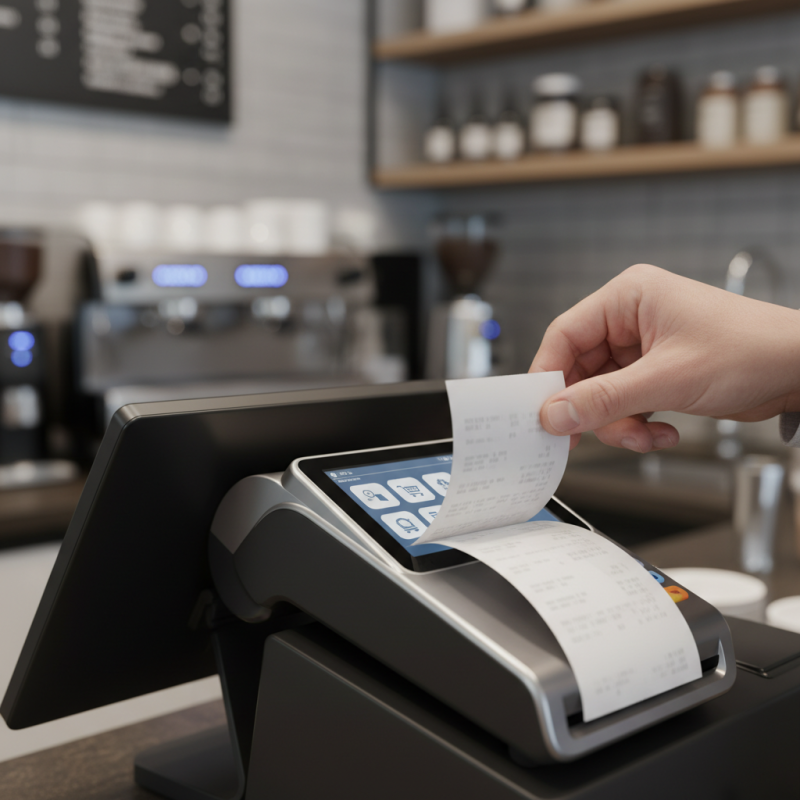
Thermal paper serves as an essential component in point-of-sale (POS) systems. It transforms simple transactions into clear, actionable records. The unique coating on thermal paper reacts to heat, producing text and images without the need for ink. This feature makes it cost-effective and efficient. However, not all thermal papers are created equal.
Choosing the right thermal paper can be challenging. Look for papers that are durable and won't fade quickly. Poor-quality thermal paper can result in unreadable receipts over time. Users often overlook the impacts of humidity and temperature on thermal paper. These environmental factors can affect the print quality and longevity of receipts. Understanding these details is vital in making an informed choice.
Businesses should also consider their printing needs. The thickness of the paper can influence the speed of the printer and the overall transaction efficiency. While thicker paper may seem better, it can complicate the printing process in some machines. Each option carries its pros and cons, requiring careful thought. Reflecting on these aspects can lead to smarter decisions regarding thermal paper usage in POS solutions.
Key Factors to Consider When Selecting Thermal Paper for POS Systems
When selecting thermal paper for POS systems, several key factors come into play. The quality of thermal paper is crucial. High-quality paper ensures clear printing and longevity. It reduces the chances of smudging or fading, which is vital for maintaining records. Poor-quality paper can lead to customer dissatisfaction and create inefficiencies during transactions.
Additionally, consider the size and compatibility of the thermal paper. Different POS systems require specific paper widths and lengths. Always check compatibility before making a purchase. It's easy to overlook, but mismatched paper can disrupt operations. The environmental impact of the materials used is also important. Biodegradable or eco-friendly options are gaining popularity.
Price shouldn't be the sole focus. Evaluate the total cost of ownership instead. Cheaper paper might save money upfront but can lead to higher costs in the long run. If the paper fails frequently, it could waste time and resources. Reflect on these aspects to make an informed decision that balances quality with practicality, ensuring a smoother business operation.
Top 10 Tips for Choosing the Best Thermal Paper POS Solutions
| Tip Number | Key Factor | Description | Importance Level |
| 1 | Paper Quality | Ensure the thermal paper is of high quality to avoid jamming and fading issues. | High |
| 2 | Width Compatibility | Choose paper that is compatible with your specific POS printer width. | Medium |
| 3 | Roll Length | Consider the length of the roll for fewer changes during busy hours. | Medium |
| 4 | Thermal Coating | Select a paper with a high-quality thermal coating for better print clarity. | High |
| 5 | Environmental Considerations | Choose eco-friendly or BPA-free thermal paper options. | Medium |
| 6 | Cost Efficiency | Evaluate the cost per roll to ensure budget-friendliness. | High |
| 7 | Supplier Reliability | Choose reputable suppliers with consistent delivery schedules. | High |
| 8 | Storage Conditions | Consider how the paper will be stored to prevent damage. | Medium |
| 9 | Lead Time | Understand the lead time for receiving orders to avoid stockouts. | Medium |
| 10 | Customer Support | Ensure the supplier offers good customer support for any issues. | High |
Evaluating Cost-Effectiveness of Different Thermal Paper Brands
When evaluating the cost-effectiveness of thermal paper brands, it’s crucial to analyze price variations and quality. Industry reports show that thermal paper prices can range significantly, influencing overall operational costs. For instance, lower-priced options may save money upfront but might compromise print quality and durability. This trade-off can lead to more frequent replacement and maintenance, increasing long-term costs.
The quality of thermal paper also impacts customer experiences. Poor-quality paper can lead to faded receipts, frustrating customers and potentially harming business reputation. According to a study by the National Retail Federation, more than 70% of consumers prefer not to return to stores with unreliable receipt printing. Choosing a quality brand can ultimately provide a better return on investment, despite higher initial costs.
Another consideration involves environmental factors. Many brands now offer eco-friendly thermal paper options. While these may carry a higher price tag, reports indicate they can enhance brand image. Companies are increasingly prioritizing sustainability, and eco-friendly products attract more customers. Assessing long-term benefits versus short-term savings is essential in this decision-making process.
Assessing Environmental Impact and Sustainability of Thermal Papers
When selecting the best thermal paper POS solutions, the environmental impact of thermal papers deserves closer examination. Not all thermal papers are created equal. Many traditional options contain chemicals like BPA, which can be harmful. These materials can leach into the environment and pose risks to both wildlife and humans.
A better approach is choosing thermal paper produced with eco-friendly practices. Sustainable thermal papers may use safer chemicals or be entirely BPA-free. Recycled content is also a vital factor. By selecting recycled thermal papers, businesses can minimize waste and foster a circular economy. However, availability may vary, and the quality must not be compromised.
The sourcing of raw materials is crucial. Look for suppliers committed to sustainable forestry. Certifications such as FSC (Forest Stewardship Council) can offer assurance. It is important to critically assess product labels. Transparency is key, yet some manufacturers may not provide sufficient details. This area requires further exploration, as it influences the industry’s sustainable progress. Engaging with reputable sources can help refine choices, ensuring that your POS solutions are both effective and environmentally responsible.
Analyzing Print Quality and Performance Metrics in POS Thermal Paper
When selecting thermal paper for POS systems, print quality is paramount. High-quality thermal paper ensures sharp, clear text and barcodes. Poor paper can lead to smudged receipts, affecting customer satisfaction. Look for papers that provide a crisp finish. Test the prints under various conditions. This will reveal the true performance of the paper in your environment.
Additionally, consider performance metrics such as durability and sensitivity. Some papers may seem fine initially but fade over time. Environmental conditions can play a significant role here. Factors like humidity and temperature can degrade print quality. It's essential to evaluate how the paper reacts in different settings. Collect feedback from staff on the usability of receipts. Their experience matters greatly in the overall assessment.
Lastly, reflect on cost versus quality. It’s tempting to choose cheaper options, but they often compromise on performance. Balancing budget constraints with quality needs can be challenging. Assess the total value provided by each product. Engaging in this careful evaluation can prevent future issues and enhance your POS operation. Always aim for the best possible output in receipts to maintain professionalism.