Top 10 Tips for Choosing the Best Asphalt Diamond Blade?
When it comes to cutting asphalt, selecting the right tool is essential. An asphalt diamond blade plays a crucial role in achieving smooth and precise cuts. According to industry expert Mark Sullivan, "Choosing the right asphalt diamond blade can enhance the longevity and performance of your projects." His insights highlight the importance of understanding various factors in blade selection.
There are numerous options available, which can overwhelm newcomers. Factors like blade composition, size, and design directly impact the cutting process. Misjudging these aspects can lead to inefficient cuts and increased costs. For instance, using a blade not suited for the asphalt type can damage both the material and the tool.
Navigating this landscape requires experience and guidance. An asphalt diamond blade should be chosen based on project requirements and specific characteristics. As the industry evolves, staying informed becomes vital. Reflecting on your choices and their outcomes matters. In the long run, investing time in selection pays off, ensuring quality results.
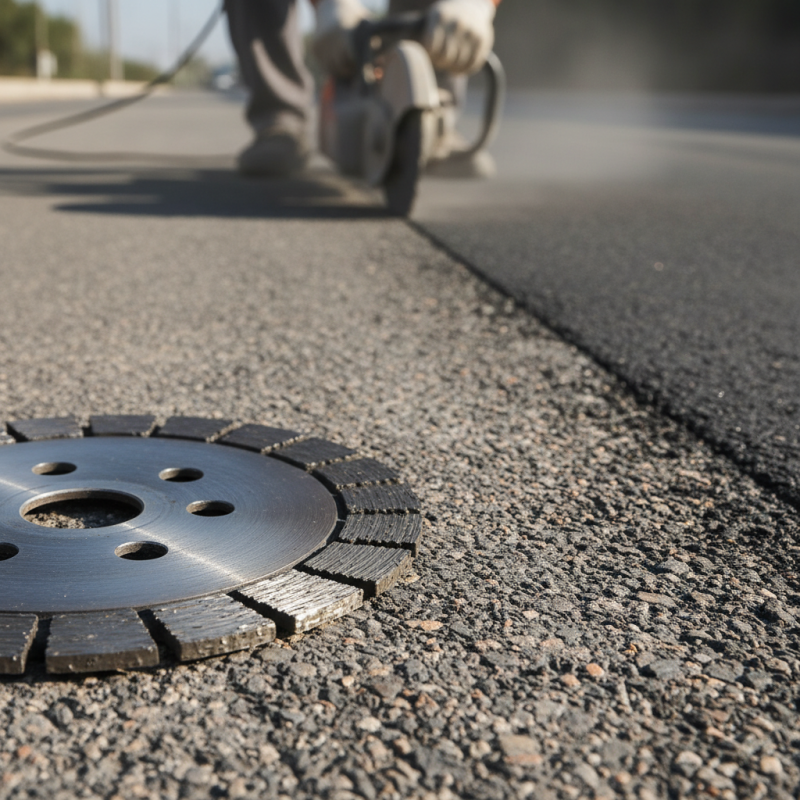
Understanding Asphalt Diamond Blades: Types and Specifications
When selecting an asphalt diamond blade, understanding the different types and specifications is crucial. The market presents a variety of blades, each designed for specific tasks. For instance, segmented blades are ideal for general cutting of asphalt, providing good cooling and efficiency. In contrast, turbo blades offer faster cuts and reduced chipping, making them suitable for high-speed applications. Industry reports suggest that choosing the right type can enhance productivity by up to 30%.
Choosing a diamond blade also involves evaluating specifications like diamond concentration and bond type. Higher diamond concentration usually means better durability. However, too much can lead to a longer cutting time on softer materials. The bond type affects the blade's wear rate and performance. Opting for an inappropriate bond can result in frequent blade changes, impacting project timelines and costs.
Consider these tips: always assess the thickness of the asphalt being cut. A thicker layer demands a more robust blade. Also, test different blades on trial runs. This practical evaluation can reveal which blade performs best for your specific needs. Remember, the right blade not only saves time but also money in the long run.
Key Factors in Selecting the Right Diamond Blade for Asphalt Cutting
When selecting a diamond blade for asphalt cutting, understanding the key factors is essential. The type of bond used in the blade influences its performance. Softer bonds work well for softer materials like asphalt, while harder bonds are better for tougher surfaces. According to industry reports, the right bond can increase blade lifespan by up to 30%.
Tip: Always match the bond type to the material. It helps ensure efficient cutting and reduces wear. Blade diameter is another critical factor. Larger blades can provide smoother cuts over wider surfaces. However, they may be less maneuverable on tighter jobs.
Tip: Choose a size that fits the project requirements. Additionally, the diamond concentration affects cutting ability. Higher diamond concentrations lead to better performance and durability. Maintaining your blade with proper cooling tactics can also prevent overheating, reducing the risk of premature wear. Remember, even a top-quality blade can underperform without appropriate use.
Tip: Always consider your cutting environment. Adjusting to variable conditions can make a significant difference. Taking time to evaluate these factors could lead to more successful projects and better outcomes.
Top 10 Factors in Selecting the Right Diamond Blade for Asphalt Cutting
Industry Standards: Assessing Quality and Performance Ratings
When selecting an asphalt diamond blade, understanding industry standards is crucial for quality and performance. Look for blades that meet recognized specifications. Check for certifications that indicate durability and cutting efficiency. A blade that adheres to industry standards ensures reliability in various applications. Such blades are often tested for performance, revealing their ability to withstand tough conditions.
Consider performance ratings that reflect real-world usage. Many manufacturers provide detailed information on cutting speed, life span, and material compatibility. Ratings based on user feedback can provide insights into longevity and effectiveness. Users often report the differences in wear and tear between various models. It’s necessary to consult reviews, as they reveal the strengths and weaknesses of blades available in the market.
Quality isn’t always about price. Some cost-effective options outperform pricier counterparts. Assessing feedback is essential. Understand what works best for your specific needs. Sometimes, a high-priced blade may not deliver the expected results. Be open to experimenting with different options. This approach can lead to discovering the perfect blade for your projects. Always prioritize findings from credible sources over marketing claims.
Analyzing the Cost vs. Lifespan of Asphalt Diamond Blades
When selecting an asphalt diamond blade, understanding the relationship between cost and lifespan is vital. A higher price tag usually indicates better quality and longevity. However, it’s important to assess whether the extra cost justifies the benefits. Some blades may offer impressive lifespans, but if they come with a high upfront cost, the investment may not always be practical for smaller projects. Analyzing the total cost of ownership, including how many jobs you can complete with one blade, can provide clearer insights.
Lifespan can be influenced by various factors. The hardness of the asphalt you’re cutting plays a significant role. Softer asphalt may allow for longer blade life, while dense materials could wear down blades faster. Even top-tier blades require careful handling to maximize their usefulness. Regular maintenance, such as cleaning and proper storage, can extend their life. Ultimately, making an informed choice means balancing immediate costs with potential long-term savings from increased durability. It’s essential to consider the unique demands of your projects when making this decision.
Safety Precautions and Best Practices for Using Diamond Blades
When using diamond blades, safety should be a top priority. The Occupational Safety and Health Administration (OSHA) states that improper use of tools can lead to serious injuries. Always wear appropriate personal protective equipment (PPE), including safety glasses and gloves. Dust masks can help reduce exposure to harmful particles produced during cutting.
Regular inspection of your diamond blade is crucial. Replace blades that show signs of wear or damage. According to a recent industry report, nearly 30% of accidents are linked to using blunt or worn-out blades. Ensuring your tools are in top condition can significantly reduce risks.
Utilizing a water source can minimize dust and cool the blade during use. This practice reduces the chances of overheating, which can lead to blade failure. Always follow manufacturer guidelines for blade specifications and cutting techniques. Many inexperienced users underestimate the importance of these instructions. Improper techniques can not only cause inefficiency but may also pose safety hazards.
Top 10 Tips for Choosing the Best Asphalt Diamond Blade
| Tip Number | Tip Title | Description |
| 1 | Know Your Material | Understand the type of asphalt you will be cutting to select a blade suited for it. |
| 2 | Choose the Right Diameter | Select a blade diameter that fits your saw for optimal performance. |
| 3 | Consider Blade Thickness | Thicker blades provide durability, while thinner blades offer faster cuts. |
| 4 | Choose the Right Segment Height | Higher segments enhance cutting efficiency in tough materials. |
| 5 | Check the Bond Type | Select a bond that matches the hardness of the asphalt type. |
| 6 | Review Maximum RPM | Ensure the blade’s RPM rating matches your saw’s specifications. |
| 7 | Evaluate Dust Control Features | Opt for blades designed to minimize dust production for safety. |
| 8 | Read Reviews and Ratings | Look for user feedback on performance and reliability. |
| 9 | Consider Price vs. Performance | Balance your budget with the blade’s expected lifespan and effectiveness. |
| 10 | Follow Safety Precautions | Always use safety gear and follow operational guidelines when using diamond blades. |