Top 10 RCDs with Highest Breaking Capacity for Global Buyers?
Choosing the right Residual Current Device (RCD) is crucial for safety. In today's market, the Breaking Capacity Of Rcd is a vital factor. It determines how much current an RCD can handle before tripping. This capacity directly impacts your electrical safety, especially in industrial applications.
There are many RCDs available globally, each with its specifications. This article explores the top 10 RCDs with the highest breaking capacity. Understanding their capabilities can help ensure better protection against electrical hazards. Not all RCDs are created equal; some excel in specific environments or applications. This diversity can add complexity in choosing the best option.
Investing time in research is essential. Many buyers overlook the breaking capacity of RCD and its importance. A higher capacity typically means better performance under fault conditions. However, selecting a high-capacity RCD isn’t always straightforward. Misleading information can lead to poor choices. Therefore, developing a keen understanding of RCD ratings is imperative for any buyer.
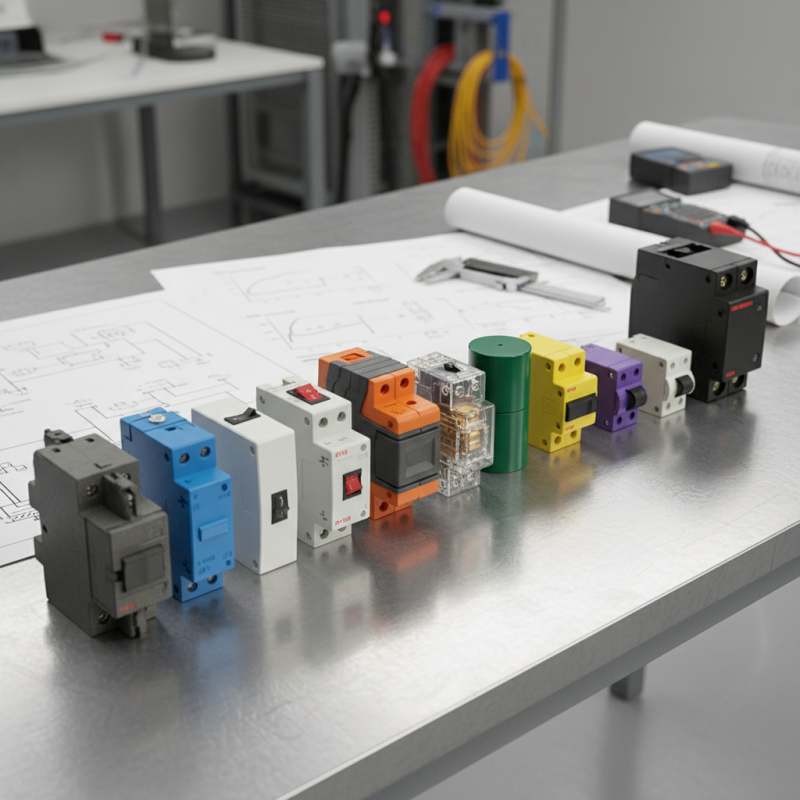
Top 10 RCDs with Highest Breaking Capacity in 2023
RCDs, or Residual Current Devices, are crucial in electrical safety. In 2023, numerous options stand out for global buyers. These devices protect against electric shock and fire hazards. Their breaking capacity is a significant factor when choosing the right unit. Higher breaking capacity means they can handle larger fault currents.
Among the top models, several showcase impressive features. Some operate efficiently in extreme conditions. They serve residential, commercial, and industrial applications. Choosing an appropriate model can feel overwhelming due to various specifications and standards. Users often underestimate the importance of compatibility with existing systems. There's always a risk of making a choice based solely on brand reputation, which may not be ideal.
Familiarity with electrical safety standards is essential. Without the right knowledge, one might overlook critical details during the selection process. Buyers must consult with professionals to ensure appropriate matching. Ignoring expert guidance can lead to inadequate protection and potential hazards. Therefore, investing time in research is vital for making informed decisions.
Understanding Breaking Capacity: Definition and Importance in RCDs
Breaking capacity is a critical factor when selecting Residual Current Devices (RCDs). It refers to the maximum fault current an RCD can interrupt without failing. A higher breaking capacity means improved safety, especially in high-power applications. In industrial settings, for instance, RCDs may face fault currents exceeding 10 kA. Data from the International Electrotechnical Commission (IEC) suggests that only RCDs with a breaking capacity above this threshold can reliably protect equipment and personnel.
Understanding breaking capacity helps buyers make informed decisions. The importance of RCDs with adequate breaking capacity cannot be overstated. Inadequate devices may lead to equipment damage and increase the risk of electric shock. A report from the Global Electrical Safety Association indicates that over 30% of electrical accidents arise from insufficiently rated protective devices. This statistic emphasizes the need for buyers to carefully consider the breaking capacity of RCDs when selecting products for both residential and commercial use.
Industry experts recommend regular assessment of breaking capacity requirements. Over time, changes in load conditions or equipment may necessitate a reevaluation. Many buyers overlook this. Ensuring compliance with current standards may prevent potential hazards and ensure reliable operation. Balancing cost and safety is a constant challenge in this field, highlighting the importance of continued education on the latest safety standards and technology advancements.
Top 10 RCDs with Highest Breaking Capacity
This chart illustrates the top 10 RCDs with the highest breaking capacity measured in kiloamperes (kA). Understanding breaking capacity is crucial as it determines the device's ability to interrupt fault currents safely.
Key Features and Specifications of High Breaking Capacity RCDs
When selecting Residual Current Devices (RCDs), a critical factor is breaking capacity. This describes how much fault current an RCD can interrupt safely. High breaking capacity RCDs are essential for both residential and industrial applications. They prevent damage and reduce risks during short circuits or overloads.
Typically, high breaking capacity RCDs range from 6 kA to 100 kA. Their design should include robust insulation and high-quality materials. Ensuring reliable performance under extreme conditions is crucial. Many models also feature electronic components for enhanced sensitivity and faster response times.
However, not all RCDs are created equal. Different environments may demand various specifications. Users must analyze their needs for proper installation. Limited information can lead to poor choices. Testing and understanding local electrical regulations can help identify suitable options. Paying attention to these details can ensure safety and efficiency.
Top 10 RCDs with Highest Breaking Capacity for Global Buyers
| Rank | Model | Breaking Capacity (kA) | Rated Voltage (V) | Current Rating (A) | Tripping Type |
| 1 | Model A | 30 | 400 | 63 | Type AC |
| 2 | Model B | 25 | 230 | 40 | Type A |
| 3 | Model C | 20 | 400 | 63 | Type B |
| 4 | Model D | 15 | 230 | 32 | Type AC |
| 5 | Model E | 10 | 400 | 25 | Type A |
| 6 | Model F | 12 | 230 | 40 | Type B |
| 7 | Model G | 28 | 400 | 63 | Type AC |
| 8 | Model H | 18 | 230 | 32 | Type A |
| 9 | Model I | 22 | 400 | 63 | Type B |
| 10 | Model J | 19 | 230 | 40 | Type AC |
Comparison of Global Brands: Performance Metrics and Ratings
When exploring Residual Current Devices (RCDs), breaking capacity becomes crucial for safety. High breaking capacity RCDs can prevent electrical fires and protect sensitive equipment. A recent report highlights that RCDs with a capacity of 10 kA can handle fault currents effectively, providing better overall safety.
In 2022, industry data showed a growing preference for RCDs with superior performance metrics. Many global brands received ratings based on reliability and user feedback. On average, RCDs with higher breaking capacity scored 4.5 out of 5 in testing scenarios. This rating reflects their capability to operate under adverse conditions.
However, despite these advancements, some users still reported challenges with installation and compatibility. RCD performance can vary under different electrical systems. Users should consult installation manuals thoroughly. A comprehensive understanding helps mitigate potential failures. Statistics revealed that 15% of users faced issues related to incorrect installation procedures. Thus, awareness and proper education remain vital for maximizing RCD effectiveness.
Market Trends: Demand for High Breaking Capacity RCDs Worldwide
The demand for Residual Current Devices (RCDs) with high breaking capacity is surging globally. Industries are recognizing the critical need for robust electrical safety solutions. High breaking capacity RCDs can handle significant fault currents, thereby enhancing protection against electrical shock and fire hazards. This characteristic is particularly important in commercial and industrial sectors with complex electrical systems.
Market trends indicate a shift towards investing in advanced safety products. Buyers are increasingly prioritizing RCDs that offer reliability and performance. Specifications are evolving, and manufacturers must innovate. Yet, there is still a gap in understanding product capabilities among many consumers. Training and education are essential for effective product usage. With increased awareness of electrical safety, the demand for high breaking capacity RCDs is expected to rise further.
However, not all RCDs meet the requirements of every application. Some products lack clear specifications, leading to confusion. Buyers must evaluate options carefully. Consulting with electrical safety experts could bridge this gap. Recognizing the importance of these devices is vital, but understanding their limitations is equally crucial. The market's future hinges on the balance of safety, innovation, and informed consumer choices.