Top Metal Push Button Switches for Global Buyers?
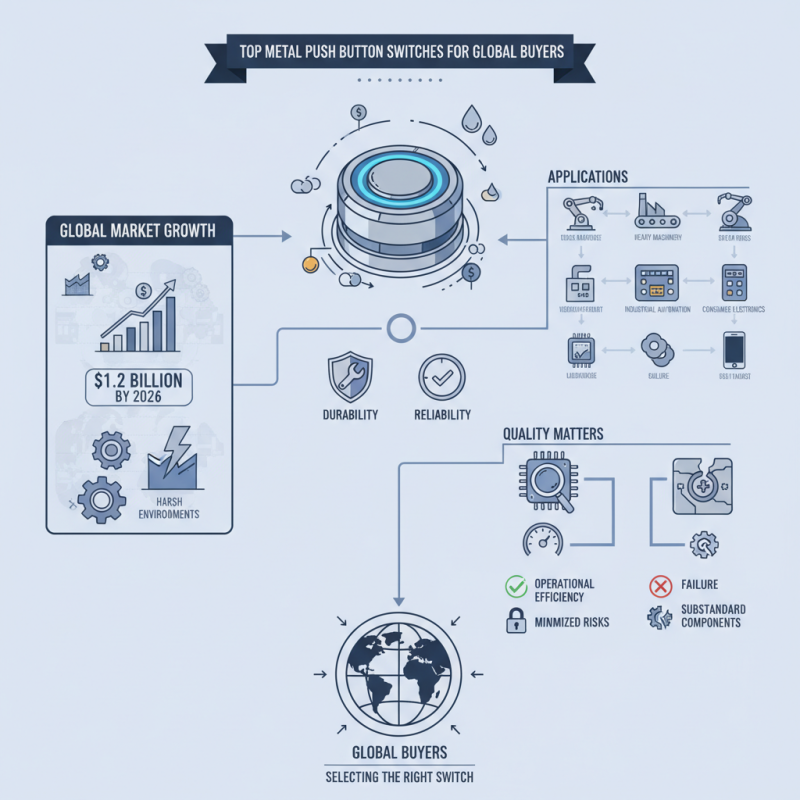
In the growing landscape of industrial automation, the Metal Push Button Switch stands out as a critical component. According to recent industry reports, the global market for push button switches is projected to reach $1.2 billion by 2026. This reflects a burgeoning demand driven by advancements in technology and increasing automation across sectors.
Manufacturers are now focused on durability and reliability. The robust design of Metal Push Button Switches often includes features such as waterproofing and resistance to harsh environments. These factors enhance their appeal for applications ranging from heavy machinery to consumer electronics. Yet, not every switch meets the high standards expected in these markets. Quality variations can lead to failures, which emphasize the need for buyers to conduct thorough evaluations.
Understanding the diverse applications and specifications of Metal Push Button Switches is essential. This understanding ensures that buyers select the right switch for their specific needs. With the right choices, companies can elevate their operational efficiency while minimizing potential risks associated with substandard components.
Overview of Metal Push Button Switches and Their Applications
Metal push button switches are essential components in various applications. These switches provide a tactile feel, making them user-friendly and reliable. Their durability is evident in harsh environments, offering resistance to vibrations and extreme temperatures. Many industries, such as automotive and manufacturing, appreciate their robustness.
These switches serve diverse purposes. For instance, in control panels, they ensure operators can easily engage or disengage machines. In consumer electronics, they enhance product design with a polished look. Additionally, they often come in different sizes and colors, offering customization for specific needs. However, selecting the right type can be challenging due to the multitude of options available.
While metal push button switches are generally reliable, some may face wear over time. Regular testing is necessary to maintain performance. It's essential to inspect for any signs of fatigue or malfunction. Learning from past experiences can improve future selection and application processes. Reliability is crucial, yet not all switches meet the required standards. Careful consideration is necessary when making purchases.
Top Metal Push Button Switches for Global Buyers
| Model | Material | Operating Voltage | Current Rating | Mounting Type | Application |
| PB-1001 | Stainless Steel | 12V DC | 3A | Panel Mount | Industrial Equipment |
| PB-1002 | Aluminum | 24V AC | 5A | Through Hole | Control Panels |
| PB-1003 | Brass | 120V AC | 10A | Surface Mount | Automation Systems |
| PB-1004 | Zinc Alloy | 48V DC | 2A | Snap-in | Medical Devices |
| PB-1005 | Plastic with Metal Finish | 5V DC | 1A | Screw Mount | Consumer Electronics |
Key Features to Look for in Metal Push Button Switches
When selecting metal push button switches, certain key features significantly impact performance and reliability. One essential aspect is material quality. High-grade metals like stainless steel offer durability and resistance to corrosion. A recent industry report indicated that switches made of premium materials can last up to 50% longer than cheaper alternatives. This longevity is crucial in heavy-duty applications where failure can lead to operational downtime.
Another vital feature is the actuation force required. The right force should feel comfortable to the user while ensuring secure activation. Studies suggest that an actuation force between 3-5 Newtons is generally preferred for various applications. This range balances user experience with operational efficacy. Additionally, consider the degree of ingress protection (IP rating). Switches rated IP65 or higher are essential for environments exposed to dust and moisture. According to industry standards, such ratings improve switch reliability by approximately 30% in harsh conditions.
Finally, the switch's aesthetic design may influence buyer decisions, especially in consumer-facing applications. A modern, appealing design can enhance user interaction. However, aesthetics must not compromise functionality. Balancing these elements can be challenging, highlighting the need for careful consideration during the selection process. Understanding these key features enables buyers to make informed choices that align with their operational needs.
Top Brands and Manufacturers of Metal Push Button Switches Worldwide
Metal push button switches are essential components in various industries. They offer durability and reliability under extreme conditions. According to industry reports, the global market for metal push button switches is expected to reach $1.5 billion by 2026, growing at a CAGR of over 6%. This growth is largely driven by advancements in automation and increasing demand for user-friendly interfaces.
Several leading manufacturers are recognized for their innovation. They prioritize quality and performance, ensuring their switches can endure harsh environments. Many metal switches are IP-rated for dust and water resistance, making them ideal for outdoor applications. Research indicates that sectors like automotive, manufacturing, and consumer electronics are major contributors to this demand.
Despite the robust market, challenges remain. Some users report difficulties with installation and compatibility. This can lead to increased costs and delays in production. The industry must address these issues to sustain growth. Ensuring compatibility with different systems is crucial for user satisfaction and operational efficiency.
Global Metal Push Button Switch Market Analysis
This chart illustrates the global distribution of metal push button switch demand based on application sectors. The data represents estimated demand in thousands of units for each sector, providing insights into the market trends.
Comparison of Different Types of Metal Push Button Switches
Metal push-button switches are essential components in various applications. Their durability and reliability make them ideal for industrial settings. The choice of metal switch can impact device functionality significantly. A recent industry report highlighted that the market for metal push-button switches is expected to grow at a CAGR of 5.2% from 2023 to 2030.
Different types of metal push-button switches include momentary, latching, and illuminated switches. Momentary switches operate only while pressed, making them perfect for temporary actions. Conversely, latching switches remain in the last activated state, providing a stable on-off function. Illuminated versions offer additional visibility in low-light conditions. It is crucial to choose the right type based on user requirements and operational contexts.
However, not all metal push-button switches are created equal. Variability in manufacturing can lead to inconsistent quality. Some switches might not meet the expected lifespan or performance standards, potentially impacting overall system reliability. Addressing these inconsistencies requires careful selection and testing processes. Understanding the specifications and potential shortcomings helps buyers make informed decisions.
Global Market Trends and Demands for Metal Push Button Switches
The demand for metal push button switches is notable in various global markets. According to industry reports, the market is expected to grow at a CAGR of 5.4% between 2023 and 2030. Regions like North America and Asia Pacific are significant contributors. The automotive and industrial sectors show increasing reliance on durable and aesthetically pleasing switches.
Metal push button switches meet stringent safety and performance standards. Their resistance to corrosion and impact makes them ideal for challenging environments. Recent findings reveal that nearly 40% of manufacturers are prioritizing the adoption of metal switches. However, challenges remain, including the need for enhanced innovations to meet diverse consumer preferences.
As technology evolves, the expectations for these switches are also diversifying. Customers are asking for more customization options and advanced functionalities. This shift is evident as nearly 30% of surveyed manufacturers report increasing demand for smart features integrated into the switches. The balance between traditional designs and modern needs requires ongoing reflection and adaptation from industry players.