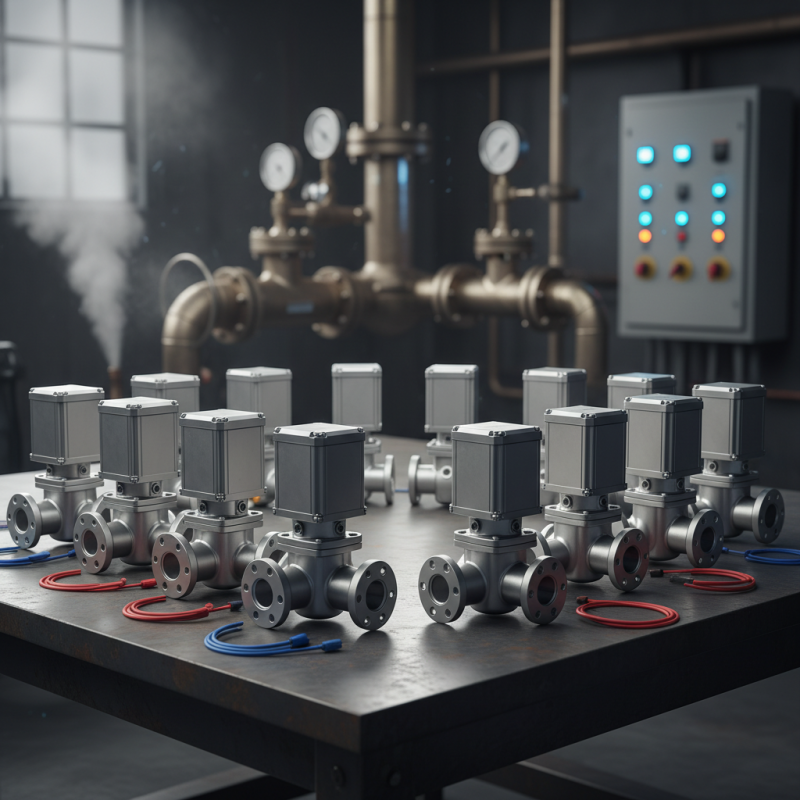
Top 10 High Pressure Electric Ball Valves You Should Consider?
When selecting a High Pressure Electric Ball Valve, understanding its features and benefits is crucial. These valves play a vital role in various industrial applications, offering reliability and efficiency. Their ability to handle high pressure makes them essential in sectors like oil and gas, chemical processing, and water treatment.
Investing in a quality High Pressure Electric Ball Valve can enhance system performance significantly. However, the market offers many options, making it challenging to choose the right one. Each product comes with unique specifications that cater to different needs.
This guide aims to present the top 10 high pressure electric ball valves worth considering. We will highlight crucial aspects, such as durability, cost-effectiveness, and compatibility. While no product is flawless, understanding the strengths and weaknesses can lead to better decision-making.
High Pressure Electric Ball Valves: An Overview of Their Functionality
High pressure electric ball valves are crucial in various industries. Their primary function is to control the flow of liquids and gases under high pressure. According to a report by MarketsandMarkets, the global electric ball valve market is projected to reach $2.2 billion by 2025. This growth reflects an increasing demand for automation and efficiency in industrial operations.
These valves integrate electric actuators for precise control. This technology ensures quick response times, allowing for improved safety and operational precision. Notably, they can operate in extreme environments. A study from Technavio highlights that electric ball valves can maintain pressure ratings of up to 10,000 psi. This makes them suitable for oil and gas applications, as well as chemical processing.
However, while high pressure electric ball valves offer numerous benefits, they are not without concerns. Their installation and maintenance require specialized knowledge. Incorrect setup can lead to failures or leaks, causing significant downtimes. Moreover, the initial investment can be substantial, causing hesitation among smaller operations. Recognizing these challenges is essential for industry stakeholders as they seek effective solutions.
Top 10 High Pressure Electric Ball Valves: Performance Comparison
Benefits of Using High Pressure Electric Ball Valves in Industrial Applications
High pressure electric ball valves are vital in various industrial sectors. They ensure precise control in fluid dynamics. These valves handle pressures exceeding 300 psi, making them suitable for critical applications. Industries like oil and gas utilize these valves for safe and efficient operations. The market research firm Statista reported an increase in demand for electric ball valves by 7% annually. This trend reflects a growing shift toward automation in industrial processes.
Using high pressure electric ball valves offers numerous advantages. They provide quick and reliable actuation. This feature minimizes downtime in production lines. Studies show that automating valve operations can reduce labor costs by up to 30%. Additionally, these valves enhance safety by allowing remote operation. This capability decreases the risk for workers in hazardous environments. Implementing high pressure valves can lead to significant efficiency improvements.
However, challenges exist. Proper installation and regular maintenance are crucial. Neglecting these aspects can compromise valve performance. Companies must train staff to handle these valves effectively. Understanding the technology behind electric actuators is essential for success. The complexity of the systems can be daunting. Yet, with the right knowledge, the benefits far outweigh the challenges.
Top Features to Look for in High Pressure Electric Ball Valves
When selecting high pressure electric ball valves, identifying key features is crucial. One of the most important aspects is durability. Look for valves made from robust materials that can withstand high pressure and harsh conditions. Stainless steel is a common choice due to its corrosion resistance and strength. However, not all stainless steel is created equal.
Another crucial feature to consider is the valve size and flow rate. Improper sizing can lead to inefficient operations. A correctly sized valve ensures optimal flow and pressure management in your systems. Take time to assess your specific requirements. How will the valve fit within your existing setup?
Additionally, control options are essential. Whether you prefer manual, automatic, or remote control, ensure the valve meets your operational needs. Is the control system user-friendly? Accessibility matters. Be sure to inquire about maintenance requirements too. Some valves may seem low maintenance but can accumulate issues over time. Reflect on past experiences with similar equipment to avoid pitfalls.
Comparative Analysis of the Leading Brands and Models in the Market
High pressure electric ball valves are essential in various industrial applications. These valves control the flow of fluids with precision. A comparative analysis reveals significant differences among leading brands and models in the market.
Several industry reports suggest that efficiency can vary by up to 25% across different manufacturers. This discrepancy often results from the materials used and design specifications. For example, some valves show improved sealing capabilities, reducing leakage and maximizing performance. That is crucial in high-pressure systems, where even minor leaks can create safety hazards or operational inefficiencies.
Moreover, durability and maintenance requirements are key factors to consider. Some models require more frequent servicing, which can lead to increased downtime. In contrast, others are designed for long-lasting performance with minimal upkeep. Such details play a vital role in the overall cost-effectiveness of a system. Customers must weigh these elements carefully to ensure they select a valve that meets their specific needs.
Installation and Maintenance Tips for High Pressure Electric Ball Valves
When installing high-pressure electric ball valves, precise alignment is crucial. Misalignment can lead to leaks or early wear. Ensure the valve is level and connected properly to adjacent pipes. Use flanges, gaskets, or bolts to secure the valve in place. It is essential to follow the manufacturer’s specifications during installation. Neglecting these details can lead to operational issues down the line.
Routine maintenance is key to longevity. Regularly check for signs of wear or corrosion. Inspect seals and electrical connections. Be attentive to unusual noises during operation; they may signal a problem. Cleaning the valve is also important. Dust and debris can accumulate, affecting performance. If issues arise, consult with experts or service guides for troubleshooting tips. Learning from mistakes or oversights can lead to improved performance and efficiency.