Top 10 Fixed Wing Drones for Global Buyers to Consider?
The rise of Fixed Wing Drones has transformed various industries worldwide. These aircraft offer unique advantages, such as extensive flight range and efficient energy consumption. Unlike multi-rotor drones, fixed wing drones are designed for long-distance travel and can cover vast areas. Their design allows for stable flight, making them ideal for tasks like mapping and surveying.
In this competitive market, choosing the right fixed wing drone is crucial. With numerous options available, buyers must consider their specific needs. From agricultural monitoring to search and rescue operations, each application requires a tailored approach. The selection process can be overwhelming, but understanding the features and capabilities of different models helps in making informed decisions.
Despite their benefits, fixed wing drones have limitations. They often require more extensive setup time and may be less versatile for smaller, confined spaces. Additionally, regulatory hurdles can complicate their use in certain regions. By addressing these factors, potential buyers can better grasp how to integrate fixed wing drones into their operations effectively.
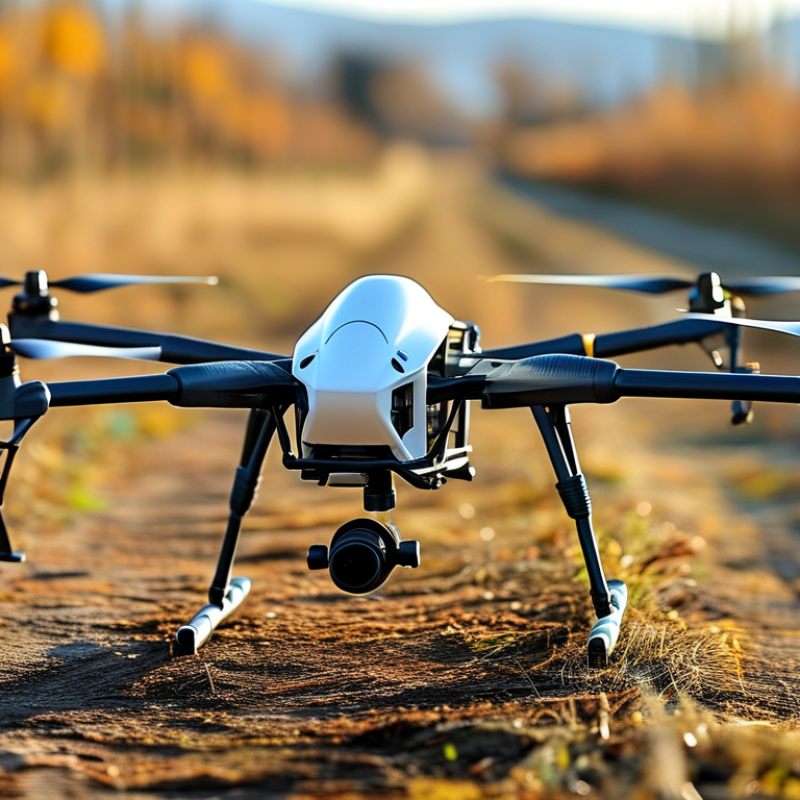
Overview of the Fixed Wing Drone Market for Global Buyers
The fixed-wing drone market is witnessing significant growth, fueled by advancements in technology and a rising demand for aerial solutions. According to a recent market research report, the global fixed-wing drone market is projected to reach approximately $6 billion by 2025, reflecting a compound annual growth rate (CAGR) of around 14%. These drones offer extended flight times and greater efficiency for various applications including agriculture, surveillance, and surveying.
The competitive landscape is evolving. Buyers are looking for reliable performance and cost-effectiveness. Fixed-wing drones typically provide longer flight ranges compared to multirotor models. However, they may require advanced training for operation, creating a gap for some potential users. Many end-users express concerns over the initial investment costs and maintenance requirements. The balance between innovation and usability remains a critical focal point for manufacturers.
Interestingly, regulatory challenges continue to shape the market dynamics. Operators must navigate various restrictions affecting drone deployment in commercial sectors. With ongoing developments in legislation, global buyers may anticipate an evolving regulatory environment that influences purchasing decisions. Ultimately, the fixed-wing drone market is promising yet complex, requiring thoughtful consideration by prospective buyers.
Key Features and Specifications to Look for in Fixed Wing Drones
When considering fixed wing drones, buyers should focus on several key features. First, look for the payload capacity. This determines what equipment the drone can carry. A higher capacity allows for more versatile applications, such as surveillance or mapping.
Battery life is another critical factor. Drones that can fly longer without recharging provide better operational efficiency. Flight range is equally important; drones should cover larger areas in a single flight. This reduces the number of flights needed, saving time and resources.
**Tips:** Check the drone’s endurance specifications. Some models may claim long flight times but may not perform as expected. Consider real-world performance reviews for a clearer picture.
Stability and control are essential for effective operation. Drones with advanced stabilization systems handle unpredictable conditions better. Additionally, assess the ease of use. Intuitive controls can greatly enhance user experience, especially for beginners.
**Tips:** Test different models if possible. Personal experience can highlight the practical differences in handling.
Finally, ensure that the drone has good build quality. A well-constructed drone offers reliability and longevity. Examine the materials used. High-quality construction often reflects a drone's performance in demanding scenarios.
Top 10 Fixed Wing Drones - Key Features and Specifications
This bar chart depicts the flight time specifications for the top 10 fixed-wing drones. It showcases how different models compare in terms of their operational endurance, a crucial factor for potential buyers when selecting a drone for various applications.
Top 10 Fixed Wing Drones: Comparison of Performance and Price
When exploring fixed wing drones, performance and price form a critical consideration. Performance relates to various factors, including flight time, payload capacity, and range. Buyers should pay close attention to these aspects, as they can significantly influence operational efficiency. For example, some drones offer extended flight times, allowing for longer missions without the need for frequent battery replacements.
Price is another pivotal factor. The cost often reflects the drone’s capabilities and features. Budget-friendly options may provide decent performance but lack advanced functionalities. Conversely, higher-priced models often come with enhanced technology, which can justify the cost. It’s essential to consider what features are necessary for specific applications. Not every buyer requires top-of-the-line specifications; understanding one’s needs can lead to better investment decisions.
In the evolving drone market, assessing these elements is crucial. Not all users have the same experience or expertise, which can lead to mismatches between expectations and reality. Some buyers may opt for cost over quality, only to find their choice inadequate for their tasks. Reflecting on one’s unique requirements helps in selecting the most suitable fixed wing drone within budget constraints.
Top 10 Fixed Wing Drones for Global Buyers to Consider
| Model | Wingspan (m) | Max Flight Time (min) | Payload Capacity (kg) | Range (km) | Price (USD) |
| Drone A | 2.5 | 60 | 4 | 20 | 5000 |
| Drone B | 3.0 | 75 | 5 | 25 | 7000 |
| Drone C | 2.0 | 50 | 3 | 15 | 3000 |
| Drone D | 3.5 | 90 | 7 | 30 | 8000 |
| Drone E | 2.8 | 55 | 4.5 | 22 | 6000 |
User Reviews and Ratings: Insights on the Best Fixed Wing Drones
In recent years, fixed-wing drones have gained popularity for various applications, from agriculture to surveying. They are known for their longer flight times and greater range compared to multi-rotor drones. According to the 2023 Drone Industry Report, the fixed-wing drone market is expected to grow by 18% annually, attracting global buyers looking for efficiency.
User reviews play a vital role in assessing fixed-wing drones. Many users highlight the importance of endurance and payload capacity in their evaluations. For instance, drones with longer battery life often receive higher ratings. However, some users noted challenges in setup and calibration, pointing to a learning curve that can be frustrating. Paying attention to these insights can help buyers make informed decisions.
Tip: Before purchasing, read multiple user reviews. Look for common themes regarding ease of use and support services. Additionally, consider the specific requirements of your projects. Sometimes, a drone with fewer features might offer the best reliability for your needs. Another consideration is maintenance; easier to maintain models generally receive better long-term satisfaction ratings. Examining both user feedback and product specifications can guide you in choosing the best fixed-wing drone for your requirements.
Future Trends in Fixed Wing Drone Technology and Usage
The landscape of fixed wing drone technology is evolving rapidly. Advanced capabilities are enhancing how these drones are used across various industries. Users can now expect better endurance, improved payload capacity, and enhanced navigation systems.
A key trend is the shift toward automation. Drones are now equipped with smarter AI solutions. These systems allow for autonomous flight and real-time data processing. Users must consider the reliability of these technologies. Unexpected malfunctions can lead to significant issues during critical operations.
Tip: Regular maintenance and software updates are essential. This ensures drones perform optimally.
Another growing trend is the integration of drones with other technologies. For example, combining drones with IoT devices creates a more interconnected operational network. This allows for better data collection and analysis. However, users need to be cautious about data security risks.
Tip: Always implement strong cybersecurity measures. This protects sensitive information and operational efficiency.
As the technology matures, understanding these future trends will be vital. The possibilities are exciting, yet grounding our approach will help in leveraging fixed wing drones effectively.