
- Home
- News
Top 10 Electric Charging Station Business Opportunities?
The growth of the Electric Charging Station Business is transforming the transportation sector. According to a report from the International Energy Agency, the number of electric vehicles (EVs) on the road is projected to reach 230 million by 2030. This surge in EV adoption creates a significant demand for charging infrastructure.
Recent studies indicate that the global electric vehicle charging station market will grow at a compound annual growth rate of 34.6% through 2027. This shift provides new business opportunities for entrepreneurs. Companies can capitalize on varying customer needs, such as fast-charging solutions and convenience-based services.
However, the industry faces challenges. Many charging stations are not yet cost-effective, and competition is increasing. Firms entering this market must navigate regulatory hurdles and invest in technology. The evolving landscape demands continuous adaptation and innovation. Exploring the top business opportunities within this sector might lead to remarkable insights and solutions.
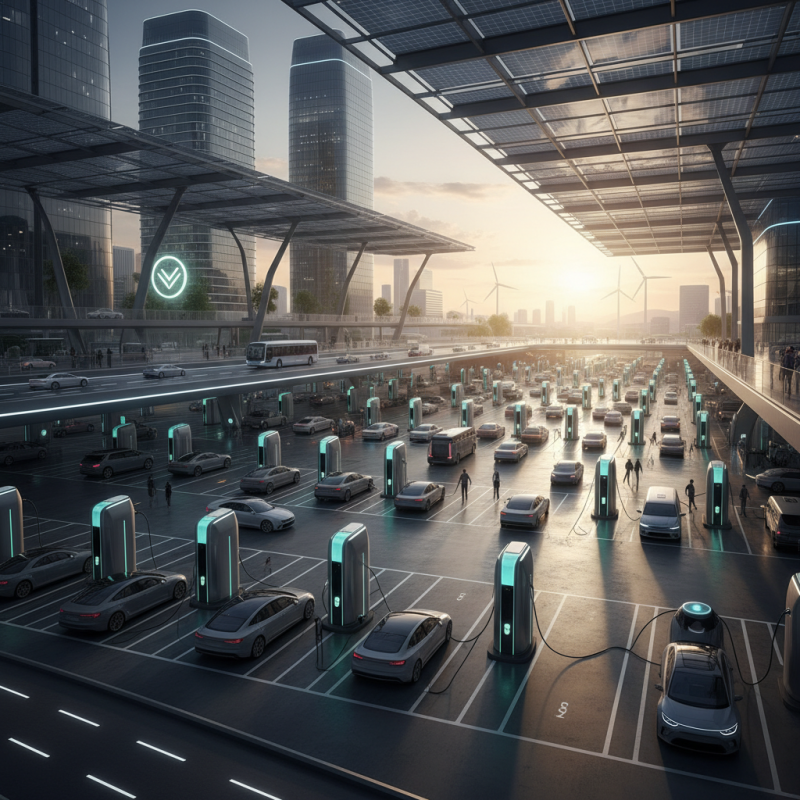
Identifying Key Markets for Electric Charging Stations
Identifying key markets for electric charging stations involves understanding demographic trends and infrastructure needs. Urban areas show a growing demand for charging solutions, as they have higher concentrations of electric vehicles (EVs). Major cities often lack adequate charging infrastructure, creating opportunities for new stations. High-traffic locations like shopping malls and parking garages can capture significant foot traffic.
Suburban areas also represent untapped potential. As more residents shift to EVs, these regions will require reliable charging solutions. Community engagement is essential here. Local governments and businesses can collaborate to develop accessible charging networks. Identifying potential partnerships may enhance visibility and utilization of these stations.
Another intriguing market is along highways. Drivers on long trips seek fast charging options. Establishing stations in rural areas can reduce range anxiety for EV owners. However, these markets may face challenges, such as lower population density and initial investment costs. Rigorous assessments are necessary to consider the viability of such locations. Engaging with local stakeholders can provide valuable insights into the specific needs of these communities.
Understanding the Different Types of Charging Station Businesses
As electric vehicle (EV) adoption rises, various charging station business opportunities emerge. Understanding the different types of charging station businesses is crucial for investors. Level 2 chargers are common in residential areas. They offer reasonable charging speeds, attracting homeowners and apartment complexes. Fast chargers, on the other hand, serve public spaces, enabling quick stops for EV drivers. According to a report by the International Energy Agency (IEA), there were over 1.3 million public charging points globally as of 2021.
Another opportunity lies in the installation of charging stations at workplaces. This can enhance employee satisfaction and promote a green image for the company. A survey by the American Automobile Association (AAA) indicates that more than 70% of respondents would prefer to charge their vehicle at work if facilities are available. The revenue potential from workplace charging can be significant, especially in urban areas where commuters seek convenience.
Tips: Ensure you research local regulations before starting. Local government incentives may also support your business. Understand the competition in your area. Insights into current market trends can guide your strategy. Pricing models must be clear to your customers. Moreover, consider that not all EV owners are familiar with charging options, and educating them can enhance your reputation.
Top 10 Electric Charging Station Business Opportunities
| Opportunity Type | Description | Estimated Startup Cost | Potential Revenue | Key Considerations |
|---|---|---|---|---|
| Public Charging Stations | Stations open to the public, typically installed in parking lots or garages. | $50,000 - $100,000 | $10,000 - $50,000 annually | Location, electricity costs, user demand. |
| Home Charging Installation | Providing installation services for residential electric vehicle chargers. | $1,000 - $5,000 | $50 - $200 per installation | Market competition, skilled labor availability. |
| Fleet Charging Solutions | Charging stations tailored for electric vehicle fleets, like buses and delivery vans. | $100,000 - $500,000 | $50,000 - $200,000 annually | Volume contracts, technology integration. |
| Fast Charging Stations | High-power charging stations that reduce charging time significantly. | $100,000 - $300,000 | $20,000 - $75,000 annually | Installation site, electrical upgrades needed. |
| Charging as a Service (CaaS) | Subscription-based model offering access to charging stations. | Varies by fleet size | Recurring revenue with potential for high margins | Customer acquisition, tech support. |
| In-Wall Charging Solutions | Developing integrated charging solutions built into walls for residential or commercial use. | $20,000 - $80,000 | $5,000 - $30,000 | Design challenges, regulatory issues. |
| Mobile Charging Services | Providing on-the-go charging through mobile units. | $10,000 - $50,000 | $20,000 - $100,000 annually | Vehicle maintenance, operational logistics. |
| Renewable Energy Charging Stations | Charging stations powered by solar or wind energy. | $150,000 - $400,000 | $30,000 - $120,000 annually | Initial investment, sustainability focus. |
| Advertising on Charging Stations | Utilizing charging station space for advertising revenue. | $5,000 - $25,000 | $5,000 - $30,000 annually | Regulatory compliance, negotiation skills. |
Evaluating Costs and Investments for Charging Station Setup
The electric vehicle (EV) charging station market presents significant business opportunities. Setting up a charging station requires careful evaluation of costs and investments. According to a report from the International Energy Agency, the global charging infrastructure will need an investment of around $95 billion by 2030 to meet growing demand.
Initial costs for establishing a charging station can vary. A Level 2 charging station may require an investment ranging from $2,000 to $20,000, including installation. Fast chargers can exceed $100,000. These figures underscore the need for detailed financial planning. Location is crucial; charging stations near busy areas attract more customers. Data from the U.S. Department of Energy shows that strategic placement increases usage by up to 50%.
Future benefits may offset the initial expenditures. By 2025, it is projected that there will be over 7 million EVs on U.S. roads. Increased EV adoption will likely boost charging station revenue. However, the long payback period might pose challenges, requiring careful market analysis. Investing in renewable energy sources can help reduce operational costs, but it also demands upfront capital investment. Balancing these factors is essential for sustainable success in this evolving sector.
Exploring Partnerships with Auto Manufacturers and Local Governments
Establishing partnerships is crucial for electric charging station businesses. Collaborating with auto manufacturers can provide access to valuable technology and resources. These partnerships can enhance the efficiency of charging stations and appeal to more customers. For instance, manufacturers might offer insights on optimal charging speeds and user interfaces, improving the overall experience.
Local governments present unique opportunities. They often seek to promote sustainability initiatives. By collaborating with local agencies, businesses can secure funding or incentives. It’s essential to understand regulatory requirements and align with community goals. This ensures that the charging stations meet local needs while fostering goodwill. Businesses that prioritize transparency in these partnerships gain trust.
However, not all partnerships will yield expected results. Miscommunication can hinder progress, leading to unmet expectations. Both parties need to maintain open lines of communication. This includes addressing challenges honestly. Identifying potential obstacles early can prevent larger issues down the line. Reflecting on these experiences can guide future collaborations.
Marketing Strategies for Attracting Electric Vehicle Users to Charging Stations
Attracting electric vehicle (EV) users to charging stations requires effective marketing strategies. Start by emphasizing convenience. Location is key. Stations placed near popular destinations or essential services can grab attention. Utilize signs and digital maps to increase visibility. Consider unique services that enhance user experience. Fast charging options or loyalty programs can make a difference.
Engagement is crucial. Use social media platforms to create awareness. Share user testimonials and experiences to build trust. Offer promotions or discounts to first-time users. Collaborating with local businesses can also draw customers. For example, partnerships with cafes or shopping centers can yield mutual benefits. Advertisements should focus on sustainability. Highlight the environmental advantages of using EVs and charging stations.
Remember that not every tactic will succeed. Experimentation is vital. Measure the effectiveness of various campaigns. Adjust strategies based on user feedback. Understand the importance of community involvement. Being a part of the local ecosystem can enhance reputation. Offering workshops or events can educate residents about EV benefits. This builds a strong, reliable presence in the community.