Top 10 CO Alarms for Global Buyers in China What to Choose?
When it comes to home safety, a reliable CO alarm is essential. Carbon monoxide is a silent threat. It is colorless and odorless, making it difficult to detect without a proper alarm. Selecting the best CO alarm can be overwhelming. There are many options available for global buyers in China. Each product comes with various features and reliability levels.
Understanding the key attributes of CO alarms can guide your purchasing decision. Look for alarms with proven performance and compliance with safety standards. It is also important to consider user-friendly interfaces. Alarms that are easy to understand can ensure prompt action during an emergency. While many brands claim effectiveness, not all deliver. Reliable reviews and recommendations can help you avoid misleading choices.
As we explore the top 10 CO alarms, it’s crucial to highlight the factors that matter most. Detection speed, battery life, and maintenance requirements can vary significantly. Some products are visually appealing but may falter in reliability. Choosing wisely can save lives. Your home deserves the best protection against carbon monoxide. Let’s delve into what to choose to ensure safety for you and your loved ones.
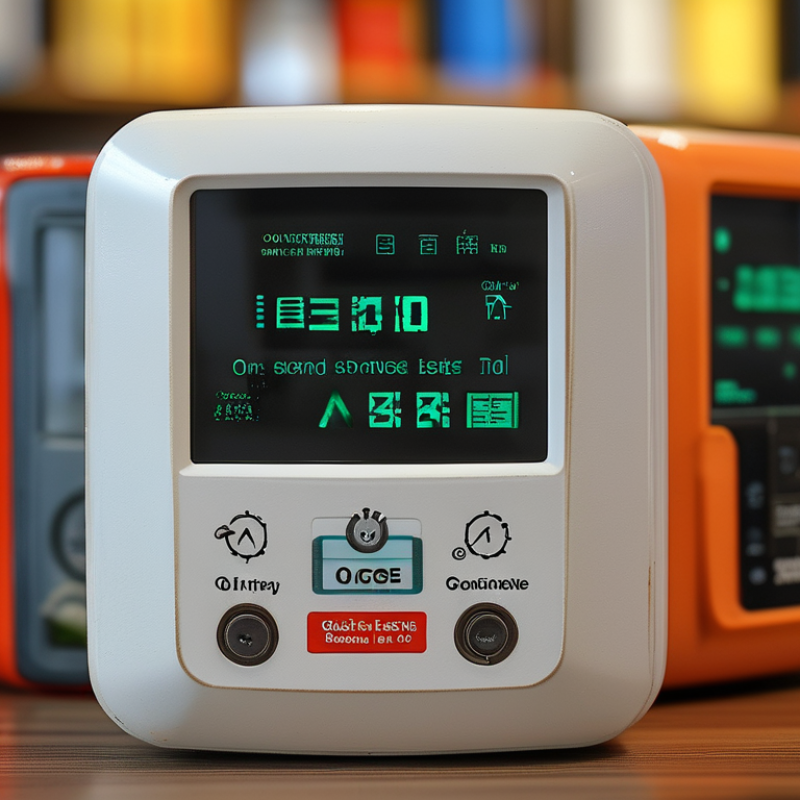
Understanding Carbon Monoxide and Its Dangers
Carbon monoxide (CO) is a colorless and odorless gas that poses significant health risks. According to the World Health Organization (WHO), exposure to carbon monoxide can lead to serious health effects, including brain damage and even fatalities. The Centers for Disease Control and Prevention (CDC) reports that over 400 people die each year in the United States from CO poisoning. This highlights the urgent need for awareness and alarm systems to detect hazardous levels of this dangerous gas.
In homes, the sources of carbon monoxide are common. Gas stoves, water heaters, and fireplaces can emit CO if not properly ventilated. The Environmental Protection Agency (EPA) warns that even a small concentration of CO can be harmful. For example, a level of 70 parts per million can result in headaches and dizziness within a few hours. As CO can accumulate unnoticed, installing reliable alarms can serve as a critical line of defense.
Awareness about CO and its dangers is crucial, especially in regions with high winter heating demands. Many people underestimate the risks. A report from the National Fire Protection Association indicates that only 30% of households have functional CO alarms. This lack of preparedness is concerning. Regular maintenance and testing of these alarms can save lives. Training and education about CO hazards can enhance safety measures for families and communities.
Key Features to Look for in a CO Alarm
When selecting a carbon monoxide (CO) alarm, several key features are essential for ensuring safety. The sensor technology used is crucial. Electrochemical sensors tend to be more accurate and responsive, often recommended for residential use. A 2021 study revealed that alarms equipped with advanced sensors reduce false alarms by up to 30%. This reliability can significantly impact household safety.
Another important feature is the response time. The best CO alarms typically respond within 60 seconds or less. This rapid detection can be life-saving. Additionally, consider the display options. Some alarms offer digital readouts of CO levels, while others may have simple LED indicators. Having access to precise data can help users react appropriately in emergencies. It's also necessary to think about battery life. Leading reports suggest that alarms with long-life batteries can save hassle, reducing the need for frequent replacements.
Regular maintenance and testing of the alarms are often overlooked. A 2020 survey indicated that over 25% of households do not test their CO alarms regularly. This negligence can lead to potential risks. Not all alarms feature self-test functions, so users should ensure they manually check theirs every month. Reliability often hinges on consistent care and understanding the technology used in alarms.
Top 10 CO Alarms Recommended for Buyers in China
Choosing the right carbon monoxide (CO) alarm is crucial for safety. Buyers in China must navigate a vast market. Various models and features are available, which can make the decision process overwhelming. Knowledge of CO alarms helps buyers make more informed choices.
Look for alarms with features like real-time monitoring and a clear display. Some models offer voice alerts, which can be more effective in emergencies. Additionally, consider alarms that combine CO detection with smoke detection for enhanced safety. Installation and maintenance requirements vary, and it's essential to check these before making a purchase. Many users overlook proper placement, and this can lead to ineffective monitoring.
Researching customer reviews provides insight into reliability and performance. Some devices may not function as expected over time. It's wise to read both positive and negative feedback before choosing. Understanding warranty policies also adds a layer of security in case of malfunction. While the market offers many options, equipping your home with a reliable CO alarm is vital for peace of mind.
Comparative Analysis of CO Alarms: Price and Quality
When choosing carbon monoxide (CO) alarms, price and quality are crucial factors. According to industry reports, the average cost of a reliable CO alarm ranges from $30 to $150. This price variation often reflects differences in technology and features. Basic models detect CO at a set threshold, while advanced units offer smart technology, voice alerts, and connectivity options. However, higher cost doesn’t always guarantee better safety.
A study revealed that 25% of households possess CO alarms that do not meet safety standards. Many consumers opt for cheaper options, sacrificing reliability for cost. Low-quality alarms may fail to respond promptly to CO levels. It's essential to examine product reviews and certifications when making a decision. A reliable CO alarm should ideally pass rigorous testing from recognized safety organizations.
In the current market, roughly 40% of CO alarms lack sufficient battery life. Some models need frequent replacements, leading to potential gaps in safety. Therefore, invest in alarms that provide low battery notifications or long-lasting battery options. While price should not be the only consideration, evaluating both price and quality can lead to better choices for safety.
Installation and Maintenance Tips for CO Alarms
When it comes to installing CO alarms, placement is key. According to the National Fire Protection Association (NFPA), about 75% of CO incidents occur in homes without working alarms. Install alarms near sleeping areas and on every level of your home. This increases detection responsiveness, leveraging the average detection time of 4 to 15 minutes. Make sure to follow the manufacturer's instructions carefully.
Regular maintenance is equally important. Experts recommend testing alarms at least once a month. Over 40% of home CO alarm failures arise from lack of maintenance. Replace batteries annually and replace devices every 5-7 years. Additionally, be mindful of any irregular noises. Continuous chirping may indicate low battery or malfunction. Ensuring reliability can save lives, especially in homes with high risk factors such as poor ventilation or fuel-burning appliances.
Engaging with new technology can be beneficial. Smart CO alarms offer real-time notifications to your phone. This capability can enhance response times. However, it's essential to verify the legitimacy of any product before purchase. Researching reviews and obtaining data from reliable sources ensures you choose a dependable alarm. Balancing technology with traditional methods may provide a well-rounded approach to safety.