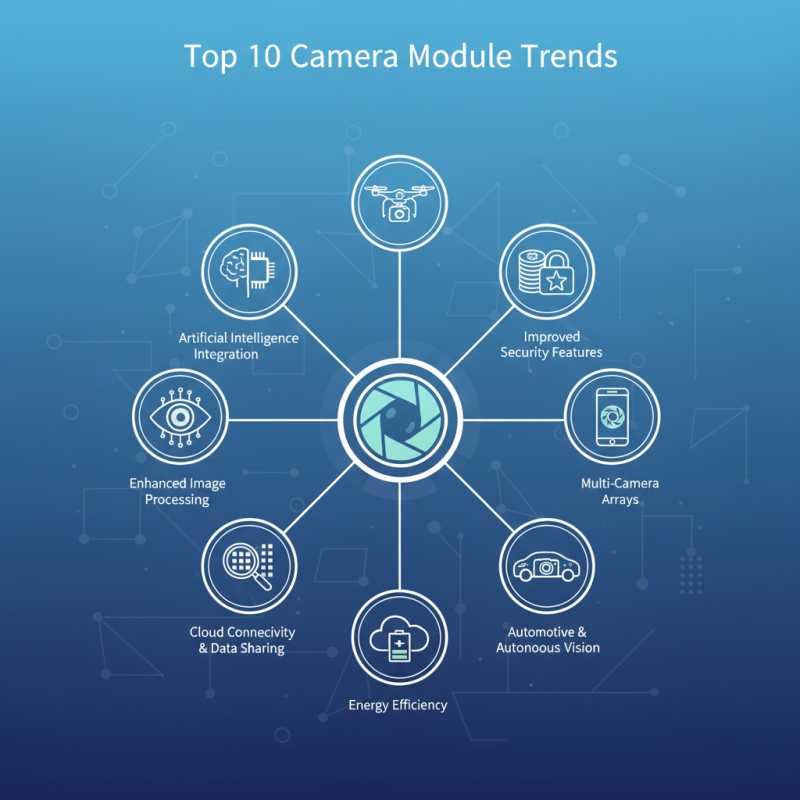
Top 10 Camera Module Trends You Should Know About?
In the ever-evolving world of technology, the importance of camera modules cannot be understated. They are vital components in smartphones, security systems, and even drones. As we advance into 2024, several trends are reshaping the landscape of camera modules. Understanding these trends is crucial for manufacturers and consumers alike.
camera modules are becoming more sophisticated. Enhanced image processing capabilities are making them more efficient. Features like artificial intelligence are enabling smarter photography experiences. However, challenges remain. For instance, consumers often face the dilemma of quality versus cost. This complicates the decision-making process when choosing a device.
As we explore the top ten trends, it's important to reflect on their implications. The rapid advancements may promise better performance, yet they also raise questions about reliability and longevity. Ensuring that camera modules meet consumer expectations is essential for manufacturers. This balancing act will define the future of photography and image capture.
Emergence of AI-Integrated Camera Modules in Consumer Electronics
The emergence of AI-integrated camera modules in consumer electronics marks a significant turning point. These modules enhance image processing capabilities, making devices smarter. Users can now enjoy features like real-time scene recognition and enhanced low-light performance. This integration changes how we interact with our devices.
AI systems within camera modules analyze photos instantly. They adjust settings based on the environment, improving user experience. This technology not only boosts clarity but also identifies subjects. However, the reliance on AI raises questions. Will users lose the ability to manually adjust settings?
User privacy is another concern. With advanced analytics, data collection becomes more invasive. Manufacturers must ensure transparency in how data is used. Striking a balance between convenience and privacy is essential. As we embrace these innovations, we need thoughtful discussions about their implications.
Advancements in Low-Light Performance and Image Quality Technologies
Advancements in low-light performance and image quality technologies are reshaping the camera module landscape. Recent studies indicate that nearly 70% of consumers prioritize low-light capabilities when choosing smartphones. With the introduction of larger sensors and enhanced pixel technology, manufacturers can capture clearer images in dim conditions. Improved algorithms also play a crucial role in reducing noise and enhancing detail.
As reported in a recent market research initiative, the global demand for enhanced imaging technology is expected to grow by over 15% annually through 2025. The rise of computational photography and AI-driven enhancements are pivotal. For example, combining AI with HDR processing significantly boosts dynamic range in challenging environments. However, some manufacturers struggle with the balance between low-light performance and battery consumption.
Industry experts are aware of the challenges ahead. Although advancements are rapid, achieving consistent quality across different scenarios remains a goal. Missteps in color accuracy and image stabilization can hinder progress. As a result, ongoing research and feedback loops are essential in refining these technologies. The potential for improvement exists, but the journey is fraught with technical challenges.
Top 10 Camera Module Trends You Should Know About
This chart illustrates the popularity of various trends in camera modules, emphasizing advancements in low-light performance and image quality technologies. Notable trends include 4K/8K video capabilities and enhanced autofocus systems, reflecting their growing importance in modern camera solutions.
Shift Towards Compact and Lightweight Camera Designs for Mobile Devices
The trend of compact and lightweight camera designs is reshaping the mobile device landscape. Consumers now prioritize portability while maintaining high-quality imaging capabilities. This shift is largely driven by the demand for more functional smartphones and tablets that easily fit in pockets and bags. As engineers focus on miniaturization, new technologies like improved sensor designs and lens engineering play critical roles.
Tips: When selecting a mobile device, consider how the camera design suits your usage. A lightweight camera module enhances mobility but may have trade-offs in advanced features.
Designers and manufacturers face challenges. Creating compact modules without compromising performance is complex. Sometimes, the smallest cameras yield surprising results, but reliability may still suffer. Users should remain aware of potential limitations.
Understanding these trends can significantly impact your choice of mobile technology. Keep an eye on upcoming innovations that blend size with functionality. These developments promise to transform photography experiences in mobile devices.
Growing Demand for High-Resolution Sensors in Automotive Applications
The automotive industry is witnessing a significant shift towards high-resolution camera sensors. These sensors provide clearer images for various applications, including advanced driver assistance systems (ADAS) and autonomous vehicles. With the increasing emphasis on safety, manufacturers are prioritizing the integration of high-definition cameras in their designs.
The demand for these sensors is largely driven by consumer expectations. People seek enhanced features, such as better image quality for night vision and improved object detection. High-resolution cameras can capture more details, allowing systems to make better decisions. However, the complexity of implementing these systems is a challenge. Engineers must ensure that the cameras function seamlessly under diverse conditions. This requires rigorous testing and continuous improvement.
Moreover, while high-resolution sensors offer numerous benefits, they also come with increased costs and data processing needs. This can lead to delays in development timelines, posing a dilemma for manufacturers. Striking a balance between cutting-edge technology and practical implementation remains an ongoing challenge in the automotive sector.
Top 10 Camera Module Trends You Should Know About
| Trend | Description | Application Area | Projected Growth (%) |
| High-Resolution Sensors | Increased pixel count for better image quality. | Automotive Safety Systems | 25% |
| Advanced Image Processing | Utilization of AI algorithms for real-time image enhancement. | Driver Assistance Systems | 20% |
| Miniaturization | Smaller camera modules without compromising performance. | Space-Constrained Applications | 30% |
| Enhanced Low-Light Performance | Improving image capture in dark conditions. | Night Vision Systems | 15% |
| Integration of LIDAR | Combining camera and LIDAR data for better perception. | Autonomous Vehicles | 35% |
| Wide-Angle Lenses | Increasing field of view for situational awareness. | Surveillance and Monitoring | 18% |
| Smart Imaging Technologies | Automated image analysis using deep learning. | Traffic Management | 22% |
| 360-Degree Cameras | Complete surround view for enhanced awareness. | Advanced Parking Solutions | 28% |
| Thermal Imaging | Capturing heat signatures for various applications. | Emergency Response | 24% |
| Multispectral Imaging | Collecting data across different wavelengths for analysis. | Environmental Monitoring | 19% |
Impact of 5G Connectivity on Camera Module Functionality and Usage
The evolution of camera modules is closely tied to the advancements in 5G connectivity. With faster and more reliable data transmission, camera modules can now perform functions that were previously challenging. For instance, real-time video streaming has become more robust. This opens doors for applications in security, telemedicine, and live events. Users can share high-definition videos instantly, enhancing communication capabilities.
5G networks dramatically increase the possibilities of cloud-based processing for camera inputs. This means that even small camera modules can utilize powerful algorithms to enhance image quality. However, the reliance on cloud technology also raises concerns. What happens if the internet connection drops? Users may face delays or quality issues. Additionally, not every location has reliable 5G coverage yet. As camera modules integrate more features, they may become less user-friendly.
Moreover, increased data usage may lead to security vulnerabilities. If camera data is processed in the cloud, it becomes a target for cyber threats. Users must weigh the benefits of advanced functionalities against potential risks. Striking a balance between innovation and security is crucial as we embrace these new technologies. 5G connectivity reshapes how we view and utilize camera modules, but careful consideration is necessary.