Top 10 Battery Connector Types You Need to Know?
Understanding Battery Connectors is crucial for anyone working with electronics. These connectors play a vital role in transferring power efficiently and safely. With various types of battery connectors available, knowing the right one for your project can make a significant difference.
Different applications require specific connectors to ensure compatibility and safety. For instance, hobbyist projects might use simple connectors, while professional setups often demand more complex types. It is important to recognize the design and specifications of each connector type. A mismatch can lead to failures or even hazards.
As the industry evolves, new battery connector types emerge. Keeping up with these changes can be challenging. It’s essential to stay informed about the latest advancements in this technology. By doing so, you can make better choices for your projects. Ultimately, selecting the right battery connector enhances the performance and longevity of your electronic devices.
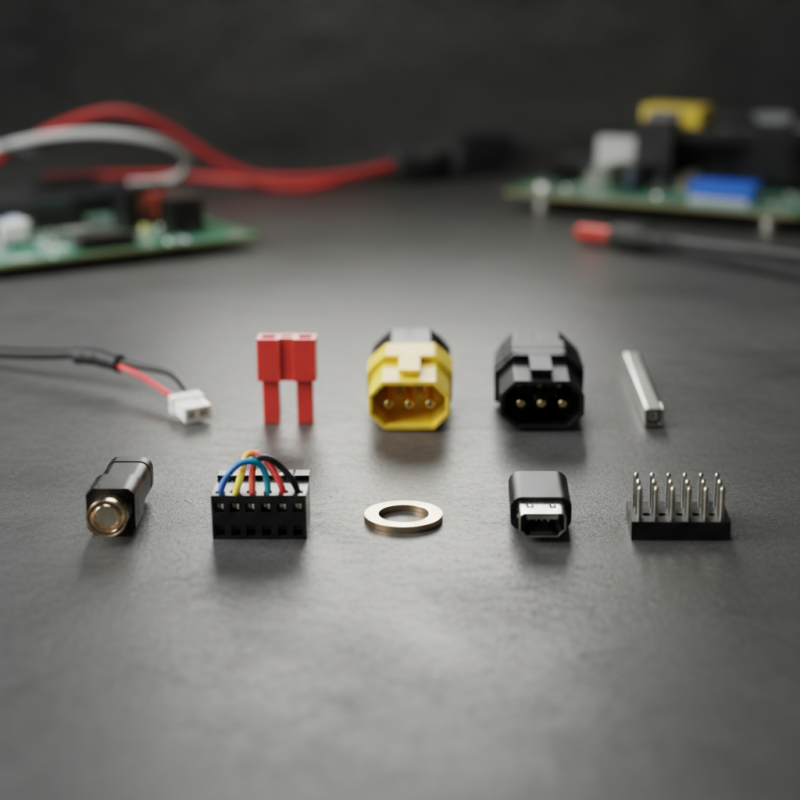
Overview of Battery Connector Types and Their Applications
Battery connectors play a crucial role in electrical connections for various applications. There are several types, each designed for specific requirements. Understanding these connectors helps in choosing the right one for your project. Common types include bullet connectors, spade connectors, and Anderson connectors. These are widely used in automotive, marine, and industrial applications.
Bullet connectors are favored for their simple push-on design. They allow for easy assembly and disassembly. Spade connectors, with their forked shape, are easy to connect and disconnect. They provide reliable connections in tight spaces. Anderson connectors are known for their robust design, ideal for high-current applications. However, they can be bulky and may not fit all setups.
In choosing a connector, consider the application’s voltage and current requirements. Check if the connector is rated for the necessary power levels. Sometimes, the best choice may not be the most popular one. It’s essential to test connections under load conditions to ensure performance. Not all connectors will meet every need, leading to potential failures. Always verify compatibility before using a connector.
Understanding Different Connector Specifications and Standards
When selecting battery connectors, understanding specifications is crucial. Different types vary in voltage, current rating, and size. Proper specifications ensure safety and efficiency in your electrical projects. A mismatch can lead to overheating or device failure.
Among the commonly used standards are Molex and Anderson connectors. Molex connectors are known for their compact size and versatility. They fit a range of applications, from consumer electronics to automotive uses. Anderson connectors, in contrast, excel in high-current applications. Their robust design and secure connections are essential for larger batteries, such as those in electric vehicles.
However, challenges exist in choosing the right connector. Misunderstanding specifications can cause compatibility issues. Users often overlook key details like pin count or locking mechanisms. It’s essential to review your project requirements carefully. Each application might demand a different approach. Moving forward, prioritize learning about connectors’ specifications to make informed choices.
Top 10 Battery Connector Types You Need to Know
| Connector Type | Current Rating (A) | Voltage Rating (V) | Wire Gauge | Application |
| Anderson Powerpole | 45 | 600 | 10-14 AWG | RC Vehicles |
| XT60 | 60 | 14 | 12-16 AWG | Drones |
| Molex | 20 | 250 | 18-24 AWG | Consumer Electronics |
| Deans Connector | 60 | 12 | 14 AWG | RC Models |
| JST | 3 | 250 | 24-28 AWG | Battery Packs |
| Anderson SB | 175 | 600 | 6-10 AWG | Solar Applications |
| Bullet Connector | 10 | 60 | 16-20 AWG | General Purpose |
| Tamiya Connector | 15 | 7.2 | 22 AWG | Hobby Electronics |
| Ring Terminal | 50 | 12 | 8 AWG | Automotive |
| Screw Terminal | 10 | 250 | 18-22 AWG | Electrical Equipment |
Comparison of Popular Battery Connector Types and Their Features
When selecting battery connectors, understanding the types available is crucial. There are several common types, each with its own unique features. For instance, the XT60 connector is known for its excellent current handling. It suits high-discharge applications well. In contrast, the Anderson Powerpole connectors are modular and stackable. They provide versatility in many setups.
Another notable type is the Deans connector, popular for its tight connection. This type minimizes voltage drop and is favored in RC applications. On the other hand, the JST connector is compact. It excels in smaller devices where space is limited. However, many users have noted that the JST's small size can make it harder to handle.
When comparing these connectors, consider your specific needs. High current demands may lead you to prefer XT60. If you need flexibility, Anderson Powerpole might be better. Each type reveals strengths and weaknesses. Pay attention to your application requirements. Learning about connectors helps prevent mistakes in your projects. Making informed choices leads to better performance and reliability.
Best Practices for Choosing the Right Battery Connector
Choosing the right battery connector is crucial for optimal performance and safety. Industry reports show that around 30% of system failures stem from poor connector choices. It's essential to evaluate the ampacity and voltage rating. Connectors lacking this specification can lead to overheating or system malfunctions.
Understanding environmental factors is equally vital. For instance, outdoor applications may require weather-resistant connectors. According to recent studies, weather exposure can degrade connector performance by up to 40%. Always assess the intended application and conditions before making a decision.
Lastly, consider the ease of installation and maintenance. Complex connectors might seem robust but can be a hassle during repairs. Research indicates that simplifying the assembly process can reduce installation errors significantly. Strive for a balance between design innovation and practicality in your connector choices.
Safety Considerations When Using Battery Connectors
When working with battery connectors, safety should always be a priority. Proper handling can prevent accidents and ensure the longevity of the connectors. Always inspect connectors for wear or damage before use. This practice helps identify potential issues that could lead to malfunctions.
Remember that battery voltage can be high. Use insulated tools when connecting or disconnecting battery terminals. This reduces the risk of electrical shock or short circuits. Ensure your work area is dry and free of clutter. Wet or messy conditions can lead to dangerous situations.
Tips: Keep spare connectors on hand. This can save time if a connector fails suddenly. Stay informed about the specific requirements for each connector type you use. Different applications might require different safety precautions. Keeping communication open with colleagues can also help ensure everyone is aware of safety protocols.