Top Agricultural Irrigation Pump Systems for Global Buyers?
In the ever-evolving landscape of agriculture, the demand for efficient Agricultural irrigation pump systems continues to rise. As farmers face climate change and water scarcity, these systems become critical. Dr. Emily Carter, an expert in agricultural technology, emphasizes, “Investing in high-quality irrigation pumps is essential for sustainable farming.” Her insights highlight the significance of modern pump systems in enhancing crop yields.
The global agricultural market requires reliable solutions. Countries are actively seeking innovative pump designs for varied landscapes. From crucial water delivery to energy efficiency, these systems play a vital role. They ensure crops receive adequate moisture while minimizing waste. However, not all systems are equal. The choice often depends on the specific farming needs and regional challenges.
It's important to recognize the gaps in existing infrastructure and technology. Some farmers may struggle with outdated systems, leading to inefficient water use. As the push for improvement continues, awareness of these issues becomes essential. By analyzing top-performing Agricultural irrigation pump systems, buyers can make informed decisions. Investing thoughtfully will support not only their farms but also contribute to global food security.
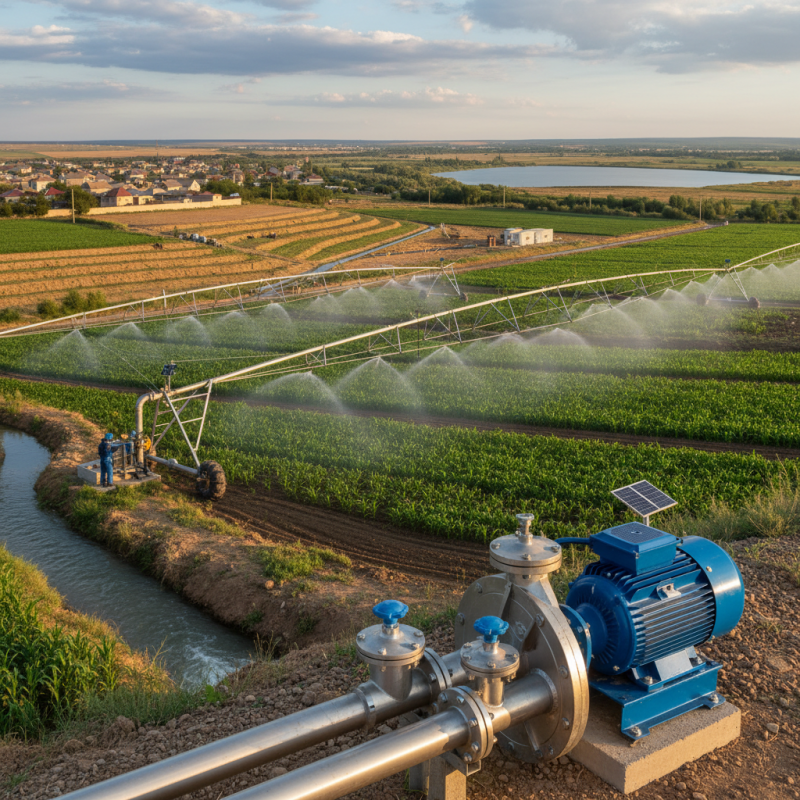
Overview of Agricultural Irrigation Pump Systems: Types and Functions
Agricultural irrigation pump systems play a crucial role in modern farming. These systems enhance water distribution efficiency and optimize crop yield. According to industry reports, the global irrigation pump market was valued at approximately $4.2 billion in 2022, and it is projected to grow at a CAGR of 6.5% from 2023 to 2030. This growth is driven by increasing global food demand and the need for sustainable agricultural practices.
There are several types of irrigation pumps. Centrifugal pumps are popular for their efficiency and ease of use. Submersible pumps operate underwater, suitable for deep water sources. Positive displacement pumps, while less common, offer precise water delivery, ideal for sensitive crops. Yet, each type has its drawbacks. For instance, centrifugal pumps can struggle with high-viscosity fluids. Submersible pumps require consistent maintenance due to immersion in water.
The functions of these pumps extend beyond mere water delivery. They are integral to maintaining soil moisture levels and preventing drought stress. Some studies show that proper irrigation can increase crop yield by up to 50%. However, poorly managed pump systems can lead to water wastage and increased operational costs. Understanding the unique needs of different crops is essential for choosing the right system. As technology evolves, farmers must adapt to new methods for better efficiency.
Key Factors to Consider When Selecting Irrigation Pump Systems for Farms
When selecting an irrigation pump system, farmers must consider various factors. Efficiency is paramount. A system that uses less energy can significantly reduce operating costs. Additionally, lower energy consumption can be better for the environment. The capacity of the pump matters too. It should be able to meet the water requirements of the specific crops being grown.
Another essential aspect is durability. Irrigation pumps often face harsh conditions. Materials should withstand elements like moisture and soil corrosion. Regular maintenance is also vital. Neglecting this can lead to unexpected failures. Cost can be a tricky factor; choosing the cheapest may not always be wise. Sometimes investing in quality means fewer issues down the line.
A farmer's soil type affects water flow and absorption. Understanding these nuances can guide the choice of pump type. A farmer might find that their initial selection doesn't perform as expected. Continuous evaluation and adjustment of the system can lead to better results. Keeping abreast of technological advancements can also provide new solutions. It’s important to stay informed and adapt as needed.
Top Brands and Manufacturers of Agricultural Irrigation Pumps Worldwide
Agricultural irrigation pumps are vital for ensuring efficient water management in farming. Numerous brands and manufacturers specialize in creating durable and reliable pump systems. These companies provide a variety of solutions tailored to meet different irrigation needs. Selecting the right brand can significantly influence productivity and water conservation on farms.
When researching pump systems, consider the quality of materials used. A reliable pump typically features corrosion-resistant components. This ensures longevity and reduces the risk of frequent replacements. Look for user reviews and ratings to gauge performance. Understanding how others have benefited can inform better decision-making.
Tips: Always check warranty details. A strong warranty reflects the manufacturer's confidence in their product. Additionally, consult with irrigation experts before making decisions. They can offer insights into the latest technologies and best practices in irrigation systems. Investing time in research may lead to better outcomes in crop yield and water efficiency.
Comparison of Electric vs. Diesel-Powered Irrigation Pump Systems
When choosing an irrigation pump system, buyers often face a choice: electric or diesel-powered. Electric pumps are generally more efficient and quieter. They require less maintenance and can be more cost-effective over time. Also, they can easily connect to solar power solutions, enhancing sustainability in agriculture.
Conversely, diesel-powered systems offer unique advantages. They provide more power for larger operations and are independent of electrical grids. These pumps are often more reliable in remote areas where electricity may be inconsistent. However, diesel pumps usually consume more fuel and can have higher emissions, posing environmental concerns.
Reflecting on these options, it becomes clear that the best choice often depends on specific farming needs. Electric pumps may shine in areas with stable electricity, yet diesel options might be vital in off-grid locations. Ultimately, both systems have strengths and weaknesses that should be weighed carefully before making a decision.
Innovations and Trends in Agricultural Irrigation Pump Technologies
Innovations in agricultural irrigation pump technologies have transformed modern farming. The focus is on efficiency and sustainability. New designs are solving water scarcity challenges faced by farmers globally. Smart irrigation systems utilize weather data to optimize water use. These systems adjust automatically, reducing water waste and increasing crop yield.
Energy-efficient pumps are a critical development. They lower operating costs while providing consistent water flow. However, implementing these technologies can be expensive for some farmers. Integrating solar power with irrigation pumps is a growing trend. This combination reduces reliance on traditional energy sources but may require substantial upfront investment.
Farmers often face challenges in adapting to these innovations. Training and maintenance can be complex. Ensuring that the technology meets specific agricultural needs is essential. Not every solution will fit every farm. Continuous assessment and adjustments are necessary for long-term success in irrigation strategies.
Top Agricultural Irrigation Pump Systems for Global Buyers
| Pump Type | Max Flow Rate (m³/h) | Power Source | Efficiency (%) | Typical Application |
| Centrifugal Pump | 100 | Electric | 75 | Field Irrigation |
| Submersible Pump | 50 | Solar | 85 | Deep Well Irrigation |
| Gear Pump | 30 | Diesel | 80 | Fertilizer Application |
| Diaphragm Pump | 20 | Electric | 90 | Drip Irrigation |
| Axial Flow Pump | 200 | Electric | 70 | Large Scale Irrigation |