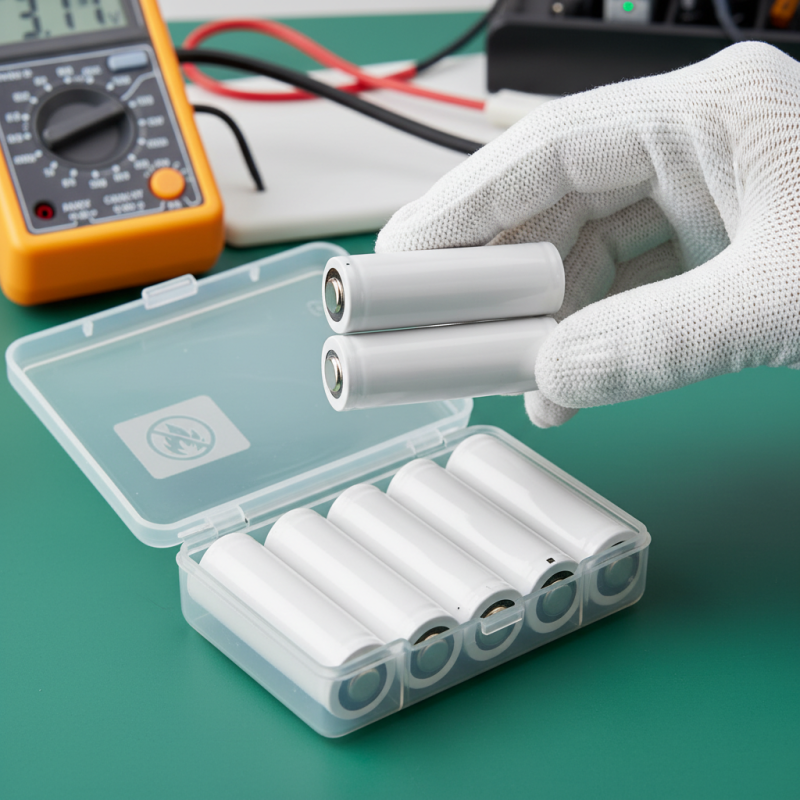
Top 10 Tips for Using Pkcell 18650 Battery Safely?
Using the Pkcell 18650 Battery can be an excellent choice for powering various devices. However, safety should always be a top priority. This battery is popular due to its reliable performance and durability. To enjoy these benefits, users must follow certain guidelines.
When handling the Pkcell 18650 Battery, understanding its features is crucial. Overcharging or mishandling can lead to serious consequences. It's not uncommon for users to overlook these aspects. Taking simple steps to prevent accidents can save you from potential hazards.
Always store your Pkcell 18650 Battery in a cool, dry spot. Avoid exposing it to extreme temperatures. Regularly check for physical damage. These practices ensure your battery remains in good condition. Reflection on your habits can help improve your safety measures. Stay informed, stay safe.
Understanding the Basics of Pkcell 18650 Battery Specifications
When considering the Pkcell 18650 battery, understanding its specifications is crucial. This cylindrical lithium-ion battery has a standard nominal voltage of 3.7 volts. It often provides a capacity range of 1800 to 3500 mAh, depending on the model. Higher capacity allows for longer use between charges. However, the actual performance can vary based on factors like discharge rates and temperature.
The energy density of 18650 batteries is noteworthy. Reports indicate that they typically offer around 250 Wh/kg. This makes them suitable for various applications, including flashlights, electric vehicles, and portable devices. It's essential to monitor their discharge and charge cycles. Over-discharging can lead to reduced longevity. Conversely, excessive charging can cause heat buildup, which poses a risk.
Despite their advantages, potential issues exist. Users may neglect to check for damage and wear, which can compromise safety. Regular inspection is necessary. Remember that not all chargers are compatible with every battery. Using the wrong device can lead to dangerous situations. A simple check can prevent mishaps. The world of 18650 batteries is vast, but education and caution are key.
Top 10 Tips for Using 18650 Battery Safely
This chart illustrates the importance of various safety tips when using 18650 batteries based on user feedback and common practices.
Identifying Safe Charging Practices for Pkcell 18650 Batteries
Charging Pkcell 18650 batteries can be straightforward, but some practices ensure safety. Always use a compatible charger. Mismatched chargers can overheat the battery. Keep an eye on the charging process. If the battery becomes too hot, stop immediately.
Never charge these batteries unattended. This simple habit can prevent potential disasters. Use a smoke detector nearby when charging. It adds an extra layer of safety. Avoid charging the battery in extreme temperatures. Both very cold and very hot conditions can harm its performance.
Inspect the battery regularly for any signs of wear or damage. Dents, scratches, or corrosion can indicate a problem. If you notice anything unusual, consider replacing the battery. Maintain a clean charging environment. Dust or debris can cause short circuits. Remember, safety begins with awareness and caution. Taking these steps can make a significant difference in your charging routine.
Recognizing Signs of Battery Damage and Proper Disposal Methods
When using lithium-ion batteries, recognizing signs of damage is crucial. Common indicators include bulging, leakage, or discoloration. A study by the Battery University reports that nearly 25% of lithium batteries fail due to physical damage. If you notice any irregularity, it is advisable to stop using the battery immediately. Ignoring these signs can lead to overheating or even fires.
Disposing of damaged batteries requires care. Many cities offer recycling programs specifically for batteries. The North American Battery Association suggests that over 95% of battery components can be recycled. However, many users still throw them in regular trash, which poses environmental hazards. Even minor damage can cause a battery to leak toxic substances if not disposed of correctly. It’s essential to find local disposal sites to minimize risks. Safe practices protect both personal safety and the environment.
Maintaining Optimal Operating Conditions for Enhanced Battery Life
When it comes to optimizing the performance of your rechargeable batteries, maintaining the right operating conditions is crucial. Keep your batteries at room temperature. High heat can lead to reduced lifespan. Likewise, extreme cold can cause performance issues. Storing batteries in a cool, dry place is ideal. Avoid direct sunlight, as it generates excessive heat.
Regularly check the voltage levels. If they drop too low, battery health declines. Overcharging is another potential issue. Using compatible chargers is essential. This simple practice ensures safe charging. Pay attention to any signs of damage, too. Cracks or swelling can indicate a problem. If you notice these, it may be time for replacement.
By following these tips, you can significantly enhance battery life. It's easy to overlook simple maintenance. Remember, batteries need careful handling. Regular reflection on your battery care habits helps improve longevity. Active monitoring and proper usage can make a big difference.
Utilizing Protective Equipment and Accessories for Safe Battery Handling
When handling lithium-ion batteries, protection is crucial. Always wear safety goggles to shield your eyes. Gloves can prevent skin contact with battery chemicals. It’s a simple step but often overlooked. Many people think they won't need them. But batteries can leak or rupture, causing hazardous situations.
Using proper storage containers is essential. A fireproof bag or box minimizes risks when batteries are not in use. Ensure that the batteries are stored in a cool, dry place. High temperatures can lead to overheating. Avoid mixing old and new batteries. It’s easy to mistake them for each other, but the results can be dangerous.
Regularly inspect your batteries for any signs of damage. Bulging or corrosion may indicate that a battery is faulty. Disposing of damaged batteries properly is vital, but many people ignore this step. They might not realize the environmental hazards posed. Always prioritize safety by taking these small yet significant measures.