Top 5 Tips for Choosing Signal Isolator 420ma for Your Projects?
Choosing the right Signal Isolator 420ma for your projects can significantly impact performance and safety. This device plays a crucial role in protecting sensitive equipment from electrical disturbances. Understanding the nuances of signal isolators helps ensure optimal functionality in various applications.
It is vital to consider several factors when selecting a Signal Isolator 420ma. First, compatibility with your existing systems is crucial. Not all isolators perform equally well in different environments. You may find that some brands fail more than others. Testing the reliability of different models is necessary.
Additionally, performance metrics like isolation voltage and bandwidth matter. A poor choice may lead to inadequate protection. Ultimately, the right isolator can enhance data integrity and extend equipment lifespan. However, users must navigate various options carefully. Reflect on your projects' specific needs before deciding. The right information and considerations can lead to better outcomes.
Understanding the Role of Signal Isolators in Industrial Applications
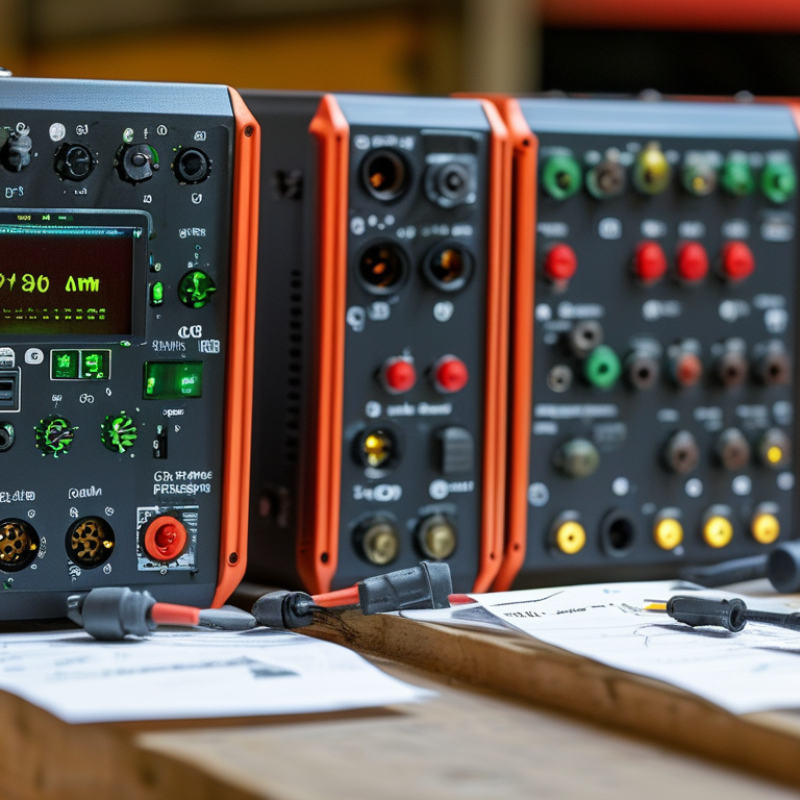
Signal isolators play a crucial role in industrial applications. They prevent electrical noise from affecting sensitive equipment. In environments where multiple devices interact, signal integrity is vital. An unreliable signal can lead to miscommunication and system failures. Thus, choosing the right signal isolator ensures the performance and longevity of your projects.
When selecting a signal isolator, consider the operating environment. Harsh conditions may require more robust devices. Look for isolators that can withstand temperature fluctuations. Also, assess the input and output compatibility. Some isolators cater to specific signal types, while others are more versatile. It's essential to match these specifications to your project requirements.
Finally, pay attention to the installation process. A poorly installed signal isolator can underperform. Review the documentation and installation recommendations. Even experts can overlook minor details. An extra moment spent double-checking connections can save time and resources later. Always remember that attention to detail is key in industrial applications.
Signal Isolator Performance Comparison
This chart compares the response times of different signal isolator brands, which is crucial for selecting the best option for your industrial projects.
Key Specifications to Consider in a 420mA Signal Isolator
When selecting a 420mA signal isolator, key specifications play a crucial role. One notable aspect is the input/output isolation voltage. Reports from industry analysts indicate that high isolation voltages can enhance performance in noisy environments. Look for isolators with at least 1500V of isolation to ensure safety and reliability in demanding applications.
Another significant specification is the linearity of the signal isolator. Data shows that linearity errors can impact system accuracy. Therefore, choose an isolator with less than 0.1% linearity error. This will help maintain the integrity of the signal throughout its range. Also, pay close attention to the temperature range. Operating conditions can vary dramatically. Devices that operate optimally in extreme temperatures reduce the risk of failures.
Power consumption is also an important consideration. Many isolators consume a significant amount of power, which could lead to inefficiencies. Look for options that offer energy-efficient designs while maintaining performance. Finding the right balance can be challenging. It may require testing various models to ensure optimal system performance. These choices are critical for long-term project success.
Evaluating Compatibility with Existing Systems and Sensors
When selecting a signal isolator for your project, ensuring compatibility with existing systems and sensors is crucial. According to industry reports, over 70% of integration issues arise from mismatched components. Identifying specifications like input/output voltage ranges or response time is essential for a seamless fit. Today’s applications demand increased precision, pushing engineers to verify that new isolators match the requirements of existing circuitry.
Another aspect to consider is signal integrity. Studies indicate that poor compatibility can lead to performance degradation. Look for isolators that not only meet electrical specifications but also enhance noise immunity. It is crucial to analyze the environment where the components will operate, as temperature fluctuations can affect sensor outputs. Proper documentation and support from manufacturers can mitigate these risks, yet engineers often overlook this in their haste to finalize designs.
Testing is vital, yet overlooked frequently. Create a prototype to assess behavior with existing sensors. This proactive approach allows you to catch potential issues. The goal is to establish a robust system that minimizes downtime and maximizes reliability. In a world where data-driven decisions shape outcomes, don't underestimate thorough evaluation before deployment.
Top 5 Tips for Choosing Signal Isolator 420ma for Your Projects
| Tip Number | Tip Description | Advantages | Considerations |
| 1 | Assess Compatibility with Sensors | Ensures seamless integration and functionality | Mismatch can lead to incorrect readings |
| 2 | Check Isolation Voltage Ratings | Increased safety and protection | Selecting a lower rating can compromise safety |
| 3 | Evaluate Power Consumption | Improves energy efficiency | High consumption may increase overall project costs |
| 4 | Analyze Response Time | Important for real-time applications | Slow response can lead to delays and errors |
| 5 | Consider Environmental Conditions | Ensures long-term reliability | Neglecting conditions can lead to failure |
Assessing Environmental Factors for Optimal Signal Isolator Performance
When selecting a signal isolator for your projects, considering environmental factors is essential. Temperature fluctuations can affect performance. Extreme heat or cold changes can lead to inaccuracies in signal transmission. You may notice this issue in automated systems outdoors. Installing isolators rated for harsher environments can prevent potential failures.
Humidity is another critical factor. High moisture levels can lead to corrosion, affecting electrical components. Ensure your signal isolator has proper sealing and protection. Choosing a model that withstands moisture can save costly repairs.
Vibration and mechanical stress are also worth considering. If your device operates in industrial settings, isolators must handle these stresses. Regular monitoring can help identify mounting issues. Don’t overlook these details; a little attention now can enhance reliability later. Balancing these factors ensures optimal performance and project success.
Budgeting for Quality: How to Choose Cost-Effective Signal Isolators
Choosing the right signal isolator for your projects often involves balancing quality and budget. Quality is essential because a reliable signal isolator can prevent noise and ensure accuracy in your measurements. However, there are many options in different price ranges. It's vital to evaluate each choice carefully.
Tip: Determine your project requirements first. What is the environment where the isolator will operate? Understanding the conditions can help narrow down your choices. Look for devices with robust construction, ensuring they can withstand harsh environments. This approach might seem costlier upfront but will save you from future failures.
Tip: Read reviews and seek recommendations. Experts often share insights about performance and durability. Testimonials can guide you toward cost-effective options. Look for devices that have a strong track record. Avoid products that frequently receive complaints about reliability. Reflections on past purchases can influence better decisions now. Focus on value, not just price.