
Latest News

Top Tips for Choosing the Best LED Control Board?

Choosing the right LED Control Board is crucial for optimizing lighting performance. It plays a key role in how your LED lights function. An effective control board helps manage brightness, color, and energy efficiency. However, not all boards are created equal.

Consider your specific needs before selecting a control board. Each board offers unique features, which may suit different applications. Research is necessary, as what works for one setting may not work for another. Many boards excel in various elements but lack others. Find the right balance for your requirements.

Trustworthy reviews and expert recommendations can guide your choice. Experienced users offer insights that can help prevent costly mistakes. This knowledge allows you to make an informed decision. A poor selection can lead to frustration and inefficiency. Thus, investing time in understanding different options will pay off in the long run.
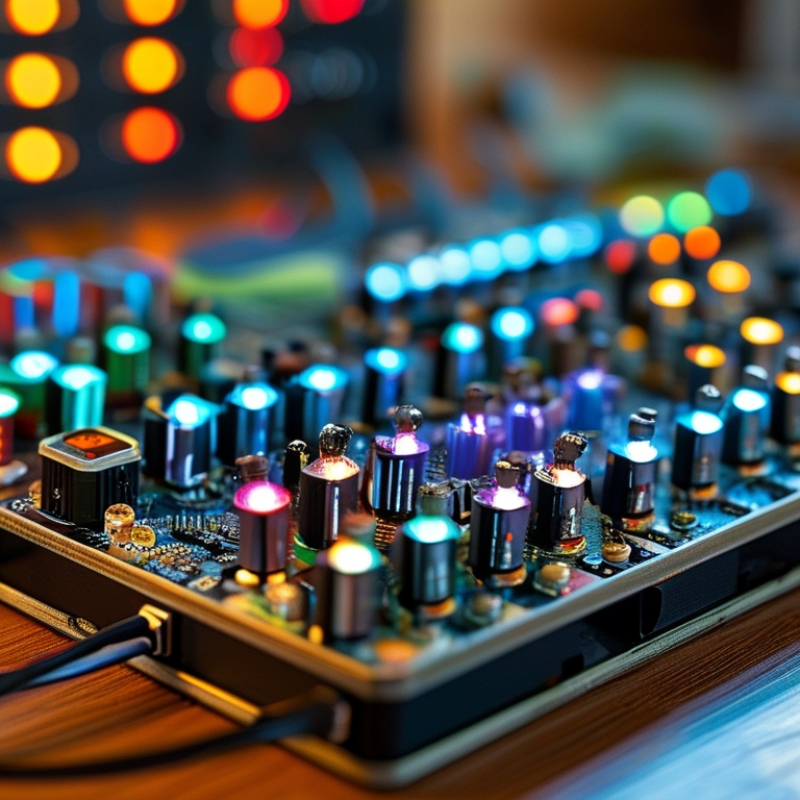
Top Tips for Choosing the Best LED Control Board?

Understanding LED Control Boards: A Beginner's Guide

Understanding LED control boards is essential for anyone venturing into LED technology. These devices manage how LED lighting operates, including brightness and effects. A recent industry report reveals that LED control boards are projected to grow at a rate of 15% annually through 2026. This growth indicates a rising interest and reliance on sophisticated lighting systems across various sectors.

Choosing the right LED control board can be challenging, especially for beginners. Factors such as compatibility and features must be considered. Look for boards that support multiple protocols. Industry professionals recommend checking the specifications to ensure they meet your project’s needs. Users often overlook such details, leading to suboptimal performance.

Moreover, cost is not the only factor to evaluate. A less expensive option may lack essential features. Features like dimming capabilities or connectivity options are crucial for flexibility and control. Purchasing decisions should reflect both current and future needs. Inadequate planning can result in frustration and wasted resources. Always take time to reflect on your choices.

Key Features to Consider When Choosing LED Control Boards

When selecting an LED control board, key features significantly impact performance and longevity. Start by assessing the board's compatibility with your LED modules. Many reports suggest a mismatch in these areas can lead to inefficient operation and increased failure rates. For example, a well-documented study indicated that improper matching can decrease lifespan by up to 30%.

One vital aspect is the input voltage range. Boards that offer wider voltage tolerance ensure they can function in varied environments. This adaptability can prevent issues related to power surges, which 40% of electronic devices face annually. Consider the control protocol as well. Common options like DMX, SPI, or I2C can impact scalability and flexibility in your project.

Additionally, pay attention to heat management features. A substantial thermal rise can degrade components quickly. Effective heat dissipation techniques, such as integrated heatsinks or active cooling, are crucial. Sometimes, these features might be overlooked, leading to quick failures in board performance. Understanding these attributes will lead to a more reliable system in the long run.

Top Tips for Choosing the Best LED Control Board

Comparing Different Types of LED Control Boards

Choosing the right LED control board can be a challenge. Each type offers unique features and benefits. Understanding these differences is crucial for making an informed choice.

For instance, simple controllers are ideal for basic applications. They allow for basic dimming and color changes. These boards are often more affordable. However, they lack advanced features, which may limit functionality. On the other hand, programmable controllers provide extensive customization. They support complex lighting sequences and varied effects. These boards are suitable for elaborate setups, such as stage lighting or architectural displays.

It’s important to weigh your needs carefully. A board that excels in one area might underperform in another. For example, advanced boards may come with a steeper learning curve. Can you invest the time needed to learn and operate these features? Reflecting on your requirements will guide you toward the right choice. Each board has its pros and cons, and understanding them ensures a better selection process.

Top Tips for Choosing the Best LED Control Board

Type of LED Control Board Key Features Pros Cons Best For
Analog Control Board Simple control, Analog signal Easy to use, Cost-effective Limited functionality Small displays
Digital Control Board High precision, Digital signal Advanced features, Flexible programming More complex to set up Large displays, Dynamic content
DMX Control Board Support for DMX protocols Highly professional, Synchronization capabilities Expensive, Requires technical knowledge Theatrical productions, Events
Wi-Fi/Smart Control Board Wireless control, App integration Convenient, Remote management Requires stable internet connection Home automation, Modern installations
PWM Control Board Pulse Width Modulation, Dimming capabilities Smooth dimming, Energy-efficient May require additional components General lighting applications

Evaluating Compatibility with Existing LED Systems

When choosing an LED control board, compatibility is key. A board that seamlessly integrates with existing LED systems ensures optimal performance. Assessing the specifications of your current setup will guide your decision. Check voltage requirements and protocol compatibility as these factors can make or break the integration process.

Consider the connectivity features of the control board. A board with multiple input options will offer greater flexibility. Aim for a control board that can handle various LED types, whether they are RGB, tunable white, or dynamic color-changing systems. Ensure it can support the intended brightness levels and color ranges.

Don’t forget to check for firmware updates. A control board that allows for easy updates can adapt to future system changes. Often neglected, this aspect can prevent potential issues down the line. Taking the time to evaluate these elements will lead to a more reliable and efficient lighting solution.

Assessing Reliability and Support for LED Control Boards

When selecting an LED control board, reliability is crucial. You want a board that can consistently deliver performance. Checking the manufacturing process can reveal much about its durability. Boards made with high-quality materials tend to withstand harsher conditions. Look for certifications that indicate robustness and longevity. These often enhance trust in the product's reliability.

Support options are just as important. A responsive customer service team can be invaluable. Make sure there are clear channels for assistance. Some manufacturers offer online resources like FAQs and troubleshooting guides. This can expedite solving potential issues. However, not all brands provide equal support. Research customer reviews. This can give you insights into others' experiences.

Take a moment to reflect on the warranty offered. A robust warranty indicates the manufacturer stands behind its product. Yet, it also shows their confidence in the board's lifespan. If a warranty is lacking, consider it a red flag. Missing or unclear support resources can lead to frustration later. Be diligent in assessing these factors before making your choice.