Best Tips for Choosing an Automatic Parking Lift for Your Needs?
Choosing the right Automatic Parking Lift is crucial for maximizing efficiency and space in urban settings. With urban populations skyrocketing, the need for innovative parking solutions has never been more pressing. According to a report by IBISWorld, the demand for parking solutions is projected to grow annually by 5.2% through 2025. An Automatic Parking Lift can significantly alleviate parking challenges, offering increased accessibility and optimizing available space.
Factors such as capacity, safety features, and installation requirements are essential to consider. Research from the International Parking Institute indicates that well-designed automated parking systems can save up to 60% more land than traditional methods. However, not all Automatic Parking Lifts meet the same standards. Some models may lack essential safety features or may not be suitable for specific types of vehicles. It is important to critically evaluate options to prevent costly mistakes.
While many users appreciate the long-term benefits, potential drawbacks exist. Challenges include maintenance costs and operational delays. Therefore, thorough research and expert advice are invaluable in ensuring an informed decision that meets both current and future needs. In a market filled with various options, understanding specific requirements will lead to a more satisfactory purchase.
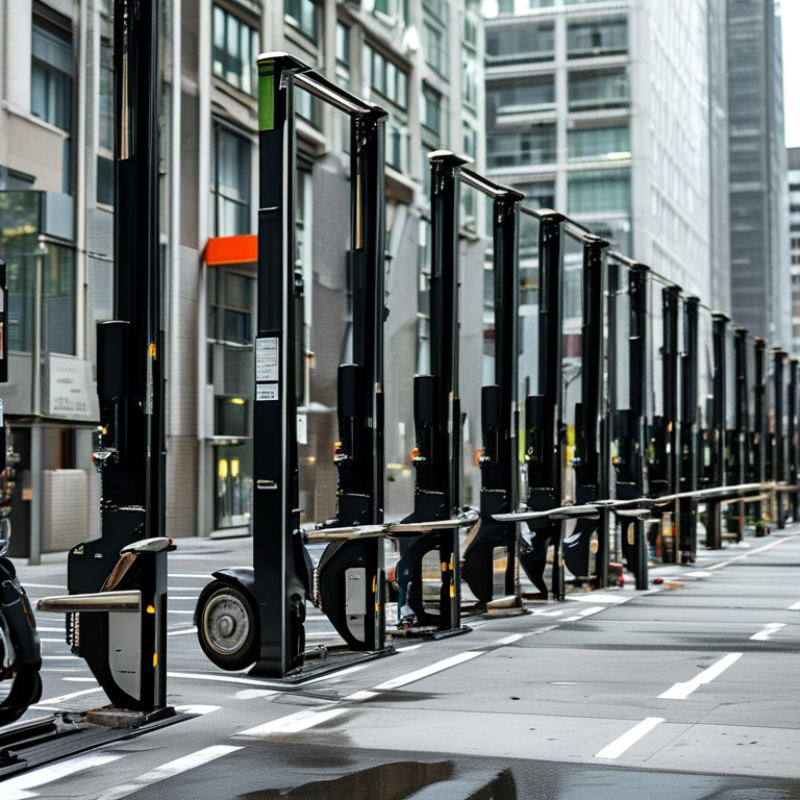
Understanding Your Space Requirements for an Automatic Parking Lift
Choosing the right automatic parking lift involves understanding your space requirements. Start by measuring your available area accurately. Consider both the height and width of the space. These dimensions will dictate the type of lift suitable for your needs.
Assess the number of vehicles you plan to accommodate. Do you want a single lift or one that stacks cars? A multi-level system might work for tight spaces, but it may require more complex installation. Take into account the vehicle sizes as well. Larger vehicles need more room.
Tip: Always account for potential future needs. Will you expand your vehicle collection? Planning ahead can save you time and money later. Each decision you make impacts the overall functionality of the parking system. Reflect on your past parking experiences, as they may guide your choices. Identify your specific requirements clearly to make a well-informed decision.
Automatic Parking Lift Requirements Analysis
Evaluating the Different Types of Automatic Parking Lifts Available
Choosing the right automatic parking lift involves understanding the various types available. There are hydraulic, mechanical, and puzzle-type systems. Hydraulic lifts use fluid pressure to elevate vehicles. They offer smooth operation but may require more maintenance. Mechanical lifts typically utilize chains or belts for movement. They are reliable and often quieter. Puzzle-type lifts maximize space efficiency and can hold vehicles in a compact arrangement. Each type caters to different needs and budgets.
When evaluating these options, consider your specific requirements. How many vehicles will you park? What is the average weight of the vehicles? Research indicates that hydraulic systems are best for heavier vehicles, as they can typically handle loads up to 30,000 pounds. Mechanical lifts might suit light to medium cars better.
Tips: It's vital to assess installation space. Ensure your lift fits your garage or parking area dimensions. It's also advisable to factor in potential future needs, like expanding your vehicle collection. Additionally, reviewing user feedback on reliability can be insightful. A detailed investigation into energy consumption and operational costs is also necessary. Performance can vary, and what works for one setup may not fit another. Always prioritize safety features, as they can save lives.
Assessing Weight Capacity and Vehicle Size Compatibility
When choosing an automatic parking lift, assessing weight capacity and vehicle size compatibility is crucial. Different lifts support varying weights. Understand your vehicle’s weight to avoid overloading the system. Check the specifications carefully. A lift that cannot handle your car's weight could lead to serious damage or malfunctions.
Consider the dimensions of your vehicle. Not all lifts accommodate every vehicle size. Measure the height, length, and width of your car. Confirm that the lift you select provides a safe and snug fit. Insufficient space might lead to accidents during parking or retrieval.
Tip: Consult the manufacturer's guidelines for detailed weight limits and size requirements. This ensures you choose a lift that meets your specific needs. Also, think ahead. If you plan to buy a larger vehicle, consider a lift with extra capacity. A bit of foresight can save trouble later. Make sure to review all options thoroughly before making a final decision. Your choice can significantly impact your parking experience.
Considering Safety Features and Mechanisms in Lift Systems
When choosing an automatic parking lift, safety should be a top priority. Look for systems with multiple safety features. These can include emergency stop buttons, safety locks, and alarms. A reliable automatic parking lift must have a sturdy construction. Materials should resist wear and tear from heavy vehicles. Consider lifts with a proven safety record and certifications from recognized authorities.
Examine the lift's mechanism closely. Some systems use hydraulic lifts, while others rely on electric motors. Hydraulic systems typically offer smoother lifting and lowering. However, they may require more maintenance over time. Electric lifts are generally easier to install and use less energy. Always check user reviews to understand real-life experiences with the mechanism’s safety.
Investing in an automatic parking lift means you must ensure the features meet your needs. Ask about weight limits and size constraints. A lift must accommodate various vehicle types without risk. Be wary of overly complicated systems. Simple mechanisms often provide greater reliability. In the end, always prioritize safety and functionality over flashy designs.
Analyzing Installation and Maintenance Needs for Longevity
When considering an automatic parking lift, installation and maintenance are key factors for longevity. Proper installation is crucial. Misalignment can lead to malfunction. The installation should follow the manufacturer’s guidelines to ensure safety and performance. According to industry reports, about 30% of parking lift failures are due to poor installation practices. Engaging professionals with experience can significantly reduce these risks.
Regular maintenance is essential for optimal performance. Scheduled inspections prevent small issues from escalating. According to a study published by the National Parking Association, regular maintenance can extend a system’s lifespan by up to 50%. Technicians should check hydraulic systems and electrical components frequently. Neglecting these checks can lead to costly repairs.
Some owners underestimate the importance of maintenance. Many believe occasional checks suffice. However, it is vital to develop a comprehensive maintenance plan. Understanding that wear and tear is inevitable helps set realistic expectations. Investing time and resources in both installation and maintenance pays off in the long run. It enhances safety and prolongs the lift’s operational life. Balancing cost and quality in these areas will ensure the best outcome.