Top 10 Tips for Building a Pickleball Sports Court?
Building a pickleball sports court can be an exciting project. According to expert Ron Smith, “Creating the right environment makes all the difference.” Designing the court requires careful consideration of space, surface, and layout. The popularity of pickleball has surged, making it essential to create a facility that meets players' needs.
When planning a pickleball sports court, think about the location and accessibility. Choose a flat area with good drainage. Selecting the ideal surface is crucial too. Many players prefer a concrete or asphalt surface. However, a well-maintained synthetic option can enhance playability and comfort.
Don’t overlook the importance of fencing and lighting. These elements improve safety and allow for night play. Each detail contributes to an enjoyable experience. While these tips guide you, remember that perfecting your court may take time and trial. Aim for a balance of aesthetic appeal and functionality. There will be challenges along the way, but the joy of playing on your own court is worth it.
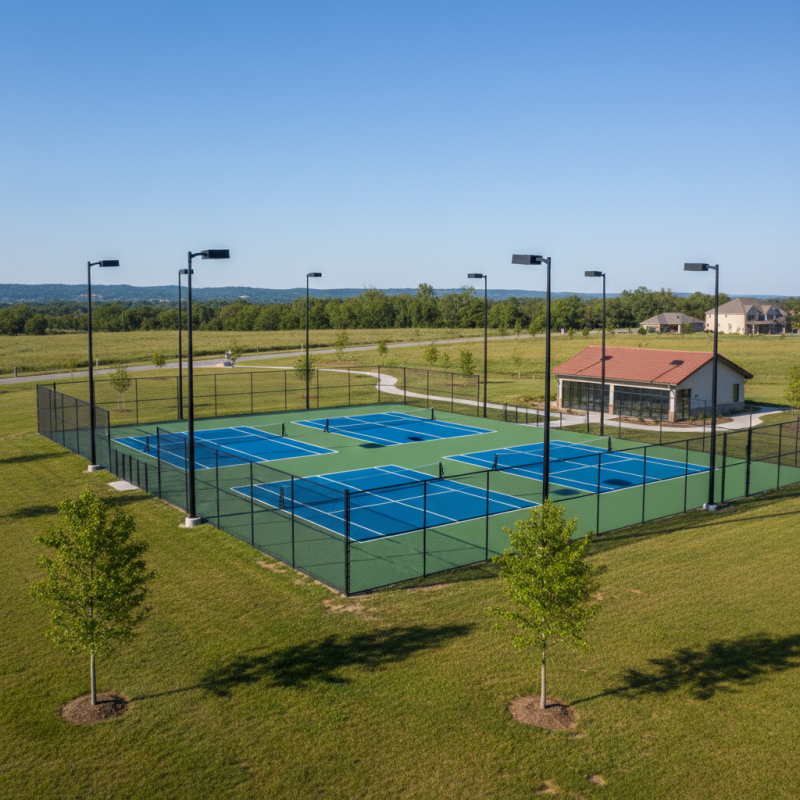
Understanding the Dimensions and Layout for Pickleball Courts
When planning a pickleball court, understanding the dimensions is crucial. A standard pickleball court measures 20 feet wide and 44 feet long for doubles play. The layout requires a 7-foot non-volley zone, often referred to as the "kitchen," located at both ends of the court. These measurements ensure that players have adequate space for movement and strategy.
The recommended surface for the court is typically made of asphalt or concrete. This provides a durable base that can withstand intense play. According to the USA Pickleball Association (USAPA), the ideal surface should offer good traction. It should also be painted with specific lines to enhance visibility and safety. Striking a balance between a reliable surface and player comfort can be challenging. It’s essential to consider drainage and weather conditions, which can affect court longevity.
Another factor to ponder is court orientation. Aligning the court to minimize sun glare can improve the playing experience. Reports indicate that courts positioned north-south typically reduce issues associated with low-angle sunlight. However, finding the right landscape terrain may require compromise. Some players have expressed challenges with installation costs. A well-planned layout, along with thoughtful preparation, can lead to enjoyable games while addressing these concerns effectively.
Choosing the Right Surface Material for Optimal Performance
Choosing the right surface material for your pickleball court is crucial for performance and safety. Various materials provide different levels of grip, shock absorption, and durability. According to a report by the Association of Pickleball Professionals, courts with textured surfaces enhance traction, reducing the risk of slips and injuries.
Acrylic surfaces and indoor tiles are popular options. They offer good ball bounce and respond well to various weather conditions. Notably, surfaces that are too smooth can lead to rapid games but may also increase injury risks. An ideal surface balances speed and safety, ensuring that players can perform at their best without worrying about stability.
When planning your court, consider the climate. Some materials fare better in heat or humidity. A recent study highlighted that surfaces exposed to direct sunlight tend to become slick, affecting gameplay. Players have reported discomfort on hot asphalt surfaces, leading to longer matches and potential fatigue. Always weigh these factors carefully. A well-chosen surface will enhance the overall experience for players, ensuring a safe, competitive environment.
Top 10 Tips for Building a Pickleball Sports Court - Choosing the Right Surface Material for Optimal Performance
| Tip No. | Surface Material | Durability | Maintenance | Cost (per sq. ft.) | Performance Quality |
| 1 | Acrylic | High | Low | $4 - $7 | Excellent |
| 2 | Concrete | Very High | Moderate | $3 - $5 | Good |
| 3 | Wood | Moderate | High | $5 - $10 | Good |
| 4 | Asphalt | High | Low | $2 - $4 | Fair |
| 5 | Turf | Moderate | Moderate | $6 - $12 | Good |
| 6 | Multi-use Synthetic | High | Low | $8 - $15 | Excellent |
| 7 | Vinyl | Moderate | High | $7 - $13 | Fair |
| 8 | Foam | Low | Moderate | $3 - $6 | Satisfactory |
| 9 | Fiberglass | Very High | Low | $10 - $18 | Excellent |
| 10 | Rubber | High | Low | $9 - $14 | Very Good |
Planning for Proper Drainage and Maintenance in Court Design
When designing a pickleball court, proper drainage is essential. According to the Sports & Recreation Alliance, improper drainage can lead to serious maintenance issues and player injuries. Standing water can damage the surface and create an unsafe playing environment. To prevent such problems, an effective drainage plan must be in place during construction.
Incorporating a sloped surface helps with water runoff. A 2% slope is often recommended for optimal drainage. Additionally, using porous materials in court design allows water to penetrate without pooling. Regular maintenance is essential to ensure the drainage system remains effective. This includes inspecting the drains and clearing debris, which can hinder water flow.
Another critical aspect is the court's surface material. Certain materials provide better drainage than others. A more porous surface may require less maintenance but could affect playability. Balancing play quality and drainage is crucial. Over time, court wear can expose drainage issues, making it important to reassess surface choices periodically. This reflective approach ensures the longevity and safety of the playing area.
Essential Equipment and Accessories for a Functional Pickleball Court
Building a functional pickleball court requires careful consideration of equipment and accessories. According to the Sports and Fitness Industry Association, pickleball participation has surged, with over 3.3 million players in the U.S. by 2021. This rise highlights the importance of creating a quality playing environment.
The surface of the court is crucial. A durable, non-slip material will enhance gameplay. Concrete or asphalt is often used, but incorporating materials specifically designed for pickleball can improve performance. Ensure the lines are clearly marked using high-visibility paint. Proper dimensions are essential too; a standard court measures 20 by 44 feet for doubles play.
Lighting is another critical factor. Players can enjoy games in the evening with adequate overhead lighting. Bright, shadow-free illumination allows for better visibility and reduces fatigue. An average court should have 30 to 50 foot-candles of light for optimal conditions.
When considering equipment, paddles and balls should meet regulatory standards. Investing in quality gear is vital for both beginners and professionals. Players often overlook the importance of comfortable footwear. Proper shoes can prevent injuries and improve overall performance during play. Lastly, remember to provide seating and storage for players and spectators alike.
Assessing Local Regulations and Community Needs for Court Construction
When considering building a pickleball court, understanding local regulations is crucial. Each community has its own zoning laws and permitting processes. Research these requirements before starting any construction. This ensures compliance and can prevent future legal issues. Additionally, engaging with local authorities can provide insights into necessary permits.
Assessing community needs is equally important. Gather input from potential players and local residents. Surveys or informal meetings can help gauge interest and availability. A court that meets community expectations increases its usage. Think about accessibility, safety, and location when planning. Incorporating feedback allows for a well-informed approach to design.
Designing the court should reflect both the sport's spirit and the community's desires. Balance aesthetics with functionality. How many courts will be built? Is there enough space for parking? These questions need answers. Reflect on the long-term sustainability of the facility. Building a court is not just a project; it’s an investment in community health and teamwork.
Top 10 Tips for Building a Pickleball Sports Court