What is Stainless Steel Wire and How to Choose It?
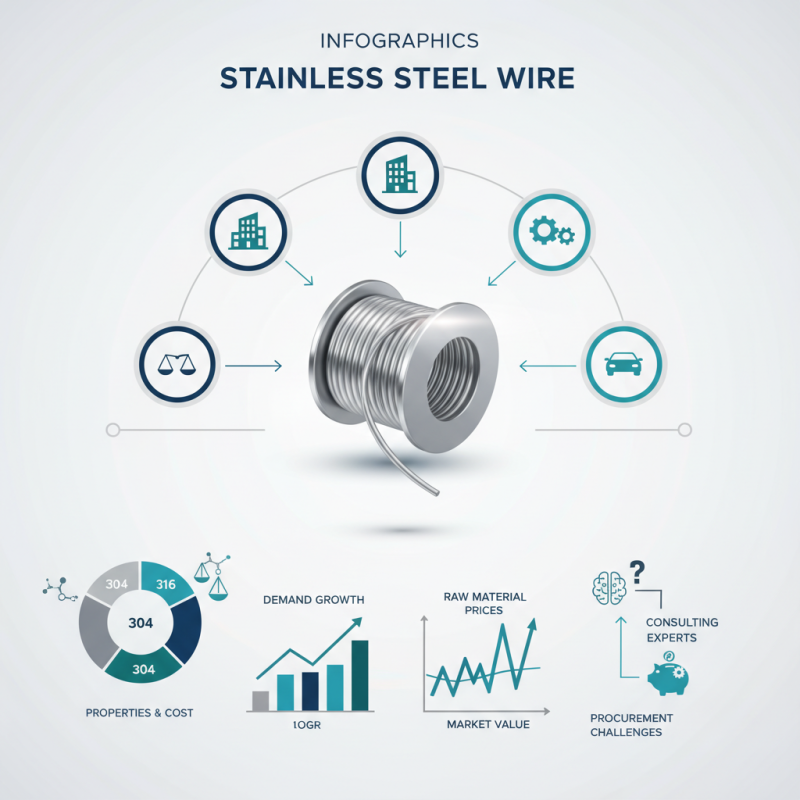
Stainless Steel Wire has become a crucial material in various industries, such as construction, manufacturing, and automotive. According to the Global Stainless Steel Wire Market Report, the demand for stainless steel wire is projected to grow at a CAGR of 5.2% from 2023 to 2028. This growth underscores its importance in applications ranging from reinforcement to electrical wiring.
Selecting the right type of stainless steel wire involves understanding its composition and properties. Various grades, such as 304 and 316, offer different benefits, affecting durability, corrosion resistance, and cost. A report from the International Stainless Steel Forum highlights that 304 stainless steel remains the most widely used grade due to its versatility. However, consulting with industry experts is essential for making informed decisions, as the wrong choice can lead to inefficiencies or increased costs.
Despite its advantages, stainless steel wire is not without challenges. The market has seen fluctuations in raw material prices, impacting overall cost. This unpredictability can complicate procurement strategies, requiring businesses to stay abreast of trends. Balancing quality with price remains a constant challenge for many professionals in the field. Thus, understanding the intricacies of stainless steel wire and its market dynamics is vital for sustainability and competitive edge.
Understanding Stainless Steel Wire: Definition and Composition
Stainless steel wire is an essential material in various industries. Composed mainly of iron, chromium, and nickel, stainless steel gives the wire its unique properties. The chromium content typically ranges from 10.5% to 30%, which provides exceptional corrosion resistance. Nickel enhances durability and ductility, making the wire adaptable for different applications.
When assessing different types of stainless steel wire, consider the specific alloy formulation. For example, 304 stainless steel is widely used due to its good balance of properties. It has an average tensile strength of 505 MPa, making it suitable for many tasks. On the other hand, 316 stainless steel offers better corrosion resistance, especially in marine environments.
Tips: Always assess the wire's mechanical properties before making a selection. Different applications may require varying tensile strengths and flexibility. Understand your project's specific needs to choose correctly. Don't forget to evaluate the environmental factors the wire will face, as they impact longevity. Sometimes, a more expensive wire may save costs in the long run due to its durability.
Types of Stainless Steel Wire: Categories and Applications
When selecting stainless steel wire, it's essential to understand the various types available. Different applications require different specifications. There are primarily two major categories: austenitic and ferritic stainless steel wires.
Austenitic stainless steel wire is known for its excellent corrosion resistance and ductility. It's commonly used in industries ranging from food processing to medical applications. This type of wire can be welded easily, making it versatile. Ferritic stainless steel wire, on the other hand, has good resistance to stress corrosion cracking but is often less ductile. It's typically used in automotive applications and architectural designs. The choice between these types requires careful consideration of the intended use and environment.
Choosing the right stainless steel wire also involves understanding diameter and tensile strength. Thicker wires offer more strength but can be less flexible. Sometimes, the right choice can seem unclear. Testing different options can lead to better insights. Consulting with industry experts can provide additional guidance, ensuring the right material is selected for specific needs. Such discussions often reveal insights that literature alone may not offer.
Key Properties of Stainless Steel Wire: Strength, Corrosion Resistance, and More
Stainless steel wire is known for its versatility and durability. When selecting stainless steel wire, several key properties come into play, especially strength and corrosion resistance. Strength is crucial for applications requiring support and tension. Whether in construction or manufacturing, the wire must withstand heavy loads and stress. Different grades of stainless steel offer varying levels of strength, which should be matched to the project requirements.
Corrosion resistance is another critical factor. Stainless steel wire is often exposed to moisture and harsh environments. The alloy's composition, primarily chromium, forms a protective layer that prevents rust and degradation. However, not all stainless steel is the same. Some grades offer enhanced resistance, vital for marine applications or chemical environments. Choosing the right grade can sometimes be confusing; users need to evaluate the environment where the wire will be used.
Other properties, like flexibility and conductivity, may also be relevant based on specific applications. Flexibility is essential for bending and shaping, especially in artistic or architectural projects. Electrical conductivity, while not a primary characteristic, is significant for applications involving electrical wiring. Reflecting on these aspects can lead to a better understanding of how to choose the right stainless steel wire. Misjudging the requirements can lead to failure or underperformance.
Factors to Consider When Choosing Stainless Steel Wire for Your Project
When choosing stainless steel wire for your project, several factors come into play. The type of stainless steel is crucial. Common options include 304 and 316 grades. Grade 304 offers good corrosion resistance, making it ideal for indoor use. In contrast, grade 316 provides enhanced protection against harsh environments, especially marine conditions. Think carefully about your project's location and environment.
Wire diameter is another important consideration. Thicker wires provide durability but may lack flexibility. Conversely, thinner wires are easier to manipulate but can be less robust. Assess the applications and tasks at hand. Will the wire support heavy loads or require bending? Understanding these needs can guide your choice.
The wire’s finish also influences its function. Polished finishes reflect light and resist dirt. Matte finishes may blend well into certain aesthetics but can attract grime. Don’t forget about the tensile strength, which ensures the wire can handle necessary stress without breaking. By considering these factors carefully, you can select the appropriate stainless steel wire for your specific application.
Common Applications of Stainless Steel Wire in Various Industries
Stainless steel wire is utilized across multiple industries, thanks to its strength and corrosion resistance. In construction, it acts as reinforcement in concrete. Builders appreciate its durability when tied with rebar. The wire’s adaptability allows it to withstand harsh weather, ensuring long-lasting structures.
In the automotive industry, stainless steel wire is often found in components such as springs and cables. Its resistance to fatigue and high temperatures is essential. Automotive engineers rely on this wire for safety and performance. However, sourcing the right type can be challenging. Different specifications may be needed based on vehicle design and application.
Moreover, the medical field uses stainless steel wire for suturing and other applications. Its biocompatibility makes it a trusted choice. Physicians and manufacturers must stay informed about material grades to ensure patient safety. Not all stainless steel wires are suitable for all applications. Continuous evaluation is necessary to avoid potential issues.
Stainless Steel Wire Applications in Various Industries