What is Spider Coupling and How Does it Work?
spider coupling plays a crucial role in various industries. This innovative technology connects rotating shafts while absorbing vibrations. Experts like Dr. Jane Anderson, a leading figure in mechanical engineering, emphasize its importance. She once stated, "Spider couplings are essential for efficiency and mechanical harmony."
The effectiveness of spider coupling lies in its design. It minimizes wear and enhances performance in machinery. However, many industries still underutilize this technology. Some engineers may overlook its benefits, leading to increased downtime and maintenance costs. This oversight highlights the need for greater awareness and education about spider coupling.
Incorporating spider coupling can be complex. Engineers must assess the right applications and configurations. A lack of understanding may cause inappropriate use, resulting in inefficiencies. Therefore, discussing spider coupling’s potential and challenges is vital for future advancements. Understanding its nuances will lead to better mechanical solutions.
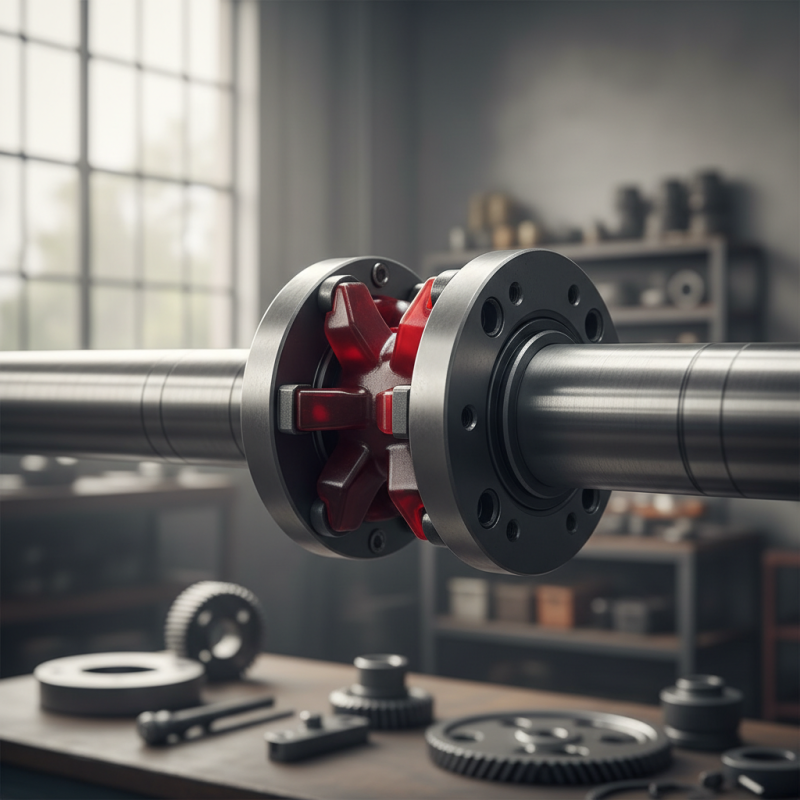
Definition of Spider Coupling and Its Purpose
Spider coupling is a flexible connection widely used in various industrial applications. It serves to bridge the gap between rotating shafts while allowing for misalignment. Typically, a spider coupling consists of two hubs and an elastomeric spider. The spider is often made from flexible materials, like rubber, that provide cushioning. According to a report by MarketsandMarkets, the couplings market is projected to grow significantly, emphasizing the importance of reliable connections in machinery.
The primary purpose of spider couplings is to transmit torque while minimizing shock loads. They can accommodate some degree of misalignment, reducing wear and tear on equipment. This feature is crucial in applications that experience vibrations. A study indicated that proper alignment can improve the lifespan of machinery by up to 30%. Using spider couplings can lead to significant cost savings by prolonging equipment life.
Tip: Regularly inspect spider couplings for signs of wear. If the spider appears cracked or deformed, replacing it promptly can prevent larger failures in your system.
Another consideration is the selection of the right spider type for your application. Different materials offer various levels of flexibility and durability. Assessing the working environment is key. While spider couplings provide excellent performance, they may not be suitable for all conditions. Always evaluate your specific needs before making a choice.
Components of a Spider Coupling and Their Functions
Spider couplings are fascinating components in power transmission systems. They consist of three main parts: the spider, two hubs, and the elastic element. Each of these components plays a crucial role. The spider, made of durable materials, connects to the drive shaft. It accommodates misalignment, which can be common in machinery.
The hubs are attached to the motor and the driven component. They help in transferring torque efficiently. The elastic element, typically made of rubber or polymer, absorbs shocks. This enhances the lifespan of the machinery. It is interesting how these elements work together seamlessly yet require precise manufacturing. A minor defect can lead to inefficiencies.
In practice, spider couplings face challenges. They can wear down over time, leading to vibrations. This can affect operational efficiency. Regular inspections are necessary to catch issues early. Understanding these components helps in maintaining machinery. Sometimes, it’s easy to overlook the importance of such a simple design.
Spider Coupling Components and Their Functions
Working Principle of Spider Coupling in Mechanical Systems
Spider coupling is an essential component in many mechanical systems. It connects two shafts while allowing for slight misalignments. This flexibility helps in reducing wear and tear on equipment. A spider coupling typically consists of two hubs and a flexible spider element positioned between them. The spider is often made of rubber or elastomer material, providing a cushioning effect.
The working principle of a spider coupling revolves around its ability to absorb shock. When one shaft experiences vibration, the spider element flexes. This action dampens the impact transmitted to the other shaft. Consequently, this setup enhances the life of machinery and boosts performance efficiency. Mechanical systems, such as motors and pumps, benefit greatly from using spider couplings.
Tips: Always check the spider element for wear. A damaged spider can reduce effectiveness. Regular maintenance is crucial for optimal performance. Misalignment can occur over time; monitor regularly. Consider the load capacity while selecting a spider coupling for your application. Balancing flexibility and strength is vital. These factors play a significant role in mechanical system health.
Applications of Spider Coupling in Various Industries
Spider couplings are becoming essential in various industries due to their unique design and functionality. In manufacturing, they connect powered machines. This ensures smooth operation and helps in reducing wear and tear. The flexibility of the spider coupling allows for minor misalignments. This feature is crucial in high-torque applications.
In the automotive industry, these couplings play a vital role in power transmission. They help in connecting the engines to other components efficiently. This connection minimizes vibrations significantly. Engineers appreciate the lightweight nature, which supports fuel efficiency. However, choosing the right material for these couplings can be challenging. The wrong choice may lead to increased failure rates.
Another interesting application is in the energy sector. Here, spider couplings support various generators and turbines. They help to manage the shocks during operations. This could reduce downtime, yet some installations face difficulties with noise. Sound dampening might not always meet expectations. As a result, ongoing research into materials and designs is ongoing to enhance performance in these vital applications.
Maintenance and Troubleshooting of Spider Couplings
Spider couplings are versatile components used in various mechanical systems. They provide flexibility and tolerance to misalignment. However, like any mechanical part, they require regular maintenance and troubleshooting to ensure optimal performance.
One common issue with spider couplings is wear and tear over time. Regular inspection can help identify cracks or abrasions in the elastomer. Operators should also listen for unusual noises or vibrations during operation. These sounds can indicate misalignment or an issue with the coupling. Ensuring that the coupling remains properly lubricated is essential, as inadequate lubrication can lead to excessive wear.
When troubleshooting spider couplings, checking the alignment is crucial. Misalignment can cause more damage than one may initially think. If a coupling fails, it can lead to equipment downtime. Regularly scheduled maintenance checks help prevent these failures. It is advisable to replace the spider insert before it shows significant wear to avoid unexpected breakdowns. These proactive steps can save both time and money in the long run.
What is Spider Coupling and How Does it Work? - Maintenance and Troubleshooting of Spider Couplings
| Dimension | Specification | Material | Application | Maintenance Tips |
| Inner Diameter | 40 mm | Nylon | Industrial motors | Regular inspection for wear |
| Outer Diameter | 70 mm | Rubber | Pump connections | Lubricate periodically |
| Length | 100 mm | Aluminum | Wind Turbines | Check for axial misalignment |
| Torque Rating | 250 Nm | Steel | Conveyor systems | Monitor for unusual vibrations |
| Weight | 1.5 kg | Composite | Automotive applications | Replace if cracked |