
Latest News

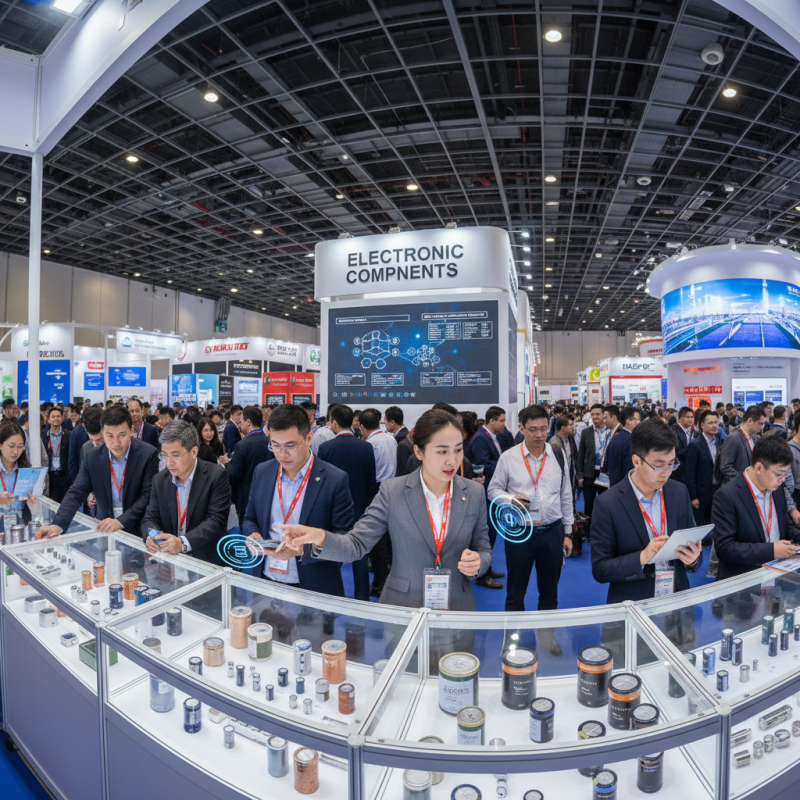
Top Tips for Sourcing Aluminum Electrolytic Capacitors at Canton Fair 2026

As the 139th Canton Fair approaches in April 2026, sourcing Aluminum Electrolytic Capacitors will be a highlight. The fair's focus on advanced manufacturing and electronics makes it a prime venue for buyers. Industry expert Dr. Jane McCarthy, a leading authority on capacitors, emphasizes, "Finding the right supplier can make or break your project."

This year, buyers will benefit from advanced AI features for streamlined sourcing. The AI system helps quickly identify suppliers with relevant certifications, such as ISO and CE. Navigating the expansive 1.55 million square meters of exhibition space can be daunting. The smart navigation tools aim to improve efficiency significantly, but buyers must remain proactive.

It’s crucial to remember that not every supplier will meet your specific needs. Some might lack the quality, while others may not provide necessary support. Collecting samples beforehand is still essential. This year’s fair offers opportunities, but buyers must approach with caution. An informed choice is the key to successful procurement of Aluminum Electrolytic Capacitors in China.
Top Tips for Sourcing Aluminum Electrolytic Capacitors at Canton Fair 2026

Understanding Aluminum Electrolytic Capacitors and Their Applications

Aluminum electrolytic capacitors are essential components in many electronic devices. Their primary function is to store electrical energy, which is crucial for smooth operation. Applications range from consumer electronics to industrial machinery. According to a recent market report, the global aluminum electrolytic capacitor market is projected to reach $25 billion by 2026, driven by increasing demand for compact electronic devices.

Their unique construction allows for high capacitance values in a small footprint. This makes them suitable for decoupling, filtering, and energy storage applications. However, not all capacitors are the same. Parameters like endurance and temperature rating can vary widely. In fact, there's an alarming statistic: nearly 30% of capacitors fail prematurely due to inadequate thermal management in design.

Choosing the right type can be challenging. Factors like operating voltage and ripple current must be considered. Manufacturers sometimes overlook these details, leading to costly errors. Furthermore, the lack of awareness about the latest specifications can hinder selection. Thus, it’s important to stay updated on industry standards and technological advancements before sourcing during events like the Canton Fair.

Navigating the Canton Fair: Key Locations to Source Capacitors

Navigating the Canton Fair can be overwhelming. The fair hosts thousands of exhibitors. Each booth offers various products, including aluminum electrolytic capacitors. It's essential to plan your visit carefully. Focus on the electronics section, which typically houses these capacitors. Here, you can find a multitude of suppliers under one roof.


Don't hesitate to ask questions. Engage with the exhibitors; they appreciate curiosity. Some suppliers may offer insights that aren’t in their brochures. Pay attention to the details of each capacitor. The specifications matter. Remember that not all products meet the same standards. You might encounter unexpected variations.


Walking the aisles can be tiring. Take breaks to absorb information. Map out areas you want to revisit. Trust your instincts when selecting suppliers. Sometimes, a hunch leads you to unexpected find. The best deals could be in the smaller booths. Always be ready to negotiate.

Evaluating Quality: Standards and Testing Methods for Capacitors

When sourcing aluminum electrolytic capacitors, evaluating quality is essential. Testing methods play a crucial role in this process. Industry reports indicate that nearly 25% of capacitors fail to meet established quality standards. This failure can lead to significant losses in electronic product performance. Manufacturers must use standardized testing methods to ensure consistency and reliability.

Common testing standards include the IEC 60384 and MIL-PRF-39006. These standards outline parameters like endurance, leakage current, and temperature characteristics. For instance, capacitors must withstand -40°C to +105°C and maintain stability across these ranges. An investment in quality testing yields better long-term performance. However, some manufacturers cut corners in testing, leading to potential failures.

Visual inspections are essential, but they are not foolproof. There's a chance of missing microscopic defects. These can cause long-term issues, like premature failure or bulging. A comprehensive analysis should include electrical testing. This tests capacitance, ESR, and ripple current handling. Utilizing advanced techniques like impedance spectroscopy provides deeper insights. Ultimately, a multi-faceted approach to quality evaluation minimizes risks and enhances product reliability.

Effective Negotiation Strategies When Sourcing from Suppliers

Negotiating with suppliers at trade fairs like the Canton Fair requires strategic thinking. Many buyers overlook the importance of research. According to a 2022 industry report, about 40% of sourcing challenges stem from inadequate supplier knowledge. Understanding a supplier’s strength and weaknesses can provide leverage during negotiations.

Establishing clear criteria for product quality is essential. For aluminum electrolytic capacitors, specifications such as capacitance tolerance, temperature range, and lifespan must be discussed. A survey revealed that 65% of buyers focus solely on pricing, neglecting other critical factors. This approach can lead to regrettable choices, so it’s crucial to address these aspects upfront.

Finally, build a rapport with potential suppliers. Personal connections can lead to flexibility in negotiations. A recent study indicated that suppliers are more willing to offer favorable terms if they feel a connection. However, being overly accommodating can backfire, leaving buyers vulnerable. Balancing friendliness and assertiveness is key. This aspect is often overlooked, yet it can significantly impact final agreements.

Top Tips for Sourcing Aluminum Electrolytic Capacitors at Canton Fair 2026 - Effective Negotiation Strategies When Sourcing from Suppliers

Tip Number Sourcing Tip Negotiation Strategy Expected Outcome
1 Research Suppliers Thoroughly Prepare a list of alternative suppliers to leverage during negotiations. Better pricing and terms.
2 Understand Market Trends Use data on demand and pricing trends to justify requests. Enhanced bargaining power.
3 Evaluate Product Quality Request samples and inspect them before finalizing deals. Minimized risk of poor-quality products.
4 Build Relationships Engage in friendly conversations and follow up post-fair. Stronger long-term partnerships.
5 Clarify Payment Terms Negotiate favorable payment terms upfront. Better cash flow management.

Building Long-Term Relationships with Capacitor Manufacturers at Fairs

Building long-term relationships with capacitor manufacturers at trade fairs, such as Canton Fair, is crucial. Take time to explore each booth. Engage in conversations that showcase mutual interests. A simple exchange of ideas can go a long way. Ask about their design processes or technology advancements. Listen actively, as this can reveal insights into their operations.

It’s vital to remain transparent about your needs. Share your expectations regarding quality and delivery timelines. However, be prepared for some misunderstandings. Language barriers can lead to confusion. Don't hesitate to seek clarification when necessary. While people often remember the best parts of a meeting, it’s important to reflect on areas that need improvement.

After establishing connections, follow up regularly. Email updates or calls show your commitment. However, be mindful of their response times. Some manufacturers may take longer to reply. This shouldn’t discourage you. Building lasting partnerships requires patience and effort. Recognize that every interaction is a step toward better collaboration in the future.