Top Reasons to Choose Stainless Steel Enclosure for Your Projects?
When selecting materials for your projects, the choice of enclosure is crucial. A Stainless Steel Enclosure stands out due to its durability, corrosion resistance, and aesthetic appeal. According to a 2021 market report by Research and Markets, the global stainless steel enclosure market is projected to grow at a CAGR of 5.2% between 2022 and 2027. This growth reflects the increasing demand for durable solutions across various industries.
Stainless steel offers enhanced protection for sensitive equipment in harsh environments. Its non-reactive properties are essential for applications in food processing and pharmaceuticals. Many professionals attest that stainless steel enclosures can significantly extend product lifespan, reducing long-term costs. However, it is important to consider the initial investment, as these enclosures can be pricier than alternatives.
While corrosion resistance is a major benefit, not all stainless steel grades are created equal. Understanding the specific requirements of your project is key. This ensures that the chosen Stainless Steel Enclosure meets your needs without compromising on quality. As we explore the reasons to choose stainless steel enclosures, understanding their benefits in context will guide better decision-making for your projects.
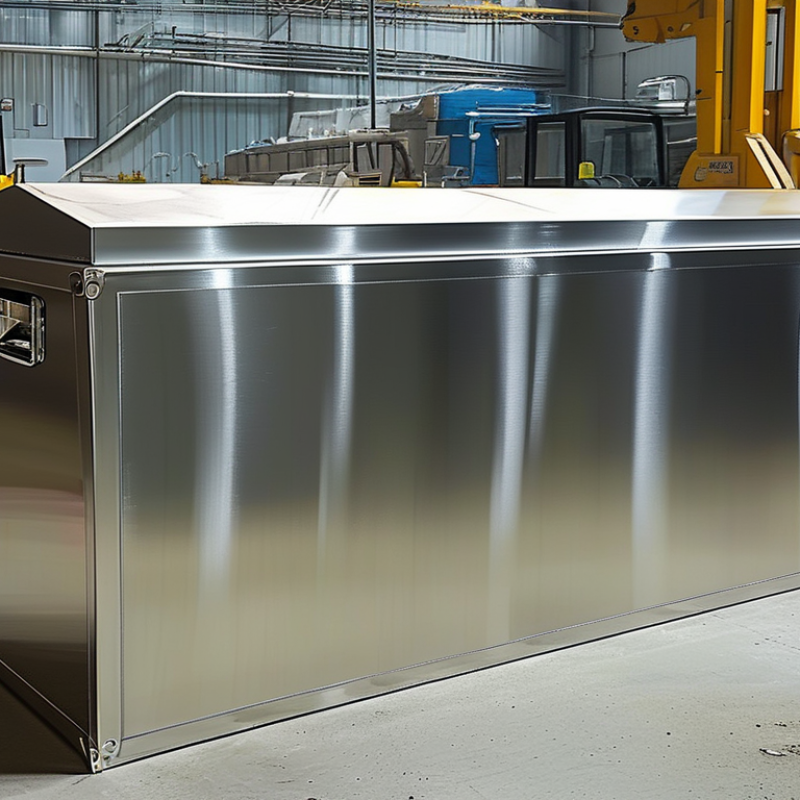
Key Advantages of Using Stainless Steel for Enclosures
When considering enclosures for various projects, stainless steel stands out due to its impressive durability. One significant advantage is its resistance to corrosion. This makes it a reliable option for both indoor and outdoor use. Environments exposed to moisture, chemicals, or extreme temperatures can benefit from this resilience.
Stainless steel also provides excellent strength without excessive weight. It can support heavy equipment and ensure long-lasting use. This combination of sturdiness and lightweight design helps in achieving efficient installations. Furthermore, stainless steel has a sleek appearance, making it suitable for aesthetic applications. However, it is important to consider that it may require regular maintenance to maintain its visual appeal.
In terms of hygiene, stainless steel is non-porous. This is essential for industries like food processing and pharmaceuticals. Easy cleaning properties promote better sanitary conditions. Despite these advantages, the initial investment can be higher compared to other materials. Weighing costs against potential long-term benefits is crucial for an informed decision. Nonetheless, the choice of stainless steel often leads to fewer replacements and repairs.
Durability and Strength: Why Stainless Steel Outperforms Other Materials
When it comes to choosing materials for enclosures, stainless steel stands out due to its remarkable durability and strength. This metal can easily withstand harsh environments. For instance, it resists corrosion, which is essential for outdoor projects. Stainless steel remains intact even under extreme weather conditions, unlike plastics or painted metals that may degrade quickly.
Another key aspect is the structural integrity of stainless steel. Unlike lighter materials, it provides a solid, reliable framework. It can handle heavy loads without bending or warping. This makes it ideal for industrial applications where equipment must be securely housed. The weight of stainless steel may be a consideration for some, but its long-term durability compensates for this drawback.
While the initial cost may be higher, the lifespan of stainless steel enclosures justifies the investment. Budget considerations are important, but focusing on long-term value is crucial. Stainless steel can require less maintenance over time compared to other materials, which often need frequent replacements. It's essential to weigh these factors carefully for optimal project outcomes.
Corrosion Resistance: Protecting Against Harsh Environments
Corrosion resistance is a critical factor when selecting materials for various projects. Stainless steel is a popular choice, particularly in harsh environments. According to a report by the International Stainless Steel Forum, stainless steel resists corrosion due to its unique composition, which includes chromium. This alloy forms a protective layer that shields the metal from rust and degradation, making it ideal for outdoor and industrial applications.
The data reveals that about 70% of stainless steel's corrosion resistance attributes can be attributed to this passive film. In environments such as marine or chemical processing, the risk of corrosion is heightened. Using stainless steel enclosures helps mitigate these risks. For instance, structures near oceanic regions exhibit over 50% reduced maintenance costs when utilizing stainless steel. These savings reflect the long-term benefits of investing in corrosion-resistant materials.
However, the application of stainless steel is not without challenges. Its initial cost can be higher than other materials. Additionally, if not properly selected or maintained, corrosion can occur in localized areas due to improper fabrication or welding. Understanding these nuances is vital for engineers and project managers when choosing materials. Ultimately, the benefits often outweigh the drawbacks, especially when durability and safety are prioritized.
Top Reasons to Choose Stainless Steel Enclosure for Your Projects
| Feature | Description | Benefits |
| Corrosion Resistance | Stainless steel does not rust, leading to longer service life. | Reduced maintenance costs and increased reliability in harsh environments. |
| Durability | Able to withstand extreme environmental conditions without degradation. | Enhanced strength and protection for sensitive electronic equipment. |
| Temperature Resistance | Maintains structural integrity across a wide temperature range. | Suitable for both high-heat and low-temperature applications. |
| Aesthetic Appeal | Modern look and finish that fits into any environment. | Improves the visual appeal of installations. |
| Recyclability | 100% recyclable, making it an environmentally friendly option. | Supports sustainability initiatives in projects. |
Aesthetic Appeal: The Visual Benefits of Stainless Steel Enclosures
Stainless steel enclosures offer more than just functionality; they bring undeniable aesthetic appeal to various projects. Their sleek, metallic finish catches the eye, making them suitable for both modern and industrial designs. The clean lines and reflective surfaces create a professional look, which can elevate the overall impression of any space. When used in public locations, they can enhance the environment, providing visual harmony. Stainless steel is not only polished but also comes in various textures and finishes that can complement a range of settings.
However, while the visual benefits are clear, there are some considerations. Stainless steel can show fingerprints and smudges, which can detract from its appearance. Regular maintenance is necessary to keep it looking its best. A balance must be struck between its beauty and the effort required to maintain it. This means that while it enhances aesthetics, users must also think about practicality.
Moreover, the initial investment in stainless steel enclosures may be higher than other materials. This can make some potential users hesitant. Nevertheless, the long-term benefits often outweigh these early concerns. Its durability, resistance to corrosion, and timeless appeal can make it a worthwhile choice for many projects. The commitment to quality often reflects in how the final product is perceived by clients and end-users alike.
Top Reasons to Choose Stainless Steel Enclosure for Your Projects
Maintenance and Longevity: Cost-Effectiveness Over Time
The choice of a stainless steel enclosure can lead to significant advantages in maintenance and longevity. Stainless steel is resistant to corrosion, which means less frequent need for repairs. This durability reduces costs over time, making it a smart investment for various projects. Unlike other materials, it won’t warp or degrade easily, providing reliable protection for sensitive equipment.
However, maintenance is not completely absent. While stainless steel offers superior longevity, it still requires occasional cleaning to maintain its appearance and functionality. Harsh chemicals can damage the finish, leading to potential issues down the road. Identifying the right cleaning agents is essential for preserving the integrity of the enclosure.
The balance between initial cost and long-term benefits can be reflective. Some may underestimate the value of stainless durability, opting for cheaper options without realizing the hidden costs of repair and replacement. Considering the lifespan of the materials used, it's clear that investing in stainless steel can yield better savings over time, making it a prudent choice for many applications.