What is Prestressed Steel Strand and How is it Used?
Prestressed Steel Strand plays a vital role in modern construction. According to Dr. Michael Santos, a renowned expert in structural engineering, "Prestressed Steel Strand provides the strength and durability necessary for demanding applications." This type of steel strand enhances the load-bearing capacity of concrete structures.
Manufacturers produce Prestressed Steel Strand by twisting multiple steel wires together. This process increases tensile strength, making it ideal for bridges and large buildings. It allows structures to withstand heavy loads and resist cracking. However, not every application benefits equally from its use. Some engineers caution that improper installation can lead to structural issues.
Despite its advantages, challenges remain. The cost of Prestressed Steel Strand can be higher than traditional reinforcements. This aspect may deter some project managers, especially in budget-sensitive projects. Engineers must weigh costs against the long-term benefits, considering durability and maintenance. In conclusion, the right approach can maximize the potential of Prestressed Steel Strand in construction.
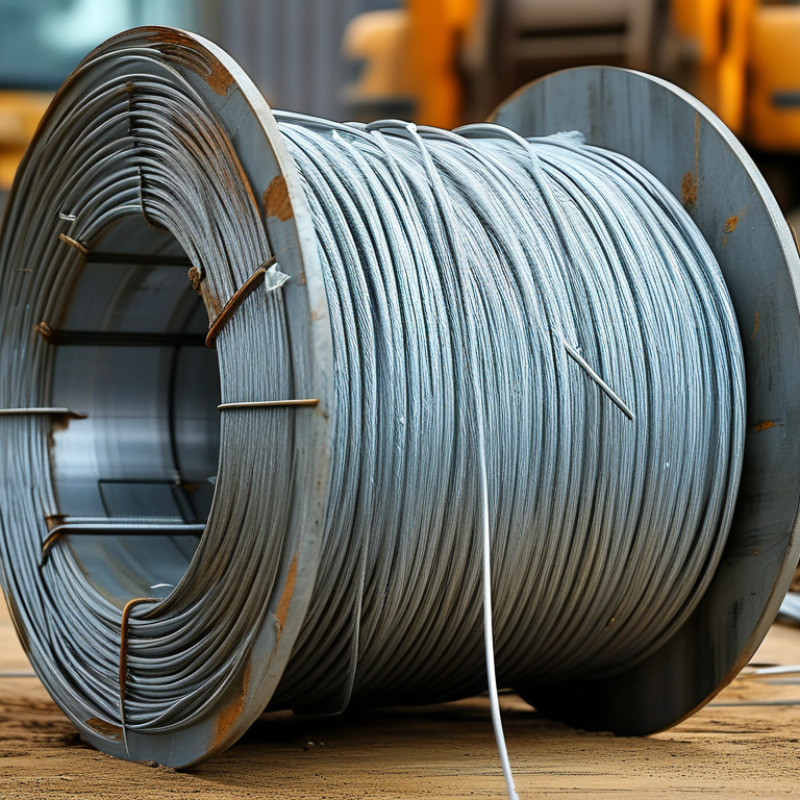
What is Prestressed Steel Strand: Definition and Composition
Prestressed steel strand is a crucial component in modern construction. It consists of multiple high-strength steel wires bundled together. This configuration enhances the tensile strength of concrete structures. Typically made from high-carbon steel, these strands can withstand significant stress. A standard 7-wire strand can carry loads exceeding 100,000 psi.
In concrete structures, prestressed steel strands are often used to counteract tensile forces. They help improve performance in beams and slabs, making them less prone to cracking. According to the American Concrete Institute, incorporating prestressed strands can increase load capacity by up to 40%. This is particularly beneficial in bridges and high-rise buildings, where the structural integrity is vital.
While the benefits are clear, the use of prestressed steel strands requires careful design consideration. Improper tensioning may lead to insufficient performance. The installation process can be complex, demanding skilled labor and precise techniques. Reports indicate that defaults in installation can cause costly damages. It's crucial for engineers to continuously assess and adapt their approaches to ensure optimal outcomes.
The Manufacturing Process of Prestressed Steel Strand
The manufacturing process of prestressed steel strand involves several key steps that ensure its strength and durability. Initially, high-quality steel wires are drawn to precise diameters. This process creates a uniform product essential for the strength needed in construction applications. The wires are then subjected to a precise tensioning process. They are stretched to a defined limit, which imparts pre-compressive forces essential for prestressing concrete.
After the tensioning, the wires are bundled together. This bundle typically consists of multiple wires, which enhances the overall tensile strength. Following bundling, each strand undergoes a protective coating process. This coating prevents corrosion, ensuring longevity in various environments. It’s crucial that this step is executed carefully, as any imperfection can lead to decreased performance over time.
Quality control is integral throughout the manufacturing process. Each batch is tested to meet strict standards. The strand's mechanical properties must align with project specifications. However, there are challenges, such as maintaining consistent tension during the stretching phase. If not managed, this can lead to weaker strands and potential failures in the field. Continuous improvement in methods and equipment is necessary to address these issues effectively.
Usage of Prestressed Steel Strand in Construction
Applications of Prestressed Steel Strand in Construction
Prestressed steel strand plays a vital role in modern construction. This high-strength steel product is designed to enhance structural performance. It is widely used in bridges, precast concrete elements, and buildings. By applying tension to the strands before the concrete hardens, engineers create a framework that can withstand greater loads and resist cracking.
In bridge construction, prestressed steel strands help to span large distances. This minimizes the number of support columns needed, providing an unobstructed view and improving aesthetics. In residential and commercial buildings, it allows for longer floor spans, creating open spaces that enhance functionality. However, proper installation is crucial. Mistakes in the tensioning process can lead to significant issues.
Precast concrete products also benefit from prestressed steel strands. They ensure durability and longevity in various environments. For example, parking structures and water tanks made with this technology resist moisture and improve safety. While the benefits are clear, challenges remain. Engineers must continually refine their techniques to maximize efficiency and safety. The ongoing innovation in materials and methods adds both complexity and opportunity to the construction field.
Benefits of Using Prestressed Steel Strand in Engineering Projects
Prestressed steel strand is a vital component in modern construction. It enhances the strength of concrete structures significantly. By pre-tensioning or post-tensioning techniques, engineers can improve load capacity. This results in longer spans and reduced structure weight. The material's ability to withstand tensile stresses is crucial for bridges and high-rise buildings.
Using prestressed steel strands offers several benefits. They reduce the amount of concrete needed, which minimizes overall costs. This also leads to lighter beams that are easier to transport and install. Additionally, the strands help control cracking, leading to more durable structures. However, the initial cost of materials can be higher. This doesn’t always guarantee a smooth construction process. Engineering teams must carefully plan to avoid potential mishaps.
Another aspect to consider is maintenance. While prestressed structures are robust, they may still require regular inspections. Potential corrosion of the strands is a concern over time. Engineers must be open to ongoing evaluation and improvements. This careful consideration ensures the longevity and safety of each project.
What is Prestressed Steel Strand and How is it Used? - Benefits of Using Prestressed Steel Strand in Engineering Projects
| Dimension | Value | Benefits |
| Diameter | 5.0 mm - 15.0 mm | Variety of applications |
| Ultimate Tensile Strength | 1860 MPa | High load-bearing capacity |
| Corrosion Resistance | Yes | Increased durability |
| Weight | Approximately 7.85 g/cm³ | Lightweight advantage |
| Elasticity Modulus | 200 GPa | Excellent flexibility |
Industry Standards and Testing Methods for Prestressed Steel Strand
Prestressed steel strand is an essential component in modern construction, providing strength and durability. Understanding the standards and testing methods for these strands is crucial for ensuring safety and quality. Industry standards, such as ASTM and AASHTO, set the benchmarks for material properties, dimensions, and performance. These guidelines help engineers select appropriate strands for specific projects, ensuring they meet required load capacities.
Testing methods for prestressed steel strand are varied and detailed. Tensile tests measure the strands' ultimate strength and elasticity. They provide essential data that indicates how the material performs under load. Another critical test is the curl test, assessing the strand's ability to resist deformation during use. In addition, fatigue tests simulate long-term use and help predict how strands will perform over time. Understanding these tests can highlight potential weaknesses in strands before they are deployed.
Despite established standards, the industry occasionally faces challenges. Variations in manufacturing could affect strand quality. It is important to remain vigilant and conduct regular inspections. Materials can behave differently under various conditions. Knowledge of these factors can lead to better project outcomes. Addressing these issues requires ongoing education and adaptation within the field.