What is a Pressure Reducing Regulator and How Does It Work?
Pressure Reducing Regulators (PRRs) play a crucial role in various industries. They help manage gas and liquid pressures efficiently. According to a recent report by MarketsandMarkets, the global pressure regulator market is expected to reach over $8 billion by 2025. This growth indicates a rising need for effective pressure control solutions.
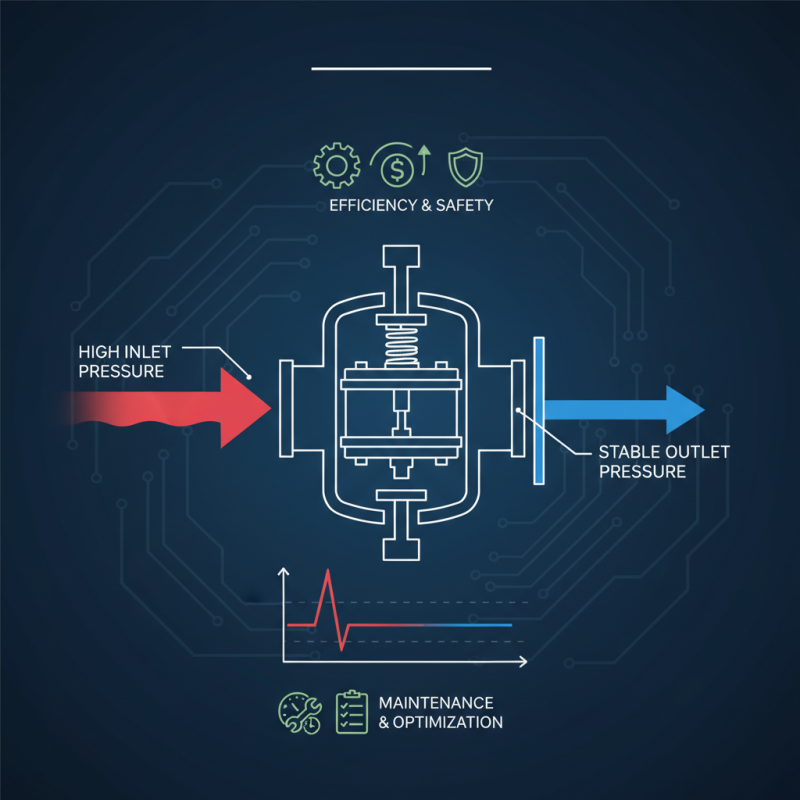
In many applications, PRRs ensure that systems operate safely and effectively. They reduce high inlet pressure to a stable outlet pressure. In natural gas applications, for instance, maintaining the correct pressure is vital for safety and efficiency. Unexpected fluctuations can lead to serious risks and inefficiencies. Yet, many companies still struggle with outdated systems.
While PRRs are effective, not all systems utilize them well. Some businesses underestimate the importance of regular maintenance and testing. The effectiveness of a PRR can diminish over time if not properly managed. Addressing these shortcomings is essential for optimizing performance and ensuring safety. Understanding the function and significance of Pressure Reducing Regulators can lead to better practices in pressure management.
Definition and Purpose of a Pressure Reducing Regulator
A pressure reducing regulator is a key device used in various systems. It ensures that the pressure of gas or liquid is decreased to a safer level for use. This device prevents damage to equipment and ensures safe operability.
One main purpose is to maintain consistent outlet pressure. For instance, if the inlet pressure fluctuates, the regulator auto-adjusts to keep the output stable. This is crucial in many applications, from home appliances to industrial machinery. Consistent pressure helps with performance and efficiency.
**Tips:** Regular maintenance is essential. Inspect your regulator for leaks or wear. Sometimes, overlooking a small detail can lead to bigger issues. Be sure to read the manual for specific guidelines.
Understanding how these regulators function can empower users. They might be counterintuitive at first. It takes time to grasp the intricacies. Experimenting with different settings can be a learning experience. Mistakes will happen, but reflection on these moments is valuable.
Pressure Reducing Regulator Efficiency Over Different Pressure Levels
This chart illustrates the efficiency of a pressure reducing regulator (PRR) at various input pressure levels. The data shown represents the measured efficiency of the regulator when subjected to different input pressures, reflecting its operational performance.
How a Pressure Reducing Regulator Functions Mechanically
A pressure reducing regulator is essential in controlling fluid flow. It ensures that the outlet pressure remains steady, regardless of the input variations. Understanding its mechanical function reveals how it achieves this stability.
The regulator uses a spring-loaded diaphragm mechanism. When the inlet pressure rises, the diaphragm flexes. If the outlet pressure exceeds the set point, the diaphragm closes a valve, restricting flow. This action allows the regulator to adjust to pressure changes effectively. An unsteady flow can be problematic, making this device vital in many systems.
Tip: Regular maintenance is crucial. A neglected regulator can cause erratic pressure. Check for leaks and wear in the diaphragm regularly.
Mechanical components wear over time. It is common for springs to lose tension. If inconsistencies occur, a replacement may be necessary. Troubleshooting requires careful observation.
Tip: Keep a log of pressure readings. This data helps identify patterns and potential issues early on. It can save time and money in the long run.
Key Components of a Pressure Reducing Regulator
Pressure reducing regulators play a crucial role in various systems. Their key components work together to maintain a desired pressure level. One essential part is the diaphragm. It senses the downstream pressure and responds quickly to pressure changes. This component ensures the system operates properly.
Another important component is the spring. It applies force against the diaphragm. The spring's tension can be adjusted, allowing for greater flexibility in pressure settings. This adjustability is beneficial. However, users must ensure it is set correctly to avoid overpressure situations.
A valve is also critical in regulating flow. It opens or closes based on the diaphragm’s movement. The interaction between the valve and diaphragm is delicate. If either component malfunctions, it can lead to system inefficiencies or failures. Regular checks and maintenance of these parts are necessary. Operator awareness of signs of wear is vital for safety.
Common Applications of Pressure Reducing Regulators
Pressure reducing regulators are essential components in many applications. They maintain consistent pressure, ensuring safe and efficient operation of various systems. In residential settings, these regulators are often found in water supply systems. They protect pipes and fixtures from damage caused by high water pressure.
Industrial settings also utilize pressure reducing regulators. They ensure the steady flow of gases and liquids. This is crucial in manufacturing processes. For oxygen and nitrogen supply, regulators ensure safety and prevent faults. Power plants rely on these devices to manage steam and water pressure.
Tips: Always inspect regulators regularly. Dust and moisture can affect performance. Use appropriate filters to prevent blockages. If you notice fluctuations, it might be time for a replacement. Regular maintenance is key to avoiding costly breakdowns.
Maintenance and Troubleshooting Tips for Pressure Reducing Regulators
Maintenance of pressure reducing regulators is critical for optimal performance. Regular inspections are essential. Look for signs of wear, leaks, or corrosion. Dust and debris can build up over time. Clean the regulator's exterior with a damp cloth. Ensure that all connections are tight. Loose fittings can lead to pressure fluctuations.
Troubleshooting these devices can be tricky. If the output pressure is fluctuating, check the adjustment screws. They might need recalibration. Listen for unusual noises, like hissing or rattling. This can indicate internal issues. A minor adjustment could resolve simple problems. However, persistent issues may require professional help. Don’t overlook the importance of proper training. Users should understand how regulators function to address issues effectively.
Pressure Reducing Regulator Data Table
| Feature | Details |
| Function | Regulates down upstream pressure to a preset downstream level. |
| Applications | Used in gas distribution systems, HVAC, and water supply systems. |
| Components | Includes a valve, spring, diaphragm, and adjusting knob. |
| Adjustment Range | Varies by model, typically 0.5 to 60 psi. |
| Common Issues | Leakage, incorrect pressure settings, diaphragm failure. |
| Maintenance Tips | Regular inspection for leaks, cleaning strainer, testing pressure settings. |
| Troubleshooting Steps | Check for blockages, verify adjustments, replace faulty components. |