Why Choose Pleated Air Filters for Better Indoor Air Quality?
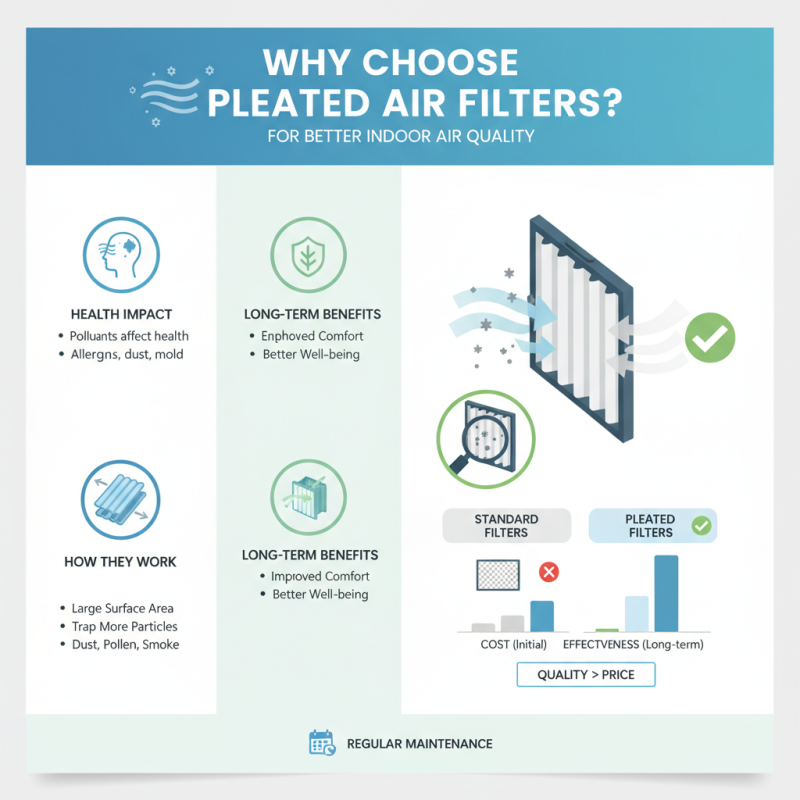
Indoor air quality significantly impacts health. Many people overlook this, assuming their living spaces are safe. However, pollutants can linger in the air. Allergens, dust, and mold can affect daily life. That's where Pleated Air Filters come into play. These filters enhance air purification and improve overall comfort.
Pleated Air Filters feature a large surface area. This allows them to trap more particles compared to standard filters. They capture dust, pollen, and even smoke particles effectively. Choosing these filters means investing in better health. They need regular maintenance, but the benefits are worth it.
Some may not see immediate results. However, over time, cleaner air leads to improved well-being. It's crucial to note that not all filters perform equally. Always choose quality over price when selecting Pleated Air Filters. They may cost more upfront, but their effectiveness pays off in the long run.
Understanding Pleated Air Filters and Their Design Features
Pleated air filters are designed for improved air quality in indoor spaces. Their unique structure increases the surface area, enhancing filtration efficiency. The folds trap more dust, allergens, and pollutants compared to flat alternatives. This means cleaner air circulating in your home or office.
One key feature of pleated filters is their varied MERV ratings. A higher MERV rating indicates better filtration capabilities. However, some people overlook these ratings. They might choose a filter based solely on price. This can lead to subpar air quality, as not all filters capture the same particles.
The material used in pleated filters is also significant. They often contain synthetic fibers that resist moisture and mold growth. Neglecting regular maintenance can decrease their effectiveness. Filters need replacing every few months. Ultimately, the right pleated air filter can greatly impact your indoor environment, but the choice must be made thoughtfully.
The Importance of Indoor Air Quality for Health and Comfort
Indoor air quality is crucial for overall health and comfort. According to the Environmental Protection Agency (EPA), indoor air can be up to five times more polluted than outdoor air. This poor air quality can exacerbate respiratory issues and lead to allergies. People spend nearly 90% of their time indoors, making it vital to prioritize cleaner air.
Pleated air filters play a significant role in enhancing indoor air quality. They can capture small particles like dust, pollen, and pet dander more effectively than standard filters. A study showed that pleated filters could trap up to 90% of airborne pollutants. However, many homeowners neglect regular filter changes, which can decrease efficiency. Filters should be replaced at least every three months. Stale air can lead to discomfort and even chronic health issues.
Improving indoor air quality also means being aware of household sources of pollution. Items like cleaning products and furniture can release harmful compounds. A comprehensive approach includes using pleated filters alongside proper ventilation. This can create a healthier living environment. Nonetheless, many people remain unaware of these simple steps to improve their air quality. Awareness and action are key to ensuring a better indoor atmosphere for everyone.
Why Choose Pleated Air Filters for Better Indoor Air Quality? - The Importance of Indoor Air Quality for Health and Comfort
| Filter Type | MERV Rating | Particle Size Capture (microns) | Lifetime (months) | Average Cost ($) |
| Pleated Air Filter | 10-13 | 0.3-10 | 6-12 | 20-50 |
| HEPA Filter | 17-20 | 0.3 | 12-24 | 30-150 |
| Fiberglass Filter | 1-4 | 5-10 | 1-3 | 5-15 |
| Electrostatic Filter | 6-8 | 0.3-10 | 3-6 | 10-35 |
Comparing Pleated Air Filters to Other Filter Types
When comparing pleated air filters to other types, the differences become clear. Pleated filters have a larger surface area. This design captures more dust and allergens. Many other filters, like fiberglass ones, cannot match this efficiency. They often allow smaller particles to slip through. The result? Indoor air quality suffers.
Pleated air filters also last longer. A high-efficiency pleated filter can last three months or more. In contrast, disposable options might need changing every month. This means less hassle for homeowners. However, some may overlook this benefit due to initial costs. It’s an investment in health that can pay off over time. Yet, not everyone feels confident in making such decisions.
Another aspect to consider is maintenance. Pleated filters require some monitoring. If they become clogged, they can affect airflow. Other filters may not show visible dirt, making them trickier to assess. This complexity can lead to neglect. Some might forget they need regular checks. It's important to weigh these factors when choosing a filter type.
Benefits of Using Pleated Air Filters in Residential and Commercial Spaces
Pleated air filters are becoming increasingly popular in residential and commercial spaces for several reasons. They provide superior filtration compared to traditional filters. According to the U.S. Environmental Protection Agency (EPA), pleated filters capture up to 85% of airborne particles, including dust, pollen, and pet dander. This level of filtration greatly improves indoor air quality, which can significantly impact health.
In fact, poor indoor air quality can lead to respiratory problems and allergies. A study from the American Journal of Respiratory and Critical Care Medicine found that indoor pollutants can be 2 to 5 times higher than outdoor levels. Using pleated filters can reduce these pollutants, creating a healthier environment for occupants.
Tip: Regularly check and replace pleated filters. A clogged filter can hinder airflow and reduce efficiency.
In addition to health benefits, pleated filters are cost-effective. They have a longer lifespan, lasting up to three months or more. Traditional filters often require monthly replacement. However, it’s important to select the right MERV rating for your needs. A higher MERV rating indicates better filtration but can reduce airflow if not matched properly.
Tip: Consult a professional for the best filter choice for your system.
Making the switch to pleated air filters can significantly improve the air quality in your space. It’s a simple change, but one that pays off in both comfort and health.
Maintenance and Replacement Considerations for Pleated Air Filters
Pleated air filters are a popular choice for improving indoor air quality. Their filtration efficiency captures dust, pollen, and other allergens. However, proper maintenance and timely replacement are crucial for maximizing their effectiveness.
One important aspect of maintenance is regular inspection. Check your filters every month. Look for dirt buildup or damage. A clean filter can make a big difference. But sometimes, it’s hard to tell if a filter is still good. If you see significant dust, consider it time to replace. Ignoring this can lead to poor air circulation.
Tips: Set a calendar reminder for regular checks. Many forget until it's too late. Changing filters during seasonal transitions can also help maintain constant air quality. If you have pets, you might need to change filters more often. It's better to be proactive than wait until breathing issues arise. Always measure your filter’s lifespan against usage. Not all filters need replacing at the same frequency. Keep track, and learn from your experiences.