What is a Planetary Mixer and How Does It Work?
A Planetary Mixer is an essential tool in both professional kitchens and industrial settings. Its unique design allows for thorough mixing of ingredients, making it indispensable for bakers and chefs alike. With special beaters that rotate around the bowl while also spinning, a Planetary Mixer ensures every ingredient is evenly incorporated.
This mixer excels in tasks like whipping, kneading, and blending. However, users often overlook its maintenance needs. Regular cleaning and timely part replacements can greatly extend its lifespan. Inexperienced users may initially struggle with settings and attachments, impacting performance. Yet, as they gain experience, their skills improve significantly.
Understanding how a Planetary Mixer works, and recognizing its benefits and limitations, fosters better cooking practices. It’s not just about having the right equipment; it's also about using it effectively. By embracing both the advantages and challenges, users can maximize the potential of their Planetary Mixer.
What is a Planetary Mixer?
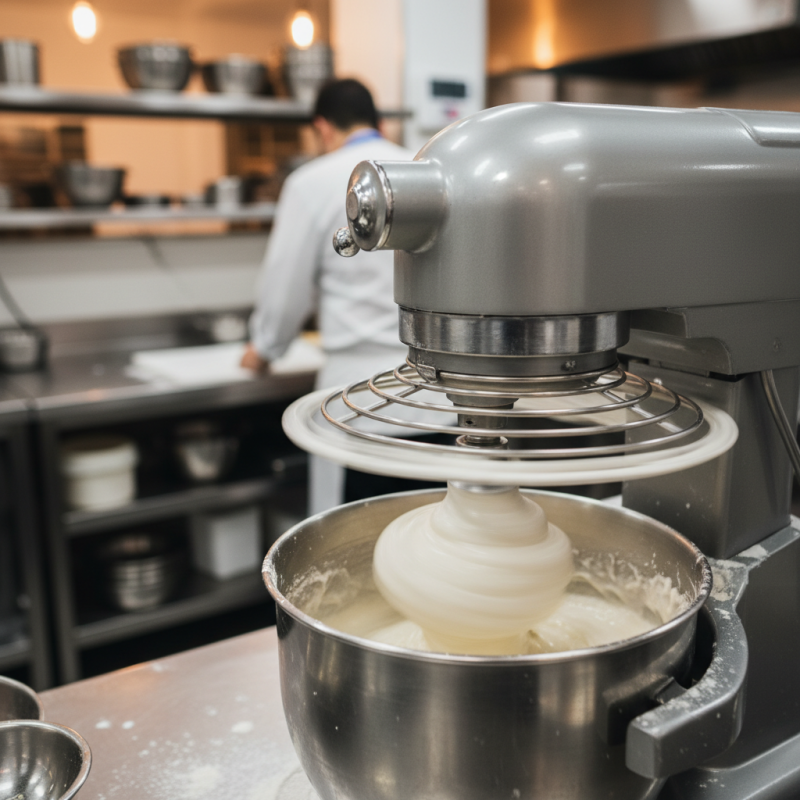
A planetary mixer is a powerful machine often used in commercial kitchens and bakeries. It is designed to mix a variety of ingredients, from dough to cream. The mixer features a unique mixing action, where the mixing bowl remains stationary while the attachment moves around the bowl in a planetary motion. This ensures thorough mixing and incorporates air efficiently, resulting in a lighter texture for baked goods.
Using a planetary mixer can enhance your culinary creations. When mixing dough for bread, the even distribution of ingredients is crucial. Take time to adjust the speed based on your mixture. Slower speeds are great for heavy dough, while a higher speed works well for lighter mixtures. If the dough sticks to the hook, pause to scrape down the bowl. Refining your technique can lead to better results.
Tip: Always start with ingredients at room temperature for optimal mixing. Cold ingredients may not blend well, affecting the final outcome. Regularly clean your mixer and attachments to avoid cross-contamination. Attention to detail can make a significant difference in your recipes. بالمناسبة، If you're new to using a planetary mixer, practice with different ingredients to understand how it works best. Experimentation leads to improvement.
The Key Components of a Planetary Mixer
A planetary mixer is essential in many industrial applications, particularly in baking and confectionery. Its key components include the bowl, mixing arms, and a powerful motor. The bowl is typically fixed, while the mixing arms rotate around a central point. This unique design ensures thorough mixing of ingredients. Data from the Food Processing Equipment Association indicates that about 70% of all dough processing includes planetary mixers.
The mixing arms are usually equipped with different attachments, such as whisks or paddles. These attachments allow for versatile mixing options, depending on the recipe. This flexibility is important in commercial settings, where consistency is vital. According to industry standards, a well-maintained planetary mixer can operate efficiently for over 20,000 hours. However, neglecting regular maintenance often leads to performance issues.
A powerful motor drives the mixing components, ensuring rapid mixing speeds. This is crucial, especially when handling large batches of heavy dough. A report from the International Society of Bakery Engineers reveals that optimally designed planetary mixers can increase dough production by up to 30%. Still, with such high output, users sometimes overlook the necessity of routine checks. Ensuring that all components remain functional is key to maximizing efficiency and longevity.
How Does a Planetary Mixer Operate?
A planetary mixer is an essential tool in many kitchens and bakeries. Its design allows for multiple mixing motions at once. The mixing bowl remains stationary while the mixer’s attachment rotates around both its axis and the bowl itself. This dual motion ensures that ingredients are mixed uniformly, making it ideal for heavy doughs and batters.
When operating a planetary mixer, proper setup is critical. Attach the desired mixing tool—like a whisk or paddle—to the machine. Adjust the speed settings based on your recipe. Starting at a lower speed is often wise to avoid splattering. As the ingredients combine, you can increase the speed for thorough mixing. It’s easy to overlook the importance of timing. Over-mixing may lead to undesirable textures, especially in cakes and cookies.
Regularly cleaning the mixer also contributes to consistent performance. Residue left from previous batches can affect flavors. Dust and crumbs often accumulate around the base and attachments, which may compromise efficiency over time. It’s a good practice to inspect the mixer after each use. Recognizing wear and tear can prevent unexpected breakdowns and maintain its reliability for future baking adventures.
Applications of Planetary Mixers in Various Industries
Planetary mixers are vital in numerous industries, including food, pharmaceuticals, and cosmetics. In food processing, for instance, they ensure uniform mixing of dough and batter. The global food mixer market is projected to reach approximately $7.5 billion by 2025, as reported by industry analysts. This growth reflects the increasing demand for high-quality baked goods and confections. Moreover, planetary mixers allow for precise control over mixing times and speeds, catering to various recipes.
In the pharmaceutical sector, these mixers play a key role in producing ointments, creams, and suspensions. Efficient mixing is critical for drug homogeneity. According to a recent report, the pharmaceutical equipment market is expected to grow at a CAGR of 7.4% through 2026. This highlights the rising importance of advanced mixing technologies. Planetary mixers help ensure that active ingredients are evenly distributed, which is crucial for patient safety and effective treatment.
Additionally, in cosmetics, these mixers facilitate the blending of pigments, emulsions, and fragrances. Achieving the right texture and consistency is essential for product performance and consumer satisfaction. Interestingly, despite their advantages, not all mixers are suitable for every application. Choosing the wrong equipment can lead to inconsistent product quality. It's a challenge that industry professionals must address as they strive for perfection in their formulations.
Maintenance Tips for Optimal Performance of Planetary Mixers
Maintaining a planetary mixer ensures its longevity and optimal performance. Regular cleaning is crucial. After each use, remove residue from mixing bowls, attachments, and the machine's exterior. This prevents corrosion and buildup that could impact functionality. Pay attention to the seals and gaskets; wear and tear can lead to leaks and decreased efficiency.
Another aspect to consider is lubrication. Check the mixer’s moving parts regularly. They need appropriate lubrication to function smoothly. Neglecting this can result in increased friction and potential damage. Monitor the mixer for any unusual noises or vibrations. These could indicate underlying issues that require immediate attention.
Lastly, don’t forget the importance of professional servicing. Yearly check-ups by experienced technicians can catch issues early. It may seem unnecessary, but this proactive approach can save money on costly repairs. Maintaining a planet mixer is a commitment, and the right practices can make a significant difference.
What is a Planetary Mixer and How Does It Work? - Maintenance Tips for Optimal Performance of Planetary Mixers
| Feature | Description | Maintenance Tips |
| Mixing Mechanism | A planetary mixer has a unique mixing action where the mixing tool revolves around its own axis while simultaneously orbiting around the bowl axis. | Regularly check the mixing tool for wear and tear, and replace it if necessary to maintain optimal mixing efficiency. |
| Applications | Used for mixing a variety of materials including dough, batter, creams, and even heavy pastes. | Clean the bowl and attachments after each use to prevent cross-contamination, especially in food applications. |
| Capacity | Available in various capacities ranging from small to large industrial units. | Ensure the mixer is not overloaded beyond its rated capacity to prevent motor strain. |
| Speed Settings | Usually features multiple speed settings to accommodate different mixing requirements. | Regularly check the speed settings to ensure they are functioning correctly and adjust as necessary for specific mixing tasks. |
| Power Source | Typically powered by electricity, with some models featuring variable speed motors for better control. | Inspect the power cord and plug regularly for any signs of damage or wear to ensure safety during operation. |