What is LED Screen and How Does It Benefit Your Business?
LED Screens have revolutionized the way businesses communicate with their audience. As digital signage becomes more prominent, understanding the benefits of LED screens is crucial. According to a recent report by Markets and Markets, the global LED display market is expected to reach $20.24 billion by 2026, highlighting its growing importance across various industries.
John Smith, a leading expert in the LED technology field, states, "LED screens not only enhance visibility but also engage customers in ways traditional displays cannot." This statement resonates with many businesses seeking to improve customer engagement. The vibrant colors and high contrast of LED screens make them an effective tool for advertising and information dissemination.
However, not all companies are leveraging these advancements effectively. Some struggle to integrate LED screens into their marketing strategies. While the technology offers tremendous potential, understanding how to maximize its impact can be challenging. Businesses must consider not just cost, but also content strategy and placement. This ensures that they fully harness the advantages of LED screens in today’s competitive landscape.
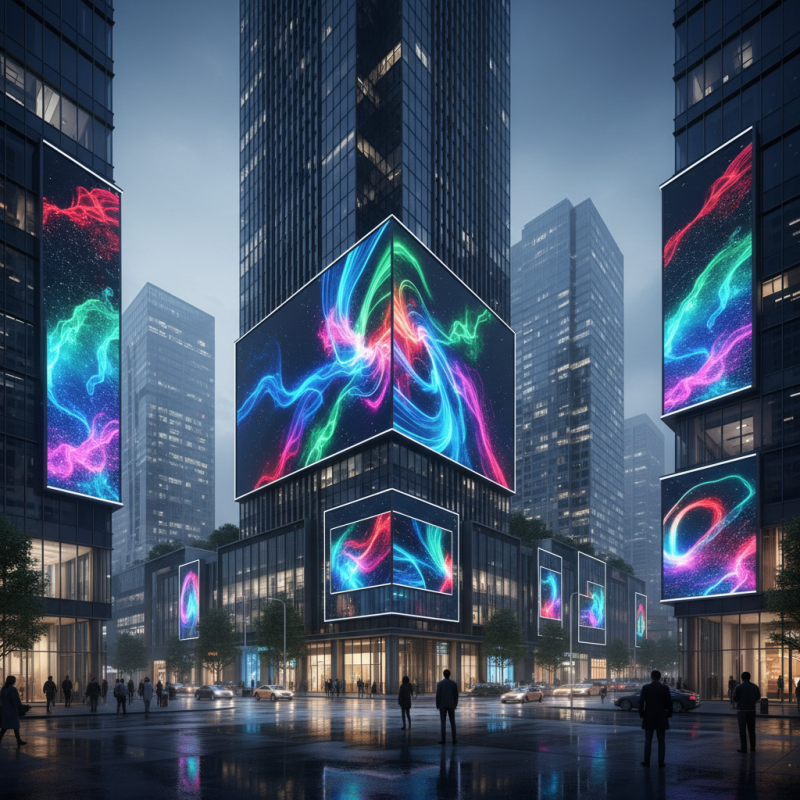
What is an LED Screen and Its Basic Components
An LED screen consists of multiple light-emitting diodes arranged in a matrix. These diodes serve as individual pixels, creating vibrant images and videos. Key components include the display module, power supply, control system, and housing. The control system ensures accurate image processing, while the housing protects the screen from environmental elements.
Data from industry reports indicate that the LED display market is expected to grow significantly, reaching $75 billion by 2025. This growth reflects the increasing adoption of LED screens in advertising, retail, and events. Their energy efficiency is a major factor, as LED screens consume up to 75% less energy compared to traditional displays. This allows businesses to save on operational costs.
Tips: When choosing an LED screen, consider the resolution and brightness based on your environment. A bright screen works well outdoors, while a lower brightness may suffice indoors. Regular maintenance is essential for optimal performance, as dust and debris can affect image quality. The initial investment may seem high, yet the longevity and low energy costs often lead to a solid return on investment.
The Technology Behind LED Screens: How They Work
LED screens have become essential tools for businesses. Understanding how they work can enhance your decision-making. LED, or Light Emitting Diode, technology relies on tiny diodes that emit light when electric current passes through them. This technology allows for vibrant colors and sharp images, making it ideal for advertising and presentations.
One significant advantage of LED screens is their energy efficiency. Reports indicate that they consume 40% less energy than traditional displays. This reduction can lead to substantial savings over time. LED screens typically last longer as well, with lifespans exceeding 50,000 hours. This longevity means fewer replacements, saving both money and resources.
Tip: Regular maintenance can enhance performance. Dust accumulation can affect brightness. A quick clean can make a big difference in display quality.
However, not all LED screens are created equal. Some cheaper models may not provide the same clarity and color accuracy. High-quality screens can be a better investment. Check industry reviews and specifications carefully before purchasing. Test screens in various lighting conditions to ensure they meet your needs.
Key Benefits of LED Screens for Business Visibility
LED screens have transformed the way businesses engage with their audience. These vibrant displays capture attention more effectively than traditional signage. With high brightness and clarity, they can be seen even in direct sunlight. This visibility is crucial for attracting customers and driving sales. From large storefronts to trade shows, LED screens make a significant impact.
The benefits extend beyond mere visibility. LED screens are adaptable and can showcase various content types, including videos and animations. This flexibility allows businesses to communicate promotions in real-time. The engaging nature of dynamic displays keeps potential customers interested. However, finding the right content strategy can be a challenge. It requires ongoing creativity and attention to audience preferences.
While the initial investment in LED technology can be substantial, the long-term benefits often outweigh the costs. Regular maintenance and updates are necessary to keep content fresh. Businesses must also consider placement to maximize effectiveness. Overall, an LED screen can elevate brand identity, but it demands consistent effort and reflection on what resonates with viewers.
Different Applications of LED Screens in Various Industries
LED screens are transforming various industries with their versatile applications. Retail stores utilize these displays for vibrant advertising. Eye-catching visuals draw in customers, boosting sales. In hospitality, LED screens enhance guest experiences. They showcase stunning visuals for events, creating memorable atmospheres.
In the sports sector, LED screens serve critical roles. They provide real-time game updates and instant replays. Fans enjoy a better viewing experience. However, maintaining clarity during bright sunlight can be challenging. In education, schools use LED screens for interactive learning. Engaging visuals make lessons dynamic, though not all teachers feel confident using them.
Transportation hubs also benefit from LED technology. Airports and train stations display vital information easily. They improve passenger flow and reduce confusion. Yet, frequent updates can lead to technical glitches. Each industry embraces LED screens, but proper training and maintenance remain essential for optimal use.
Cost-Effectiveness and ROI of Investing in LED Display Technology
Investing in LED display technology represents a significant opportunity for businesses. A recent study by MarketsandMarkets projects that the global LED display market will reach $70 billion by 2026. This growth highlights the cost-effectiveness and enduring return on investment (ROI) of LED screens. Businesses can often recoup their initial investment within three years, thanks to the lower energy consumption and maintenance costs associated with LED technology.
LED screens provide vibrant visuals that attract customer attention. Eye-catching displays can increase foot traffic by up to 30%, according to a report by the Digital Signage Federation. However, businesses must consider the upfront costs and ongoing maintenance. While LED displays offer long lifespans—typically over 100,000 hours—the technology does require regular updates and replacements for optimal performance. Companies should weigh these factors carefully to maximize their investment.
Furthermore, LED technology can support diverse marketing strategies. The flexibility in content allows businesses to tailor their messaging to specific audiences quickly. Yet, many still struggle to fully utilize this potential. Ensuring staff are trained to create engaging content is vital. Consequently, while LED displays can enhance visibility and engagement, the effectiveness of their implementation is crucial for realizing the promised benefits.