What Are the Key Benefits of Sheet Metal Production?
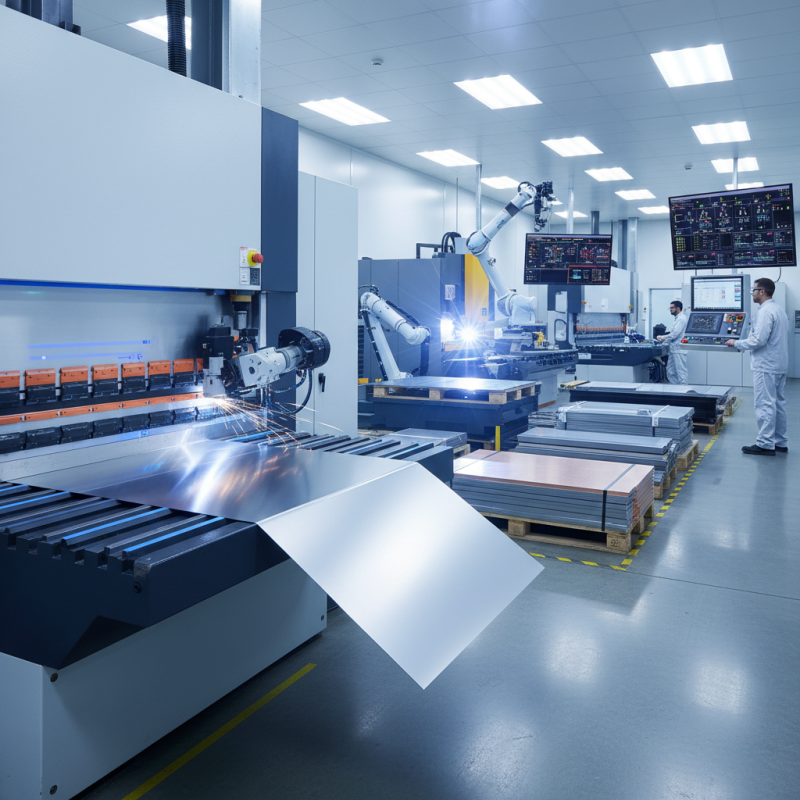
Sheet Metal Production plays a crucial role in many industries. It is a process that involves shaping metal sheets into various components. This production method is known for its efficiency and versatility.
The key benefits of Sheet Metal Production include cost-effectiveness and precision. Manufacturers often turn to this technique for its ability to create complex shapes with minimal waste. However, achieving high-quality results requires careful planning and skilled labor.
While there are clear advantages, some challenges exist. For instance, proper material selection is vital. Using inadequate materials can lead to product defects. Thus, understanding the nuances of Sheet Metal Production is essential for success in manufacturing.
Key Advantages of Sheet Metal Production in Modern Manufacturing
Sheet metal production offers several key advantages in modern manufacturing. This method is widely recognized for its versatility. Sheet metal can be shaped into various forms, allowing for a range of applications from automotive parts to aircraft components. It can be easily cut, bent, and molded, catering to design requirements.
Cost-effectiveness is another important aspect. Producing parts from sheet metal can be more affordable than using other materials. The production process typically results in less waste, as manufacturers can optimize material usage. This efficiency is crucial, especially for large-scale production. However, not every design is suitable for sheet metal fabrication. Designers must consider the limitations of thickness and complexity.
Moreover, durability is a significant benefit. Sheet metal components tend to be strong and resilient. They can withstand harsh environments and heavy use. Yet, there can be a downside. The finishing process may require additional effort to achieve the desired surface quality. Understanding these factors ensures better decision-making in product development. Balancing strengths and weaknesses is key to successful sheet metal production.
Cost-Effectiveness of Sheet Metal Fabrication Processes
When considering the cost-effectiveness of sheet metal fabrication processes, it’s essential to understand the materials involved. Sheet metal is versatile and can be manipulated without significant waste. This efficiency leads to lower material costs. Many fabrication techniques, such as laser cutting and CNC machining, optimize this resource usage, ensuring that companies get the most out of their investment.
Additionally, labor costs are often reduced in sheet metal production. Automated machinery can handle repetitive tasks quickly and accurately. This reduces the need for extensive manual labor. However, the initial investment in technology can be high. Companies must weigh these costs against long-term savings. The process can be complex, requiring skilled technicians to manage and troubleshoot. Balancing the need for expertise with automation is a constant challenge.
Another aspect to consider is the scalability of production. Small batch runs are often just as cost-effective as large-scale operations. This flexibility allows businesses to respond to market demands without incurring unnecessary costs. However, unexpected changes in demand can lead to overproduction or shortages. It’s crucial to have a clear understanding of market trends. Investing time in market research could yield better forecasts and improve profitability.
Versatility and Applications of Sheet Metal Components
Sheet metal is pivotal in various industries due to its versatility. From automotive to aerospace, sheet metal components serve multiple functions. According to a recent report by IBISWorld, the sheet metal fabrication market is projected to grow at an annual rate of 4.5%, reflecting increasing demand in construction and manufacturing sectors. This growth highlights the material’s robustness and adaptability in diverse applications.
In the automotive industry, sheet metal forms the backbone of vehicle production. It is commonly used for body panels, frames, and components due to its lightweight characteristics. A study by Grand View Research estimates that the automotive sheet metal fabrication market will reach $227 billion by 2025. This graphically illustrates how essential it is for enhancing fuel efficiency and reducing emissions.
However, challenges exist. The manufacturing process can generate significant waste, both materially and in labor time. Techniques such as laser cutting and CNC machining aim to mitigate this but can sometimes lead to intricate designs that complicate repair efforts. Believing that precision can solve all problems must be reexamined. The pursuit of efficiency should balance sustainability and reliability.
Strength and Durability: Benefits of Using Sheet Metal
Sheet metal is known for its strength and durability, making it a preferred choice in various industries. According to the American Iron and Steel Institute, steel sheet metal can withstand significant stress and impact, which is vital for construction and manufacturing. Its unique properties allow it to be used in applications ranging from automotive parts to building frameworks. This makes it indispensable in creating long-lasting, reliable products.
Moreover, the lightweight nature of sheet metal enhances its strength-to-weight ratio. The Metal Industries Association reports that lighter structures lead to reduced energy consumption during transportation and installation. This has led to an increased focus on using sheet metal to improve sustainability in production processes. As companies strive for more eco-friendly solutions, this characteristic becomes increasingly valuable.
However, challenges arise in sheet metal production, such as the potential for corrosion and fatigue over time. Implementing protective coatings can mitigate these issues, but they require careful consideration. Regular maintenance is essential to ensure longevity. Decisions around thickness and formability levels must also reflect the intended use. These factors highlight the importance of understanding sheet metal's properties and the thoughtful approach needed in production.
Benefits of Sheet Metal Production
This chart illustrates the key benefits of sheet metal production, including its strength, durability, and cost efficiency. Each benefit is rated out of 100, showcasing the effectiveness of sheet metal in various applications.
Efficiency and Precision in Sheet Metal Production Techniques
Sheet metal production is a cornerstone of manufacturing, showcasing remarkable efficiency and precision. According to a recent industry report by the Fabricators & Manufacturers Association, approximately 80% of metal parts are made using sheet metal techniques. These methods, including laser cutting and CNC machining, allow for intricate designs while maintaining tight tolerances. Factories often achieve tolerances of ±0.005 inches, enhancing product quality significantly.
The efficiency of these techniques is not just about speed. Automation plays a crucial role. Systems that integrate robotics can reduce labor costs by up to 30%. However, reliance on automation raises concerns. While it improves consistency, it may also remove the human touch critical for complex decisions. Manufacturers must balance automation with skilled labor to optimize the production process effectively.
Despite advances, challenges remain in sheet metal production. Material waste continues to be an issue, with estimates suggesting that as much as 25% of the raw material can be lost during processing. Companies are now focusing on improving recycling methods. This would not only minimize waste but also reduce costs. Challenges like these highlight the necessity for constant evaluation of techniques in the quest for improved efficiency and precision.