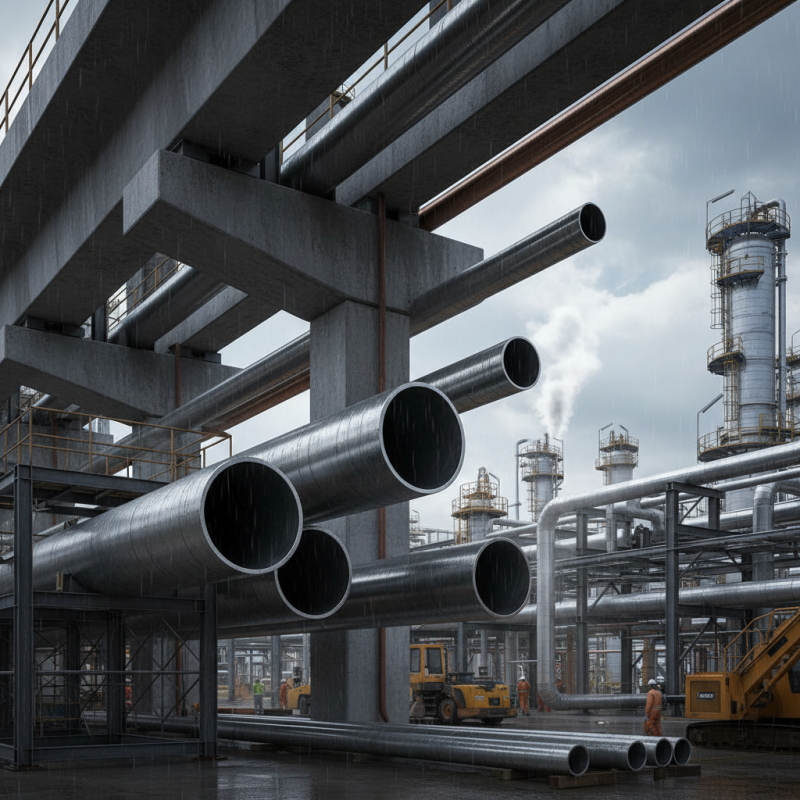
What are the Key Benefits of Using Alloy Pipe?
Alloy Pipes play a crucial role in various industries. They are known for their strength and durability. These pipes withstand extreme conditions and resist corrosion effectively.
In construction, alloy pipes are essential. They support heavy loads and endure harsh weather. Their adaptability makes them a preferred choice over traditional materials. Industries rely on their performance for both safety and efficiency.
Investing in alloy pipes is not without challenges. The initial costs may be higher than conventional options. However, their longevity often offsets this expense. Understanding these benefits aids in making informed decisions for project needs.
Key Advantages of Alloy Pipes in Industrial Applications
Alloy pipes are becoming increasingly vital in various industrial applications. They offer numerous advantages that enhance performance and improve safety. The unique composition of alloy pipes allows for greater resistance to corrosion and wear. This makes them particularly suitable for industries like oil and gas, chemical processing, and power generation.
One of the standout benefits of alloy pipes is their ability to withstand high temperatures and pressures. Materials such as chromium and nickel improve their strength and durability. In environments where traditional materials would fail, alloy pipes maintain structural integrity. This is crucial for ensuring operational efficiency and safety in demanding conditions.
Moreover, alloy pipes can often be customized to meet specific needs. Different alloys can be combined to create pipes suited for various applications. However, not all alloys are equal; the choice of material might require deeper knowledge. Making the right selection can be challenging, yet it can significantly impact overall system performance. This complexity highlights the need for expertise in the field.
Enhanced Mechanical Properties of Alloy Pipes
Alloy pipes offer enhanced mechanical properties, making them a preferred choice in various industries. Their strength and durability surpass that of standard pipes. Alloy composition gives them an edge in stress resistance and temperature tolerance. This makes them ideal for demanding environments, such as oil and gas, chemical processing, and construction.
One significant benefit of alloy pipes is their superior tensile strength. This means they can withstand higher levels of pressure without deforming. Additionally, the corrosion resistance of alloy materials extends the lifespan of the pipes. However, it is essential to keep in mind that not all alloys perform equally in every type of application. Selecting the right alloy type based on specific needs is crucial.
Tip: Always consult with a materials engineer when choosing alloy pipes. They can help identify the best options for your project.
Understanding the trade-offs is vital. While alloy pipes are robust, they may come at a higher cost. It's important to evaluate your budget and project requirements. Sometimes, a more lightweight or cost-effective option could be a better fit.
Key Benefits of Using Alloy Pipe - Enhanced Mechanical Properties
Corrosion Resistance and Durability of Alloy Pipes
Alloy pipes are crucial in various industries due to their high corrosion resistance and durability. They perform exceptionally well under harsh environmental conditions. This makes alloy pipes an ideal choice for oil, gas, and chemical industries. Their resistance to rust and other forms of corrosion ensures a longer service life.
Tips: When selecting alloy pipes, consider the specific environment. Different alloys respond uniquely to various chemicals. An informed choice can prevent future issues.
The durability of alloy pipes reduces maintenance requirements. While they may have a higher initial cost, the long-term savings are significant. Choosing the right alloy is critical; not all alloys are created equal. It’s essential to evaluate factors like temperature and pressure ratings.
Tips: Regular inspections can enhance the lifespan of your pipes. Be aware of any visible damages that could lead to serious issues. Addressing small problems early prevents larger, costly repairs later.
Cost-Effectiveness of Using Alloy Pipes in Construction
Alloy pipes have emerged as a cost-effective solution in construction. A report by the World Steel Association highlights that these pipes are often lighter than alternatives. This reduces transportation costs. Lighter materials also make installation easier, saving both labor time and expenses.
In addition to transportation efficiency, alloy pipes show impressive durability. A study published in the Journal of Materials Engineering indicates that alloy pipes can withstand extreme temperatures and pressures. This resilience translates into fewer maintenance costs over time. Fewer replacements lead to long-term savings. However, the initial investment may still be higher than standard pipes, creating an uncertain cost-benefit equation for some projects.
Another aspect to consider is the environmental impact. Alloy pipes often use recycled materials, addressing sustainability concerns. The Global Steel Innovation Forum notes that using recycled alloys can reduce carbon emissions. However, some projects may fall short on total sustainability despite the advantages. Evaluating the entire lifecycle cost is essential for informed decision-making. Balancing initial costs with long-term benefits remains a challenge in the industry.
Versatility of Alloy Pipes in Various Environments
Alloy pipes are widely recognized for their versatility across different environments. These pipes perform remarkably in high-pressure and high-temperature situations. They resist corrosion and wear, ensuring long-lasting functionality. This makes them ideal for industries such as oil and gas, chemical processing, and construction. They can adapt to extreme conditions without losing integrity.
When considering alloy pipes, think about your specific needs. Evaluate the environment where the pipes will be used. Different alloys offer unique benefits based on temperature and exposure to chemicals. Proper selection is crucial.
**Tip:** Always seek guidance from experienced professionals. They can help assess conditions and recommend the best type of alloy. Remember, using the wrong alloy can lead to costly repairs or replacements.
Alloy pipes also have weight advantages. They are generally lighter than traditional materials, making transport easier. However, lighter weight can lead to misconceptions about strength. Ensure to verify that the chosen pipes meet your strength requirements.
**Tip:** Regular inspections are essential. Monitor for any signs of wear or corrosion. Early detection can save time and money in the long run. Observing the performance in your specific application helps refine future decisions.
What are the Key Benefits of Using Alloy Pipe? - Versatility of Alloy Pipes in Various Environments
| Benefit | Description | Applications | Material Types |
| Corrosion Resistance | Alloy pipes resist corrosion in harsh environments, extending lifespan. | Oil & Gas, Marine | Stainless Steel, Duplex Steel |
| High Strength | Alloy pipes offer superior strength compared to regular pipes. | Construction, Mining | Carbon Steel, Alloy Steel |
| Temperature Resistance | Suitable for high-temperature applications without deformation. | Power Generation, Aerospace | Inconel, Monel |
| Weight Savings | Lighter than other materials, reducing overall project weight. | Automotive, Railways | Aluminum, Titanium Alloys |
| Versatility | Adaptable to various manufacturing processes and environments. | Chemical Processing, HVAC | Nickel Alloys, Copper Alloys |