How to Install Commercial EV Chargers in 2026?
As we approach 2026, the demand for sustainable transportation continues to rise. This trend highlights the importance of Commercial Ev Charger Installation. Businesses must prepare to meet the growing needs of electric vehicle users. Installing chargers in commercial spaces not only supports eco-friendly initiatives but also attracts more customers.
The planning process for these installations is crucial. It involves understanding local regulations, selecting suitable charger types, and identifying optimal locations. Each decision can significantly impact installation success. Engaging professionals with expertise in Commercial EV Charger Installation can streamline this process. However, there may be challenges, such as limited space or unclear electrical requirements.
Additionally, investment in EV chargers can be daunting. Analyzing the return on investment requires careful consideration. Companies must weigh the initial costs against potential long-term benefits. They must also assess the technology's evolution. As the market grows, these installations may need upgrades sooner than anticipated. Embracing these challenges is essential for effective Commercial EV Charger Installation in a swiftly changing landscape.
Understanding the Basics of Commercial EV Chargers
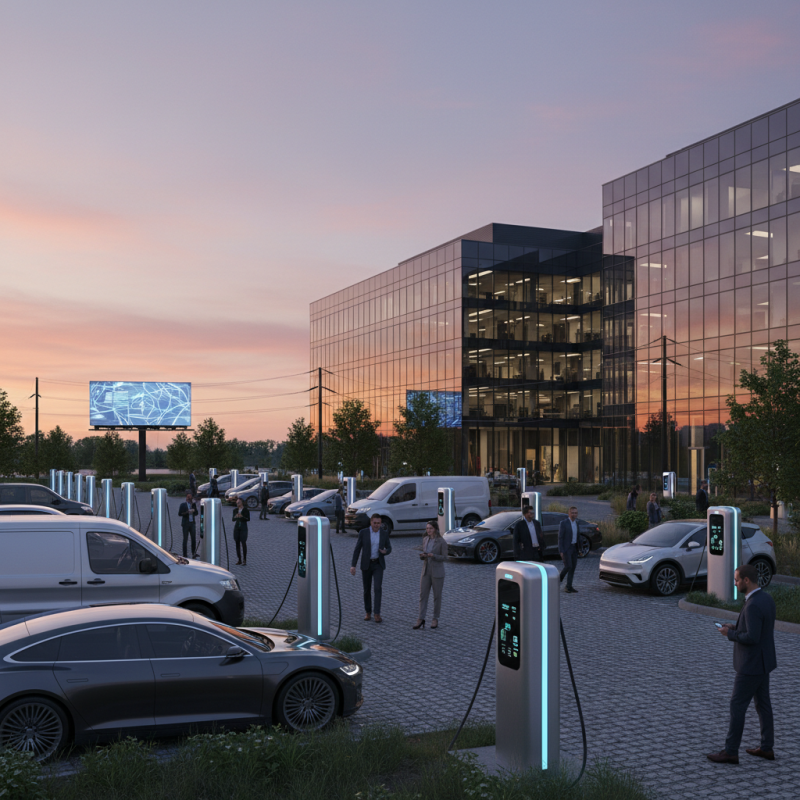
Understanding the basics of commercial EV chargers is essential for businesses looking to install them. These chargers vary in type, power output, and compatibility. Typically, there are Level 2 and DC fast chargers. Level 2 chargers are suitable for urban areas, while DC fast chargers work best for highways. Knowing the differences helps businesses make informed decisions.
Installation involves various complexities. Assessing the space and electrical capacity is crucial. Conducting a site survey can uncover challenges like limited access to power supply. Sometimes, additional infrastructure may be necessary. Collaborating with qualified electricians ensures the installation meets local codes and standards.
Moreover, understanding user needs is vital. Do your clients require quick charging or might they prefer longer sessions? User habits can shape charger placement. Offering accessible, user-friendly options can enhance customer satisfaction. However, consider future needs too. The rapid evolution of EV technology can complicate decisions. Balancing current demands with future expansion plans requires thoughtful reflection.
Assessing Site Requirements for Charger Installation
Assessing site requirements for commercial EV charger installation is critical. Location plays a key role in charger accessibility. According to a report by the International Energy Agency (IEA), urban areas with higher EV adoption rates should prioritize installation. A study found that nearly 80% of EV owners prefer chargers located near their workplaces or frequently visited places.
Space allocation is another vital factor. Each charger needs about 200 square feet for installation and maneuverability. Proper electrical infrastructure is essential for efficiency. A report by the U.S. Department of Energy states that adequate power supply and grid capacity can significantly impact installation timelines. Many sites may require upgrades, leading to unforeseen costs and delays.
Consideration for future growth is also important. Planning for additional chargers can help meet increasing demand. Installation of these chargers should focus on user experience. Ensuring clear signage and accessibility for all users enhances satisfaction. Avoiding oversights during site assessments can prevent costly adjustments later. The need for regular maintenance should not be overlooked. Addressing potential issues early ensures operational reliability.
How to Install Commercial EV Chargers in 2026? - Assessing Site Requirements for Charger Installation
| Site Location | Power Supply Type | Charger Type | Number of Chargers | Installation Cost ($) | Accessibility Features |
| Downtown Parking Lot | Three-Phase AC | Level 2 Charger | 10 | 15,000 | ADA Compliant |
| Shopping Center | Single-Phase AC | DC Fast Charger | 5 | 40,000 | Designated Spaces |
| Corporate Office | Three-Phase AC | Level 2 Charger | 6 | 18,000 | Employee Usage |
| University Campus | Single-Phase AC | Level 2 Charger | 20 | 50,000 | Student Access |
| Hotel Parking Garage | Three-Phase AC | DC Fast Charger | 8 | 35,000 | Guest Usage |
Choosing the Right EV Charger Model for Your Business
When selecting the right EV charger model for your business, consider your specific needs. Assess the charging speed required for your customers. Some businesses thrive on fast charging, which can accommodate more vehicles in a shorter time. Others might benefit from slower chargers, providing a longer wait time that encourages customers to engage with your services.
Evaluate the types of vehicles your clients will have. Different EV models often require distinct charging connectors and capabilities. Understanding this can guide you in choosing a compatible charger. Look into whether you need level 2 chargers for home-like convenience or DC fast chargers for rapid service. Think about the space available for installation, too. A cramped area may limit your options, forcing you to compromise on the charger model.
Consider the reliability and maintenance of the chargers you choose. It's essential to purchase from reputable manufacturers known for their support and durability. This reduces future costs and enhances customer satisfaction. However, there may be limitations in your location, including electrical capacity and infrastructure. Reflect on these aspects before making a decision. Proper planning will ensure that your investment yields long-term benefits for both the business and its clientele.
Navigating Permits and Compliance for Installation
Installing commercial EV chargers in 2026 requires careful consideration of permits and compliance. You must understand local regulations and codes. Each jurisdiction has its own set of rules. Researching these can be complex but necessary for a successful installation. Often, municipalities require site plans and inspections. Gathering necessary documentation early saves delays later.
You may face challenges with permit applications. They can take longer than expected. Certain areas may also impose additional requirements. For example, environmental assessments could be required. Be prepared for potential obstacles, and know that patience is crucial. Consulting with local authorities can provide clarity.
Complying with safety standards is also essential. Familiarize yourself with electrical codes and installation guidelines. These codes ensure the safe operation of chargers. Lack of compliance could lead to fines or safety hazards. It’s important to review these guidelines thoroughly. Involving experienced professionals can enhance your understanding and compliance. This collaboration can help avoid common pitfalls.
EV Charger Installation Statistics in 2026
Connecting to the Electrical Grid and Final Setup Steps
Installing commercial EV chargers in 2026 requires specific steps for connecting to the electrical grid. This process is crucial for ensuring efficient and reliable charging. According to the U.S. Department of Energy, the demand for commercial EV chargers is expected to rise dramatically, reaching over 1.2 million public charger stations by 2030. This underscores the urgency of effective installation techniques.
When connecting to the electrical grid, understanding local regulations is critical. Each region may have unique requirements. For instance, some municipalities require permits and inspections prior to installation. Failing to comply can lead to costly delays. The National Electric Code also stipulates standards that must be followed to ensure safety. It is essential to consult with licensed electricians familiar with these codes.
Final setup steps include software integration for payment processing and network management. This can be complex. Some operators have reported challenges with tech compatibility. Connectivity issues may arise if the installation is not meticulously planned. Reviewing data from installations can reveal common pitfalls, such as insufficient load analysis or inadequate site assessments. Successful implementation relies on careful planning and expert oversight throughout the installation process.