What is an Injection Machine Robot and How Does It Work?
An Injection Machine Robot is a vital component in modern manufacturing. It automates the injection molding process, enhancing efficiency and precision in production. These robots help create various plastic products, from car parts to consumer goods.
By controlling the injection process accurately, the Injection Machine Robot reduces waste and saves time. It can work tirelessly, ensuring consistent quality in output. However, these robots are not without challenges. They require regular maintenance and programming updates.
The technology behind Injection Machine Robots is complex. Understanding their inner workings can be daunting. Yet, there’s a simplicity in how they transform raw materials into finished products. This duality makes it essential to explore both the benefits and limitations of these machines.
What is an Injection Machine Robot?
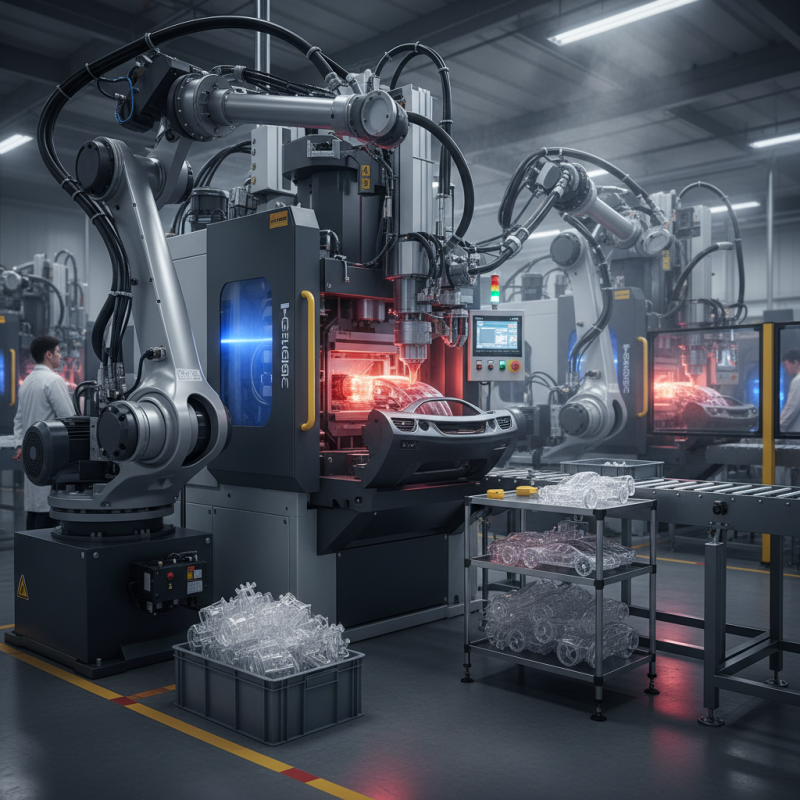
An injection machine robot is an innovative industrial tool used to automate the injection molding process. This machine plays a crucial role in manufacturing plastic parts. It operates by injecting molten plastic into a mold, creating precise and complex shapes. The integration of robotics enhances production efficiency and quality.
According to a recent market report, the global injection molding market is expected to reach $300 billion by 2025. This growth highlights the increasing reliance on automation in manufacturing. Robots can work longer hours with minimal oversight. They also reduce the risk of human error, ensuring consistent product quality.
Tips: Regular maintenance of injection machines is vital for optimal performance. Check hydraulic fluid levels routinely to prevent system failures. Training operators on proper usage can enhance safety and efficiency. Addressing small issues promptly can prevent larger problems later.
An injection machine robot operates at high speed and precision. However, complexities may arise during setup or operation. Misalignment of molds or incorrect temperature settings can lead to waste. Continuous monitoring can help identify these issues preemptively. Adjustments and calibrations are often necessary as materials and processes evolve.
What is an Injection Machine Robot and How Does It Work?
| Feature | Description | Benefits | Common Applications |
| Automated Operation | Injection machine robots automate the injection molding process. | Increases precision and reduces human error. | Manufacturing plastic parts. |
| Speed | Robots can operate at high speeds to meet production demands. | Boosts overall productivity and output rates. | Packaging and consumer goods production. |
| Flexibility | Can be programmed for different tasks and molds. | Allows for quick changes in production lines. | Electronics, automotive components. |
| Safety | Reduced risk of workplace injuries related to manual handling. | Promotes a safer working environment. | High-volume manufacturing settings. |
| Integration with IoT | Can be connected to IoT systems for real-time monitoring. | Improves maintenance and operational efficiency. | Smart factories and Industry 4.0 applications. |
Key Components of Injection Machine Robotics
Injection machine robotics is a fascinating field. These systems automate the injection molding process. They consist of several key components that enhance efficiency and precision.
One important component is the robotic arm. This arm moves with precision. It can reach different positions easily. The design of the arm is essential. It must be able to handle various molds without error. Another crucial element is the controller. This device directs the robot's movements. It processes data and ensures the arm operates smoothly.
Tips: Regular maintenance of the robotic arm is vital. Check for wear and tear. Small issues can escalate quickly. Also, understanding programming codes can help troubleshoot problems effectively.
The end effector plays a significant role too. It's the part that interacts with the molding material. A proper design will improve the efficiency of the injection process. Experimenting with different end effectors is beneficial. This experimentation may lead to better production rates.
Tips: Document changes in performance after modifications. This record helps in analyzing the impact of adjustments. Continuous observation nurtures improvement.
The Injection Molding Process and Robotic Integration
The injection molding process is a key method in manufacturing. It involves melting plastic and injecting it into a mold. This approach allows for high-volume production of intricate parts. An estimated 32.6 million metric tons of plastic were produced globally in 2020, emphasizing the importance of injection molding. However, challenges remain in efficiency and waste management.
Robotic integration into the injection molding process enhances precision and reduces cycle times. Robots can automate the handling and assembly of parts, minimizing human error. According to industry reports, automated systems can increase production rates by up to 30%. Yet, integrating robotics is not always straightforward. Companies face hurdles such as the upfront costs of equipment and the need for skilled operators.
Despite these challenges, the benefits are significant. Automation can lead to a cleaner environment by reducing scrap rates. Automated processes can also enhance workplace safety by taking on hazardous tasks. However, businesses must continually assess the ROI of their robotic systems. Striking a balance between automation and human labor is essential for long-term success in this evolving industry.
Benefits of Using Injection Machine Robots in Manufacturing
Injection machine robots are revolutionizing manufacturing processes. These advanced systems automate the injection molding process, providing speed and precision. According to a report by MarketsandMarkets, the global injection molding machine market is expected to reach USD 20.4 billion by 2025, growing at a CAGR of 4.5%. This reflects an increasing reliance on automated solutions in manufacturing.
One key benefit of injection machine robots is efficiency. They significantly reduce production cycle times. Human labor can introduce variability, which these robots minimize. Moreover, they are designed for high consistency, reducing waste material. A study from McKinsey & Company highlights that automation can boost productivity by up to 30%. However, these systems can be costly upfront. Companies must weigh initial investments against long-term gains.
Robots also improve workplace safety. They take over hazardous tasks, reducing risks for human workers. Conversely, this shift can lead to job displacement. Manufacturers must consider how to reskill employees for new roles. Balancing automation and human labor remains a challenge. The integration of robots requires thoughtful planning to enhance productivity without compromising employment quality.
Future Trends in Injection Machine Robotics and Automation
The future of injection machine robotics is promising. As industries evolve, automation is becoming more essential. Enhanced precision and speed are key benefits. This technology reduces human error and increases production rates. Robotic arms can operate around the clock, tirelessly maintaining efficiency.
However, the integration of robotics does pose challenges. Training staff to work alongside robots is crucial. There may be resistance to change within the workforce. Adapting to new technology takes time. Some operators may feel insecure about their roles. Balancing human oversight with robotic efficiency is necessary. Companies must consider these factors to ensure smooth transitions.
Furthermore, advancements in AI will play a significant role. Smart machines can analyze data and optimize processes autonomously. This can lead to unprecedented levels of output and innovation. Yet, it’s essential to critically evaluate these developments. Emphasizing a collaborative approach could yield the best results. As we look forward, the interaction between humans and machines will shape the future landscape.