2026 How to Choose the Best Level 3 DC Fast Charger?
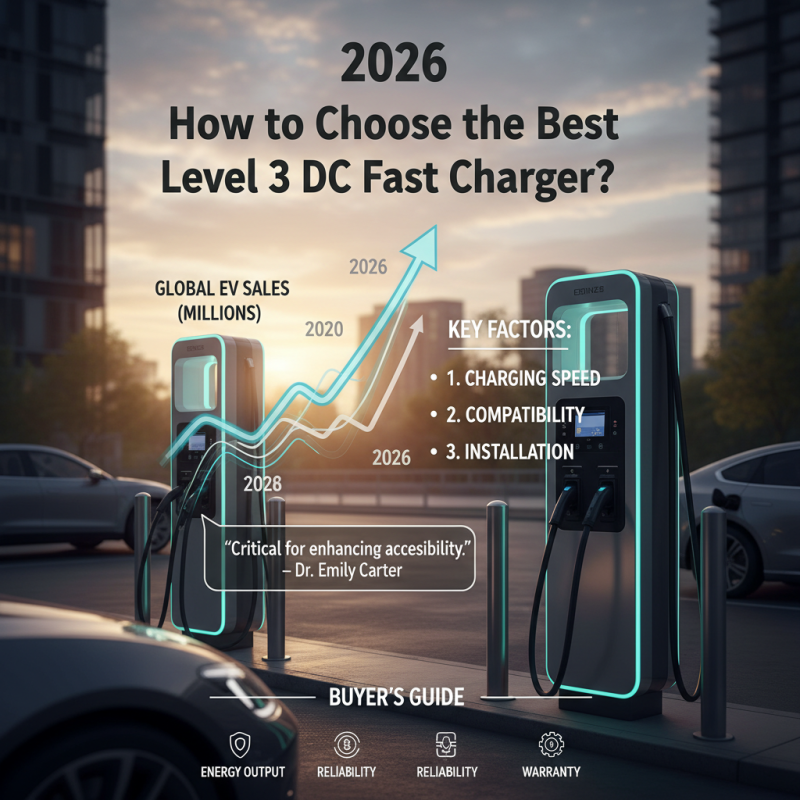
As the electric vehicle (EV) market continues to grow, the importance of selecting the right Level 3 Dc Fast Charger becomes clearer. According to a report by the International Energy Agency, global electric car sales reached 3 million in 2020, showing a significant increase in EV adoption. With this rise comes the need for reliable, efficient charging solutions. The right Level 3 DC Fast Charger can significantly affect charging times and user experience.
Industry expert Dr. Emily Carter emphasizes, "Choosing a Level 3 DC Fast Charger is critical for enhancing the accessibility of EV infrastructure.” Her insights highlight the need for careful consideration when selecting a charger. Many consumers face confusion due to varied offerings in the market. Factors such as charging speed, compatibility, and installation requirements must be evaluated closely. Not all chargers meet operational standards, leading to inefficient performance and user dissatisfaction.
A thorough understanding of Level 3 DC Fast Charger specifications can guide buyers toward informed decisions. It's crucial to examine energy output, manufacturer reliability, and warranty options. In a rapidly evolving market, overlooking these details can lead to costly mistakes. Keeping abreast of industry trends and expert advice can help ensure optimal choices are made.
Understanding Level 3 DC Fast Chargers and Their Importance
Level 3 DC fast chargers
are crucial in the electric vehicle (EV) landscape. They provide rapid charging capabilities, allowing EVs to gain significant range in a short period. Understanding their role is essential for both consumers and businesses. EV owners often need to charge on the go. Level 3 chargers can deliver up to 350 kW, making it possible to charge a vehicle in 20-30 minutes. This is a game changer for long-distance travel and urban commuting.
Choosing the right Level 3 DC fast charger involves several considerations. Charging speed is a primary factor. Not all chargers deliver the same power level. Look for those with appropriate connector types for your EV. Location is another key aspect. Accessibility and proximity to major roads can influence the utility of a charging station. Installation costs and maintenance also deserve attention. Sometimes, lower upfront prices can lead to higher long-term expenses. It’s important to weigh these factors carefully. After all, not all chargers are created equal, and the best choice may differ from person to person.
Reflecting on your specific needs is vital. Gauge how often you use your EV and your typical range requirements. This can guide your decision. Some users may find they seldom need rapid charging, while others rely on it daily. Understanding how you use your vehicle will shape your charger choice significantly. The more informed you are, the better your purchasing decision will be in the long run.
Key Specifications to Consider When Choosing a Level 3 Charger
When choosing a Level 3 DC fast charger, several key specifications can guide your decision. First, consider the charging speed. Level 3 chargers typically range from 24 kW to 350 kW output. The higher the output, the faster your electric vehicle charges. However, your vehicle’s acceptance rate plays a crucial role too. It’s essential to match these specifications for optimal performance.
Compatibility is another critical factor. Ensure the charger works with your vehicle’s charging port. Different models and brands may use various connector types. This can lead to frustrating experiences if the charger isn't compatible. Also, consider the location of the charger. Accessibility and the surrounding infrastructure matter. A charger in a busy area may have higher demand, affecting wait times.
Tips: Check online reviews and user feedback. Learn from their experiences. Understanding real-world performance helps refine your choice. Take time to reflect on the features you prioritize. Don’t rush the decision; it can significantly affect charging efficiency.
Evaluating Charging Speed and Efficiency for Your Needs
When selecting a Level 3 DC fast charger, evaluating charging speed and efficiency is crucial. The speed of a charger is measured in kilowatts (kW). Higher kW ratings translate to quicker charging times. For instance, a 150 kW charger can significantly reduce charging time compared to a 50 kW charger. It’s essential to assess the power output based on your vehicle's compatibility. Not all electric vehicles can handle the highest speeds. Therefore, understanding your vehicle’s capacity is vital.
Efficiency also plays a key role. This refers to how much energy is converted and delivered to the vehicle. Inefficient chargers can lead to energy losses during the charging process. Some chargers operate at low efficiency rates, resulting in longer wait times and increased costs. This is an area where users often overlook details. Conducting research or referring to user reviews can help reveal real-world performance metrics. Test charging under various conditions to gauge effectiveness. A charger might perform well in optimal conditions but falter in extreme weather. These factors must be weighed carefully.
Charging Speed and Efficiency of Level 3 DC Fast Chargers
Compatibility with Electric Vehicle Models and Charging Standards
When selecting a Level 3 DC fast charger for electric vehicles, compatibility is key. The charger must work with various EV models. Currently, there are over 40 electric vehicle models using different charging standards. This diversity means that a versatile charger is essential. According to industry analysts, over 60% of EV owners prioritize compatibility with existing charging infrastructure when making a choice.
Many DC fast chargers support standards like CHAdeMO and CCS. It’s essential to check which models are compatible with these systems. For instance, CCS is widely adopted in North America and Europe. However, CHAdeMO is still vital for brands like Nissan and some older models. Having a charging solution that accommodates multiple standards can prevent downtimes and charging hassles.
Tips: Consider future-proofing your investment. As EV technology evolves, charger compatibility may change. Investing in upgradable chargers can save money in the long run.
Moreover, location plays an important role in charger compatibility. Some regions may favor certain standards, affecting convenience. Research local charging stations before making a decision. Look into their current usage and future trends. This can shape your choice and provide better reliability. Selecting the right charger is about more than just features; it’s about finding the right fit for you.
Cost Analysis: Initial Investment vs. Long-Term Benefits
When planning to invest in a Level 3 DC Fast Charger, cost analysis is essential. The initial investment may appear high, but understanding long-term benefits can lead to better decision-making. Fast chargers can reduce charging times significantly, leading to increased use and satisfaction for electric vehicle owners.
Tip: Research local energy costs. This will help determine potential savings when installing a fast charger. Analyzing the grid's capacity beforehand is also crucial. It ensures that the installation can meet future demand without costly upgrades.
Maintenance is another factor worth considering. Regular servicing can prevent breakdowns, but this comes at a cost. Balancing these costs against the advantages of providing faster charging options can be a challenge. Take time to investigate available maintenance plans within your budget.
In conclusion, weigh initial costs against long-term benefits. Fast chargers can be a game-changer for businesses aiming to attract electric vehicle users. Ensure a thorough evaluation of both upfront and ongoing expenses to make a well-informed choice.