2026 How to Choose the Best Aircon Pump for Your Needs
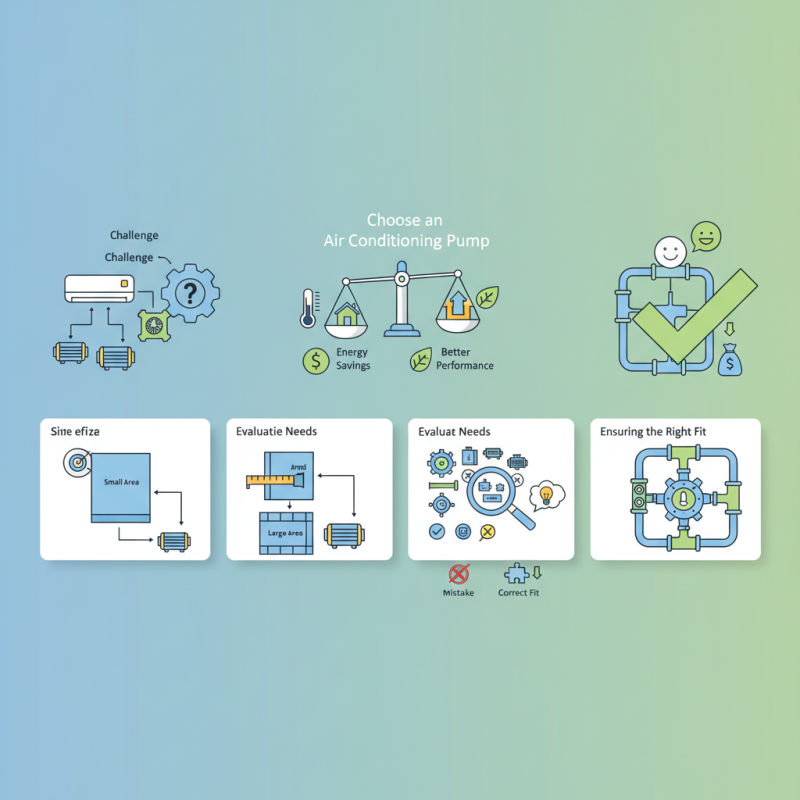
Choosing the right Aircon Pump for your cooling system can be challenging. Many factors influence your decision. Understanding these elements can lead to better performance and energy savings.
An efficient Aircon Pump enhances your air conditioning system's effectiveness. It helps maintain optimal temperature and humidity levels. Evaluating your specific needs is crucial. Consider the size of the area you intend to cool. An undersized pump may struggle, while an oversized one can waste energy.
It’s vital to research various brands and models. Look for reliable reviews and expert recommendations. Not all Aircon Pumps are created equal. Some may seem appealing but may not fit your system perfectly. Mistakes can happen, so reflect on your choices. Ensuring the right fit can prevent future headaches and unexpected costs.
Factors to Consider When Choosing an Aircon Pump for Your Home
When selecting an aircon pump for your home, several factors demand careful consideration. The size of your home plays a crucial role. A pump that is too small may struggle to maintain optimal temperature. Conversely, an oversized pump can lead to high energy bills and inefficient operation. Assess your square footage and climate conditions to ensure a proper fit.
Energy efficiency is another important aspect. Look for models with high energy efficiency ratings. This will help you save costs on electricity in the long run. Consider the noise levels as well. Some pumps are noisier than others, which can be disruptive, especially in quiet environments. A quiet model might be more desirable for bedrooms or living spaces.
Installation and maintenance requirements also deserve attention. Some pumps demand more technical knowledge for installation. Others may require frequent upkeep, which can add to your expenses. Reflect on your own capabilities and how much time you are willing to invest in maintenance. While you may think you can handle the initial setup, unforeseen issues often arise. Understanding these factors will lead to a better choice that serves your needs effectively.
Understanding Different Types of Aircon Pumps: Pros and Cons
When choosing an aircon pump, understanding the different types can be crucial. There are primarily two types: submersible and surface pumps. Submersible pumps are designed to work underwater. They are efficient but may require more maintenance due to being submerged. Surface pumps, on the other hand, sit above the water. They are easier to maintain but might struggle with deep water sources.
Each type has its pros and cons. Submersible pumps are generally quieter and can transfer water more efficiently. However, they can be problematic if not properly installed. Surface pumps are more accessible for repairs. Yet, they may not provide the same level of pressure and efficiency when dealing with certain conditions. It's essential to consider these factors when making your choice.
Ultimately, the best option will depend on your specific needs. Every situation is unique. Reflect on how often you will use the pump and the environment it will operate in. Your choice should align with both performance requirements and maintenance capabilities. Be mindful of your decisions, as they will impact efficiency and reliability in the long run.
Evaluating Energy Efficiency Ratings: SEER vs. EER Standards
When it comes to selecting an aircon pump, energy efficiency is a key consideration. The SEER (Seasonal Energy Efficiency Ratio) and EER (Energy Efficiency Ratio) ratings are essential indicators of performance. SEER measures efficiency over an entire cooling season, while EER focuses on a specific point, often at higher temperatures. This distinction is crucial for making an informed decision.
Understanding these ratings can feel overwhelming. Look for a balance between high SEER and decent EER numbers. A higher SEER means better energy savings over time. EER, on the other hand, may influence immediate energy costs during peak usage.
Tips: Always check the seasonal variations in your area. Cooler regions benefit more from high SEER ratings, while hotter areas might prioritize EER for peak efficiency. Pay attention to the pump's longevity and maintenance requirements, as these factors significantly impact total cost of ownership. Remember that choosing the right aircon pump is a long-term investment, ideally leading to lower bills and a comfortable environment.
Sizing Your Aircon Pump: Calculating BTU Requirements Accurately
When choosing an aircon pump, accurate sizing is crucial. The capacity of an air conditioning unit is measured in BTUs (British Thermal Units). The right BTU rating ensures efficient cooling without wasting energy. According to industry reports, an average room requires about 20 BTUs for every square foot. However, this can vary based on factors like ceiling height and insulation quality.
It's essential to consider the number of windows and their exposure to sunlight. Rooms that receive more sunlight may demand higher BTU ratings. Experts recommend adding an additional 10% to your calculated BTUs for these sunlit areas. To ensure precise sizing, measure your space before shopping for an aircon pump.
Here are some tips:
- Calculate space dimensions accurately.
- Consider local climate conditions.
- Keep an eye on energy efficiency ratings.
Choosing the right aircon pump can feel overwhelming. Many consumers struggle with the technical details. For some, this leads to overestimating BTU needs. The result? Higher purchase prices and operating costs. Be cautious with assumptions. Aim for expert advice and reliable resources during your selection process.
Maintenance Tips for Optimal Performance of Aircon Pumps
Maintaining an aircon pump is crucial for efficiency and longevity. Regular checks can prevent costly repairs. Neglected pumps can lose up to 20% of their efficiency. A study by the Air Conditioning, Heating, and Refrigeration Institute revealed that poorly maintained systems consume 30% more energy.
Start by cleaning the air filters monthly. Dirty filters restrict airflow, making the pump work harder. This can lead to overheating. The condenser coils should also be kept clean. Dust and debris can hinder heat exchange, leading to reduced performance.
Pay attention to unusual noises or vibrations. These can signal underlying issues. Regularly inspect the refrigerant levels. Low levels affect cooling efficiency and can cause compressor failure. A proactive approach can prevent emergencies and ensure optimal performance over time.
Aircon Pump Performance Analysis