What is a Freezer Panel and How to Choose the Best?
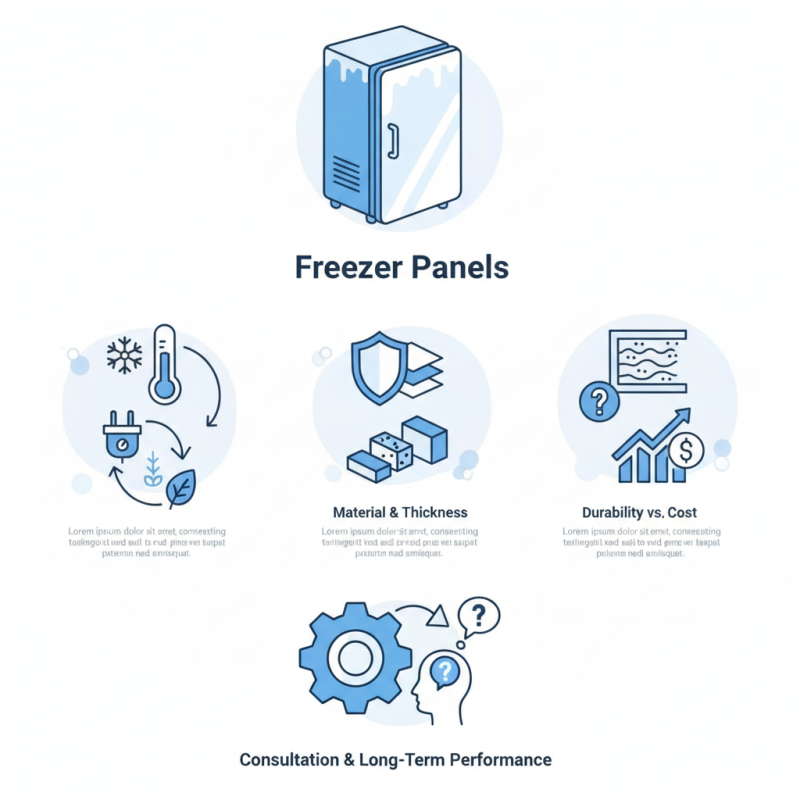
Choosing the right Панель для морозильной камеры can be challenging. Freezer panels are essential for energy efficiency and insulation. They contribute to optimal temperature maintenance, preventing spoilage. However, not every panel meets the same standards.
When selecting a freezer panel, consider material, thickness, and insulation type. High-quality panels often utilize polyurethane foam for improved thermal performance. It can be tempting to choose cheaper options, but they may lead to higher energy bills. Poor insulation can drastically affect your freezer’s efficiency, leading to regret.
Reflect on your needs. Are you looking for durability or cost-effectiveness? Not all freezer panels are created equal. The wrong choice can lead to inadequate cooling, impacting your frozen goods. Make sure to consult professionals for guidance. Your choice can significantly affect energy consumption and long-term performance.
What is a Freezer Panel and Its Functionality
A freezer panel serves an essential role in maintaining consistent temperatures in refrigerated spaces. These panels are typically made from insulating materials that minimize heat transfer. This functionality helps keep your stored items at the optimal temperature. The panels are critical for energy efficiency, which ultimately affects operational costs.
Selecting the best freezer panel involves several factors. Consider the insulation type and thickness. Thicker panels generally offer better thermal resistance. The panel’s dimensions should match your space requirements. You also need to think about durability. High-quality panels resist damage and wear over time.
Improper selection can lead to issues such as condensation and energy loss. Make sure to check the manufacturer’s specifications for performance ratings. Reliability in a freezer panel is paramount. Research customer experiences and industry reviews for insights. This evaluation process helps ensure you make an informed decision.
Key Features to Consider When Selecting Freezer Panels
When selecting freezer panels, several key features can guide your decision. Insulation thickness is crucial. Thicker insulation reduces energy costs. Look for panels with a high R-value to ensure better thermal performance. This helps maintain consistent temperatures while minimizing energy consumption.
Another important aspect is the panel material. Common materials include polyurethane and polystyrene. Each has its pros and cons regarding durability and insulation properties. Consider how the chosen material will affect the longevity and functionality of your freezer. You might find some panels easier to clean than others, influencing maintenance routines.
Lastly, think about the installation process. Freezer panels should be easy to assemble and align correctly. If installation is overly complicated, it could lead to future issues. It's essential to weigh your options. What works for one setting might not be suitable for another. Pay attention to your specific needs and environment before making a final choice.
Types of Freezer Panels Available in the Market
When considering freezer panels, various types are available in the market. One common type is the rigid foam panel. These panels typically offer excellent insulation and durability, making them popular for commercial applications. They can maintain low temperatures efficiently, which is crucial for any freezing solution.
Another option is the reflective panel. This type uses a reflective surface to minimize heat transfer, enhancing energy efficiency. These panels can be beneficial for those looking to reduce energy costs while maintaining optimal freezing conditions. However, reflective panels may require additional support structures during installation.
Lastly, flexible freezer panels provide an alternative for specific needs. They are lightweight and easier to handle, ideal for modular setups. However, flexibility may compromise some insulation properties. Choosing the right freezer panel involves weighing insulation efficiency, installation needs, and your specific freezing requirements. Always consider your whole setup to make the best choice.
Factors Influencing the Cost of Freezer Panels
The cost of freezer panels can vary significantly based on several key factors. The most influential component is the type of insulation used within the panel. High-density polyurethane foam tends to be more expensive, but it offers superior thermal efficiency. A study by the International Institute of Refrigeration noted that better insulation can reduce energy consumption by up to 30%. This not only lowers utility bills but also enhances the overall effectiveness of the freezer.
Another critical factor is the thickness of the panel. Thicker panels often provide better insulation but come at a higher initial cost. According to data from the Cold Chain Federation, installation of panels with a thickness of more than 100 mm can improve temperature consistency significantly. However, the increase in upfront investment must be carefully weighed against potential long-term energy savings.
Additionally, customization adds cost. Custom-sized panels require precise manufacturing, which can increase labor and material costs. In fact, reports indicate that custom solutions can see 15-25% higher costs compared to standard sizes. It's important for buyers to understand this balance of initial costs versus potential operational savings.
Freezer Panels Cost Influencing Factors
Maintenance Tips for Prolonging Freezer Panel Lifespan
Freezer panels play a critical role in maintaining optimal temperatures in commercial refrigeration systems. Proper care and maintenance significantly extend the lifespan of these panels. An industry report by the Refrigeration Research Institute indicates that regular maintenance can increase a freezer panel's lifespan by up to 30%.
To ensure your freezer panels last longer, start with a thorough inspection. Look for any signs of damage or wear. If you notice cracks or tears, address these issues immediately to prevent further deterioration. Regular cleaning is essential. Debris accumulation can affect insulation efficiency, leading to increased energy costs.
Tip: Use a soft cloth and mild detergent for cleaning to avoid damaging the panel surface. A simple routine check every six months can help identify potential issues early. Remember that temperature fluctuations can cause expansion and contraction in the material. This can lead to panel warping if not managed properly. Pay attention to seals and hinges as well.
Another essential maintenance tip involves ensuring that the surrounding area is free from moisture. Moisture can warp panels and encourage mold growth, which can compromise the freezer’s effectiveness. Keeping those areas well-ventilated also helps maintain the integrity of the panels. Regular preventive measures save time and money in the long run.