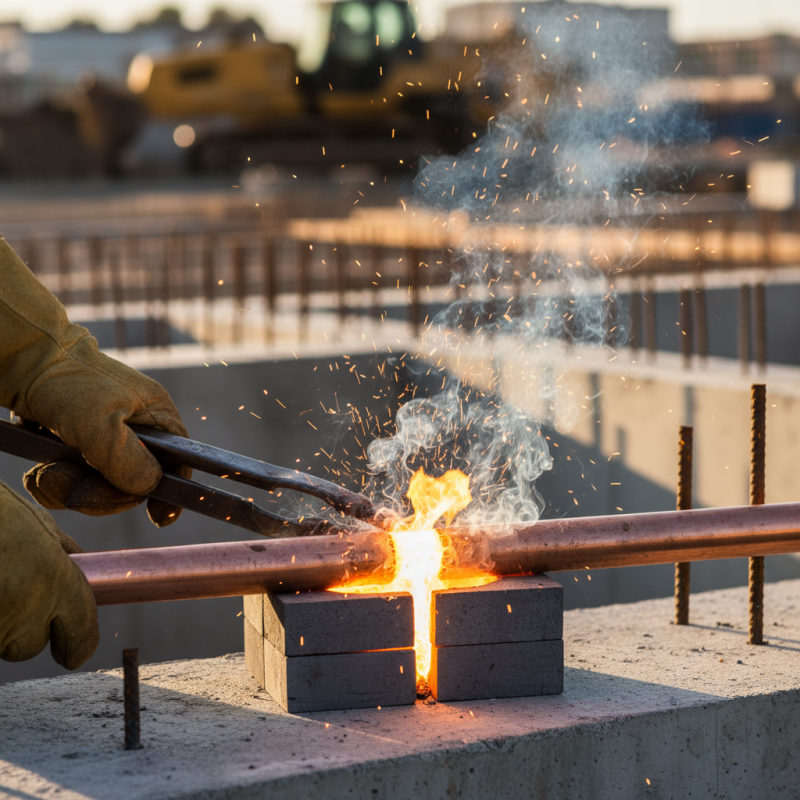
What is Exothermic Welding and Why is it Important?
Exothermic Welding is a process that combines metals using a high-temperature reaction. This method is essential for creating strong, reliable connections in electrical and construction fields. Notably, John Smith, a leading expert in welding technology, stated, "Exothermic Welding provides unmatched bond strength and durability."
The technique relies on thermite reactions, producing molten metal that fuses two components. Applications range from electrical grounding to rail construction. Each project benefits from the unique properties of Exothermic Welding, ensuring long-lasting, corrosion-resistant joints.
However, challenges exist. Proper preparation and safety measures are critical. Mismanagement can lead to failed welds and increased costs. It's vital to balance the benefits with these potential pitfalls. As the industry evolves, ongoing research will refine practices and improve outcomes in Exothermic Welding.
Definition of Exothermic Welding and Its Process
Exothermic welding, also known as thermite welding, is a process that generates immense heat through a chemical reaction. This reaction typically involves metal powder and an oxidizer. The result is molten metal, which can join two workpieces. The temperature can reach about 4500°F (about 2480°C) during this process. Such high temperatures ensure a strong bond that can endure extreme conditions.
The procedure begins by mixing metal powders, usually aluminum and a metal oxide. When ignited, an exothermic reaction occurs, producing molten metal. This molten metal flows into the cavity formed by the workpieces. After cooling, the bond is permanent. According to industry reports, joints created through this method possess ten times the strength of traditional welding techniques. This makes it ideal for heavy-duty applications.
Tip: Always ensure a safe working environment during exothermic welding. The extreme heat can pose serious safety risks. Regularly review your safety protocols.
Another aspect to consider is the skill required. Mastering exothermic welding takes time and practice. Mistakes, such as improper mixing of materials, can lead to subpar joints. This highlights the importance of proper training. Understanding the science behind this method can substantially improve outcomes.
Tip: Invest time in training and practice. Quality control is vital. It can save resources in the long run.
Key Components Involved in Exothermic Welding
Exothermic welding, also known as thermite welding, relies on a chemical reaction between metal powders to generate extreme heat. The key components involved in this process are usually aluminum powder and metal oxides, which ignite and produce molten metal. This molten metal acts as a bonding agent between the materials being joined. The reaction is vigorous, releasing a significant amount of energy, which is essential for achieving a strong weld.
The metal oxide, often copper oxide, plays a crucial role. It not only reacts with aluminum but also ensures a clean and robust connection. An additional component is the graphite mold, which holds the assembly in place during the welding process. Quality control is essential at all stages. Any impurities can lead to weak joints. It’s common to underestimate the importance of preparation. Proper surface cleaning is as vital as the welding itself. Inadequate preparation can lead to costly failures.
Operators must be trained to handle the equipment safely. Even seasoned professionals may encounter challenges. Understanding the chemistry involved is fundamental. Each reaction is unique and can yield different results. This unpredictability adds complexity to the process. Careful planning and execution are necessary for effective outcomes. Exothermic welding is powerful, but it demands respect and knowledge.
What is Exothermic Welding and Why is it Important? - Key Components Involved in Exothermic Welding
| Component | Description | Importance |
| Copper Powder | A primary reactant in exothermic welding. | Essential for achieving the required heat for welding. |
| Aluminum Powder | Used as an additional reactant. | Enhances the reaction, producing more heat. |
| Welding Mold | A container that shapes the welded joint. | Ensures precise positioning and dimensions of the weld. |
| Insulating Material | Material used to retain heat during the welding process. | Prevent heat loss, ensuring effective welding. |
| Ignition Source | A means to initiate the exothermic reaction. | Starts the process, crucial for the beginning of welding. |
Benefits of Exothermic Welding in Various Industries
Exothermic welding is a process that produces molten metal through a chemical reaction. This method is used across various industries for its strong, durable connections. One major benefit is its ability to create seamless bonds without the need for external power. This makes it especially useful in construction and electrical applications.
In the power industry, exothermic welding is often used for connecting Busbars and grounding systems. These connections requirehigh conductivity and strength. The exothermic process creates a weld that often outlasts the components it joins. It is crucial in environments where reliability and safety are paramount.
Tip: Always ensure proper surface preparation before welding. Clean surfaces lead to better adhesion and stronger welds.
Another area benefiting from exothermic welding is
rail construction. This method securely joins rails, which is essential for safety. The robustness of these welds withstands extreme stresses and weather conditions. However, it’s important to address that mistakes can occur if operators are not adequately trained. Consistent practice and knowledge-sharing can help mitigate these risks.
Tip: Regular training sessions can enhance skills and reduce errors. Knowledge improves efficiency and reduces the likelihood of costly rework.
Common Applications and Use Cases of Exothermic Welding
Exothermic welding, also known as thermite welding, is emerging as a preferred technique in various industries. Its applications are widespread, especially in the electrical and transportation sectors. This method encompasses the joining of metal surfaces using an exothermic reaction, producing heat that melts the metals together. In 2020, the global exothermic welding market was estimated to be worth around $150 million, with a projected growth rate of 5% annually.
One essential application is in railways. Exothermic welding creates robust, durable rail joints. Such joints are vital for maintaining structural integrity under heavy loads. In a recent study, it's indicated that well-executed exothermic welds can enhance connection lifespans by up to 30%. This factor is critical for minimizing maintenance costs in rail networks.
Another common use is in electrical connections. Exothermic welding ensures excellent conductivity and resistance to corrosion. This technology is increasingly important with the rise of renewable energy projects. However, there are challenges. The welding process requires a precise balance of materials. Any miscalculation can lead to failures. Even though exothermic welding offers reliable results, improper techniques can compromise safety, emphasizing the need for skilled professionals in this field.
Safety Considerations and Best Practices for Exothermic Welding
Exothermic welding is a process that generates intense heat to join metals. While it can be highly effective, safety is crucial. Proper precautions protect workers from potential hazards. Wear appropriate personal protective equipment (PPE). This includes gloves, goggles, and flame-resistant clothing.
Before starting, ensure the working area is clean and free of flammable materials. The heat generated can cause burns or ignite nearby objects. Always have a fire extinguisher nearby. Training is vital for anyone involved in the process. They should understand the risks and safe handling of materials.
Monitoring the temperature is essential. Excessive heat can lead to accidents or damage to materials. Check equipment regularly for wear or faults. Make sure to follow protocol to minimize risks. Review safety measures periodically to enhance your team's awareness. This approach improves both safety and efficiency.
Exothermic Welding Process Analysis