10 Essential Tips for Optimizing Aeration Process in Wastewater Treatment?
The Aeration Process In Wastewater Treatment plays a crucial role in maintaining water quality. Dr. Emily Thompson, a leading expert in environmental engineering, has stated, "Effective aeration enhances the biological treatment of wastewater by ensuring sufficient oxygen supply." This highlights the vital link between aeration and successful wastewater management.
Optimizing the aeration process requires attention to various factors, including the design of aeration systems and the efficiency of oxygen transfer. It's essential to evaluate the specific needs of each treatment facility. Implementation of energy-efficient practices not only benefits the environment but can also reduce operational costs. The right balance is needed; too much aeration can lead to excess energy use, while too little can harm treatment efficacy.
Despite advancements, many facilities still face challenges in this area. Issues such as uneven oxygen distribution can disrupt microbiological activity. Continuous monitoring and adjustments are necessary to ensure optimal performance. Embracing innovative techniques may often lead to surprising revelations about the aeration process in wastewater treatment. Success lies in trial, error, and the willingness to adapt.
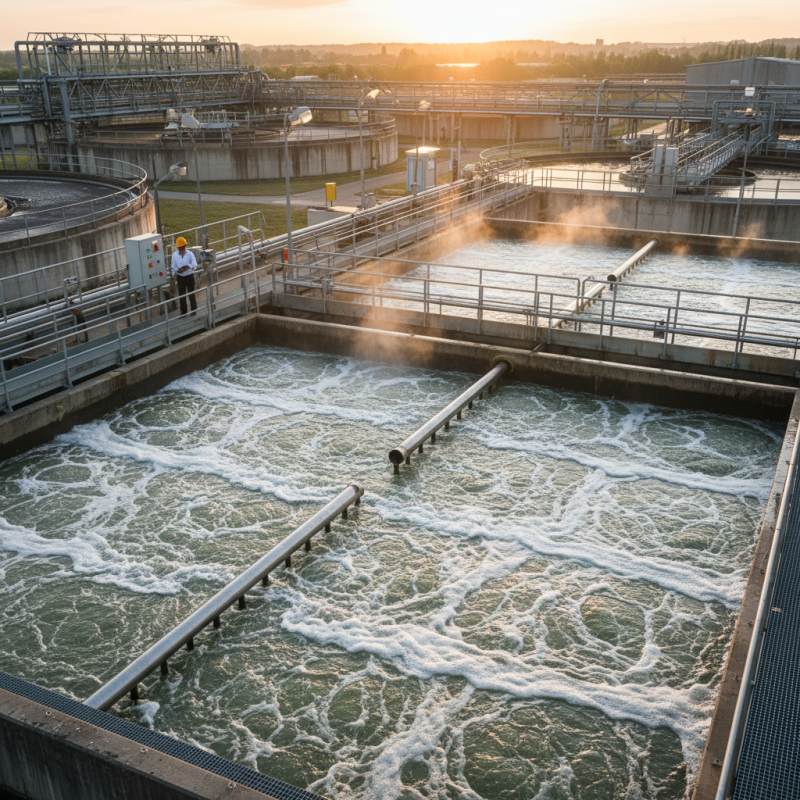
Understanding the Importance of Aeration in Wastewater Treatment
Aeration plays a crucial role in wastewater treatment. It enhances the breakdown of organic matter, ensuring efficient treatment processes. According to the U.S. Environmental Protection Agency (EPA), up to 40% of the total energy cost in wastewater treatment facilities stems from aeration. Proper management of this process can significantly reduce operational costs.
The efficiency of aeration also influences the overall effectiveness of treatment systems. Research indicates that optimized aeration can improve biochemical oxygen demand (BOD) removal rates by 20-30%. However, many facilities struggle with over-aeration, leading to energy waste and reduced system performance. This highlights the need for continuous monitoring and adjustment to achieve optimal aeration levels.
Inadequate aeration can result in insufficient oxygen supply to microorganisms. This situation hinders their ability to decompose waste effectively. Findings from industry reports suggest that maintaining the correct dissolved oxygen levels is essential for maximizing treatment outcomes. It's a balancing act that requires ongoing analysis and an understanding of individual treatment plant dynamics.
Key Factors Influencing Aeration Efficiency in Treatment Systems
Aeration efficiency is critical in wastewater treatment systems. Several factors influence the performance of aeration processes. One vital aspect is the design of the aeration system itself. Properly designed aeration basins ensure optimal mixing and oxygen transfer. This affects the entire treatment process and can either enhance or hinder efficiency.
Another key factor is the type of aeration method used. Different methods, such as diffused aeration or mechanical aerators, have unique strengths and weaknesses. Understanding the specific characteristics of these methods can lead to better decision-making. Operating parameters, including airflow rates and energy inputs, also play a significant role. Adjusting these parameters can either improve or degrade performance.
Finally, maintaining the aeration system is crucial. Regular inspection and maintenance can prevent malfunctions that cause inefficiencies. Ineffective aeration can lead to poor treatment outcomes. It’s important to recognize that not all systems operate optimally without periodic evaluation. Continuous monitoring and adjustments are necessary to adapt to changing conditions within the treatment process.
Techniques for Measuring and Monitoring Dissolved Oxygen Levels
Monitoring dissolved oxygen levels is crucial for the aeration process in wastewater treatment. Proper oxygen levels facilitate the breakdown of organic materials. It’s essential to regularly measure dissolved oxygen (DO) to ensure effective microbial activity. Several methods exist for measuring DO, including electrochemical sensors and optical sensors. Each method comes with its own advantages and challenges.
Electrochemical sensors are widely used. They provide quick results but can be influenced by changes in temperature and pressure. Calibration is essential to maintain accuracy. Optical sensors, on the other hand, offer more stability and are less affected by environmental factors. However, they can be more expensive and may require regular maintenance.
Monitoring dissolved oxygen is not just about numbers. The goal is to create optimal conditions for microorganisms. Understanding the relationship between DO levels and treatment efficiency is vital. Regular data analysis is necessary but can be inconsistent due to equipment limitations. Adjustments to aeration strategies should be made based on real-time data to enhance performance. This reflective process can lead to better decision-making in wastewater management.
10 Essential Tips for Optimizing Aeration Process in Wastewater Treatment
| Tip | Description | Measurement Technique | Monitoring Frequency |
| 1. Optimize Air Flow Rate | Adjusting the air flow rate to maintain optimal oxygen transfer efficiency. | Flow meters | Daily |
| 2. Regularly Clean Diffusers | Maintaining cleanliness of diffusers to ensure effective aeration. | Visual inspection | Monthly |
| 3. Monitor Dissolved Oxygen Levels | Ensuring adequate oxygen levels for microbial activity. | DO meters | Hourly |
| 4. Adjust Mixing Intensities | Balancing mixing to prevent settling while allowing oxygen transfer. | Mixing speed sensors | Weekly |
| 5. Monitor Temperature | Keeping track of temperature as it affects oxygen solubility. | Thermometers | Daily |
| 6. Control Wastewater Loading | Managing the amount of wastewater entering the system. | Flow rate monitors | Continuous |
| 7. Use Advanced Control Systems | Implementing automated systems for real-time monitoring. | SCADA systems | Continuous |
| 8. Optimize Pumping Energy | Reducing energy consumption in pumping operations. | Energy meters | Monthly |
| 9. Conduct Regular Maintenance | Ensuring all equipment is functioning efficiently. | Maintenance logs | Bi-weekly |
| 10. Implement Training Programs | Training staff on new technologies and practices. | Training records | Annually |
Strategies for Selecting the Right Aeration Equipment and Technology
Choosing the right aeration equipment is crucial for effective wastewater treatment. Various technologies are available, each with unique strengths and weaknesses. Aeration systems should match the specific needs of your facility to optimize performance. For instance, fine bubble diffusers can enhance oxygen transfer efficiency. However, they may require more maintenance compared to other options.
When selecting aeration technology, consider the plant size and wastewater characteristics. Smaller plants might benefit from modular systems that offer flexibility. In contrast, larger facilities may need more robust solutions designed for heavy loads. It’s essential to evaluate the energy consumption and operational costs of each system. Higher efficiency can lead to significant savings over time.
Don't overlook the importance of site-specific factors. Local regulations and environmental conditions can influence your decision. Engaging with experts can provide valuable insights. They often highlight common pitfalls and miscalculations in aeration system design. Keeping an open mind and reassessing options may lead to better choices that maximize effectiveness.
Best Practices for Regular Maintenance of Aeration Systems
Maintaining aeration systems is crucial for effective wastewater treatment. Regular checks can prevent issues and improve efficiency. Monitoring air flow is essential. Ensure that blowers operate within recommended parameters. Inspect diffusers for clogging or wear. Even minor blockages can reduce oxygen transfer rates.
Keep an eye on energy consumption. Sudden spikes may indicate underlying problems. Schedule routine maintenance for mechanical parts. Lubricate bearings and tighten connections periodically. This can extend equipment life significantly.
Staff training is vital as well. Ensure that operators understand system functionalities. Encourage them to report unusual sounds or changes in performance. This proactive approach can help catch problems early. Adjusting aeration systems based on seasonal changes is also beneficial. Remember, aeration is not a set-it-and-forget-it process. Regular reviews and adjustments are essential for optimal performance.