Why is the Sand Molding Process Essential in Manufacturing?
The sand molding process is crucial in manufacturing. It allows for the creation of intricate metal castings. This process involves using sand to form molds that can withstand high temperatures. Manufacturers prefer sand molds for their versatility and cost-effectiveness.
Using sand provides a flexible medium for shaping complex designs. The grains of sand are bonded together, creating a sturdy mold. However, achieving the perfect balance in sand composition can be tricky. Improper mixtures may lead to defects in the final product.
Despite its advantages, the sand molding process is not flawless. Inconsistent quality can arise from various factors, including moisture levels. Manufacturers must continually refine their techniques. A commitment to improving the sand molding process is essential. This ensures high-quality outputs that meet industry demands.
The Significance of Sand Molding in Modern Manufacturing
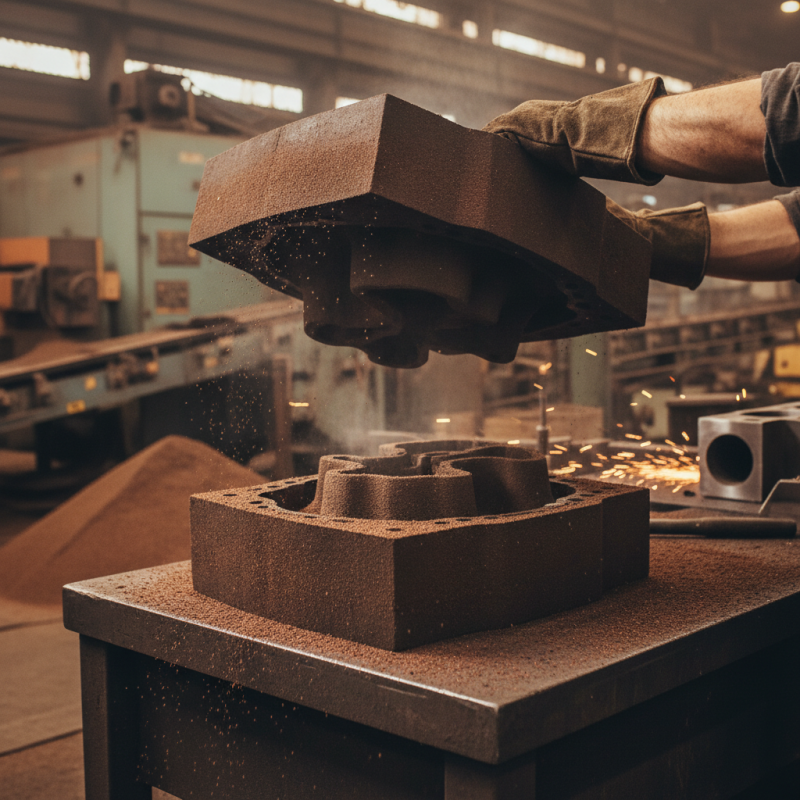
The significance of sand molding in modern manufacturing cannot be overstated. This process plays a crucial role in producing components that are both durable and precise. Sand molds are made from fine sand mixed with a binder, creating a sturdy structure for molten metal. This method allows for intricate designs and detailed features, which are vital in the competitive manufacturing landscape.
When using sand molding, attention to detail is paramount. A slight deviation in the sand mixture can lead to defects in the final product. Quality control is essential to ensure that the molds maintain consistency. Regular testing is advised to prevent issues caused by moisture or impurities in the sand.
Tips: Always utilize fresh sand when creating molds. Recycling old sand might save time, but it can affect the quality. Adjust the binder ratio according to the complexity of the design. More complicated shapes may require a stronger bond. Finally, always inspect the mold before pouring metal; this can save time and resources in the long run.
Understanding the Sand Molding Process and Its Applications
The sand molding process plays a vital role in manufacturing. It involves creating molds from sand to shape metal components. This technique is widely used due to its flexibility and cost-effectiveness. Various industries benefit from this process, including automotive and aerospace.
Different types of sand are used, such as green sand and resin-coated sand. Each type offers unique properties that impact the final product. For example, green sand provides excellent molding characteristics, while resin-coated sand allows for precise details. This variety is essential for meeting diverse design requirements.
However, the sand molding process is not without challenges. Consistency in sand quality can be an issue. An unsuitable sand mixture can lead to defects in the final casting. Manufacturing professionals should carefully monitor sand properties throughout production. Continuous improvement and innovation are necessary in this field. Embracing feedback can enhance mold-making techniques and product outcomes.
Sand Molding Process Applications and Usage in Manufacturing
Advantages of Sand Molding Over Other Casting Methods
The sand molding process stands out in manufacturing for several reasons. One crucial advantage is flexibility. Sand molds can be easily shaped and modified for different products. This adaptability allows manufacturers to quickly respond to varying market demands. According to industry reports, nearly 70% of all metal castings use sand molds. This statistic underscores their importance.
Another significant benefit is cost-effectiveness. Sand molding requires less investment compared to other casting methods. For instance, using permanent molds can be three times more expensive. Additionally, sand molds can be reused multiple times, leading to reduced material waste. However, this method isn’t without flaws. Sometimes, sand can introduce defects like sand inclusions in the final product.
Production speed is also noteworthy. Sand molds facilitate quick turnaround times, which is crucial in today’s fast-paced market. They can be made swiftly, often within hours. Yet, the reliance on labor for mold preparation can be a bottleneck. Automation can help, but it’s not universally applied. Manufacturers must find a balance between speed and quality.
Why is the Sand Molding Process Essential in Manufacturing? - Advantages of Sand Molding Over Other Casting Methods
| Aspect | Sand Molding | Investment Casting | Die Casting |
| Cost-effectiveness | Lower setup and material costs. | Higher initial investment required. | Medium cost, dependent on volume. |
| Production Flexibility | Highly adaptable to different shapes and sizes. | Limited to specific designs. | Best for high-volume, uniform products. |
| Lead Time | Short lead time for prototype and batch production. | Longer lead time due to mold creation. | Requires extensive setup time. |
| Surface Finish | Moderate finish quality that may require secondary processing. | Excellent surface finish. | Very high quality finish possible. |
| Production Volume | Ideal for low to medium volumes. | Best for low to medium volumes. | Highly efficient for high-volume production. |
Key Materials and Techniques Used in Sand Molding
The sand molding process plays a critical role in manufacturing due to its versatility. It utilizes a mixture of sand, clay, and water. This combination creates molds that can form complex shapes. The flexibility of sand allows for different designs and sizes. It's also relatively inexpensive compared to other methods.
Key materials in this process include silica sand, which is abundant and durable. Clay acts as a binding agent, helping the sand hold its shape. Water is crucial for activating the clay. Each element has a specific purpose, but achieving the right mixture can be challenging. Too much water can weaken the mold structure, while too little can lead to cracks.
Techniques used in sand molding vary. The most common is the green sand process, where molds are made from damp sand. Another method is the use of resin-bonded sand, which offers better strength. However, this method can be harder to manage. Each technique has its pros and cons, leading to different considerations in production. Finding the right balance is essential in achieving quality results.
Challenges and Innovations in Sand Molding Technology
The sand molding process plays a crucial role in manufacturing. Yet, it faces various challenges. One significant issue is the quality of sand used. Impurities can affect the final cast. This may lead to defects, requiring extra attention. The industry is striving to innovate. New technologies focus on sand reclamation. This process reduces waste and enhances quality.
Tips: Regularly check the sand’s quality. Implement a routine testing schedule. This will help identify problems early.
Another challenge is the environmental impact. Traditional sand molding produces waste and uses excessive resources. Innovations aim to cut down both. Biodegradable binders are emerging. These materials can replace harmful substances. They are not perfect yet. Some still struggle with strength and consistency.
Tips: Explore local suppliers for eco-friendly materials. Smaller companies often have innovative solutions.
Investing in automation also helps. Robotic systems can improve precision. However, they require skilled operators. There’s a learning curve involved. Balancing human expertise with technology is not easy. Mistakes can happen if the transition is rushed.
Tips: Offer training sessions for workers. Emphasizing continuous learning keeps the process smooth.