Essential Electrical Check Tips for Your House Safety?
Electrical safety is crucial for any household. Regular electrical check on house systems can prevent hazardous situations. Faulty wiring, outdated circuits, or overloaded outlets may lead to fires or electrical shocks.
Understanding your home’s electrical system is key. Many homeowners overlook the signs of wear. Flickering lights or tripped breakers are not just minor inconveniences; they can indicate serious issues. Neglecting these signs can lead to costly repairs or dangerous accidents.
Being proactive about electrical safety is essential. Hiring a qualified electrician for regular inspections ensures your home remains safe. DIY checks can be helpful but require caution. Always prioritize professional advice and expertise when addressing electrical concerns. Doing so can fortify your peace of mind and protect your home and loved ones.
Understanding the Importance of Electrical Safety in Your Home
Electrical safety is a crucial aspect of home maintenance. Understanding the potential hazards can prevent accidents and protect your family. Old wiring can fray and pose risks. Ground faults and circuit overloads are common culprits of electrical fires. Regular inspections are necessary for identifying these issues early.
Many homeowners underestimate the importance of routine electrical check-ups. They may ignore outdated panels or outlets. A simple flickering light can indicate a deeper problem. It’s vital to consult a qualified electrician for a thorough examination. Trusting professional expertise ensures your electrical systems are up to code.
Awareness of electrical safety also involves learning about your home’s layout. Knowing where the main shut-off is can save lives during emergencies. Check smoke detectors and replace batteries regularly. Involvement in your home’s electrical wellbeing can make a significant difference. It fosters a culture of safety and preparedness.
Common Electrical Hazards to Watch For in Residential Properties
Electrical safety is a crucial concern in residential properties. According to the National Fire Protection Association, electrical failures or malfunctions account for nearly 13% of all reported home fires. Homeowners must stay vigilant about common electrical hazards to reduce such risks.
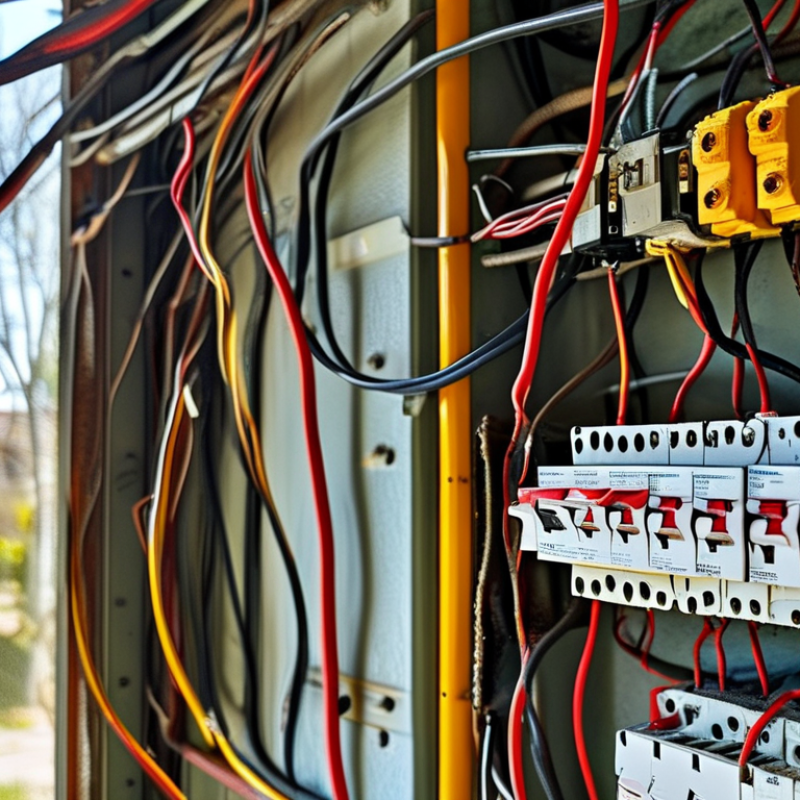
Faulty wiring is a significant issue. Over time, wiring can deteriorate due to wear and tear, causing overheating. Regular inspections are essential to identify signs of damage, such as frayed wires or scorch marks. Additionally, consider the age of electrical systems. Homes built before 1980 may lack adequate grounding, which can lead to severe electrical shocks.
Another common hazard is overloaded circuits. Many homeowners extend outlets with power strips, creating unnecessary strain. This setup can lead to overheating and, ultimately, fires. The Electrical Safety Foundation International highlights that over 25,000 electrical fires are sparked each year due to such overloads. Inspect outlets for excessive use and redistribute the load for safer operation. Staying informed and proactive about these issues is crucial for maintaining a safe living environment.
Essential Electrical Check Tips for Your House Safety
| Check Type |
Description |
Frequency |
Common Hazards |
| Circuit Breaker Inspection |
Ensure circuit breakers are functioning properly and reset if necessary. |
Annually |
Overloaded circuits, tripped breakers |
| Outlet Testing |
Test for open ground, open neutral, and reverse polarity. |
Every 6 months |
Electrocution risk, fire hazards |
| Wiring Inspection |
Look for frayed, damaged, or exposed wires. |
Every 2 years |
Short circuits, electrical fires |
| GFCI Outlet Check |
Test Ground Fault Circuit Interrupters to ensure they reset properly. |
Monthly |
Electrical shock risk in wet areas |
| Smoke Detector Check |
Test smoke detectors and replace batteries as needed. |
Every 6 months |
Inability to detect fire |
Step-by-Step Guide to Conducting Your Own Electrical Inspection
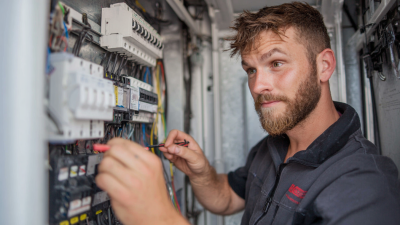
Conducting an electrical inspection in your home can greatly enhance safety and prevent accidents. Start by turning off the power supply at the main switch. Familiarize yourself with the layout of your circuits. Look for any exposed wires, particularly in high-traffic areas. Inspect outlets for signs of burn marks or discoloration. If you notice anything unusual, it might signal underlying issues.
Next, examine your breaker panel. Ensure that all breakers are labeled correctly. Reset tripped breakers and watch for any that trip immediately. This could indicate a problem that needs professional attention. Pay special attention to the condition of cords and plugs, checking for frays or damage. Regular checks can prevent fires and electrical shocks.
Consider getting a voltage tester. It’s an easy tool to use. Testing outlets helps ensure they are functioning correctly. If you're unsure about any findings, don’t hesitate to consult an electrician. A professional perspective can help clarify uncertainties and provide peace of mind. Electrical safety is crucial, and a proactive approach is essential for a secure living environment.
Key Signs That Indicate an Electrical Issue in Your House
Electrical issues in homes can manifest in subtle ways. Flickering lights often signal a problem. A study by the National Fire Protection Association reveals that electrical failures contribute to around 24% of home fires. Homeowners should not ignore these signs. If lights dim unexpectedly, it may indicate overloaded circuits or faulty wiring.
Another critical indicator is the presence of burnt or discolored outlets. This is often a sign of overheating. Investigating this issue promptly can prevent dangerous situations. The Electrical Safety Foundation International states that nearly 51,000 electrical fires occur each year in the U.S. due to faulty wiring and equipment. Homeowners must be vigilant regarding their electrical systems.
Strange odors, like burning plastic, should never be overlooked. This can mean that wires are overheating. Regular inspections are vital. They can identify potential problems before they escalate. Anecdotal evidence suggests that many homeowners wait too long to address electrical issues. A proactive approach is essential to ensure safety and reliability in our homes.
When to Call a Professional Electrician for Further Assistance
When it comes to electrical issues, knowing when to call a professional is crucial. Unusual sounds or flickering lights often indicate underlying problems. Don't ignore these signs. If your outlets feel warm or emit a burning smell, it’s time to seek help. These can signal serious safety hazards. It’s better to be safe than sorry.
If you experience frequent circuit breaker trips, this shouldn't be dismissed as normal. It could point to overloaded circuits or faulty wiring. Don’t attempt to fix these on your own. Hiring a qualified electrician ensures that the problem is diagnosed and corrected safely. Always trust your instincts about electrical safety.
Finally, if you’re planning major renovations, consulting a professional is essential. Electrical systems need to be updated to meet current standards. Attempting DIY fixes can lead to costly mistakes. A professional will provide reliable solutions and ensure everything is up to code. Remember, your safety should always come first.
Essential Electrical Check Tips for Your House Safety
This bar chart illustrates the essential electrical checks that homeowners should conduct to ensure safety within their household. Regular maintenance and inspections can prevent electrical hazards and increase safety.