How to Build and Operate a Liquefaction Plant Efficiently?
Building and operating a Liquefaction Plant efficiently is crucial in today’s energy landscape. Such plants convert gas into liquid, making transportation easier and less costly. They play a vital role in the global market for liquefied natural gas (LNG).
The efficiency of a Liquefaction Plant hinges on many factors. These include heat exchange processes, equipment maintenance, and energy consumption. Managing these elements requires careful planning and continuous monitoring. Sometimes, even minor inefficiencies can lead to significant cost increases. Unexpected challenges can arise; having a robust response strategy is essential.
Moreover, there is often room for improvement. Understanding the plant's operational limits can reveal hidden inefficiencies. Regular audits and reviews may identify issues that operators overlooked. Creating an environment where feedback is welcomed fosters innovation. Embracing a culture of reflection can ultimately lead to better performance in Liquefaction Plants.
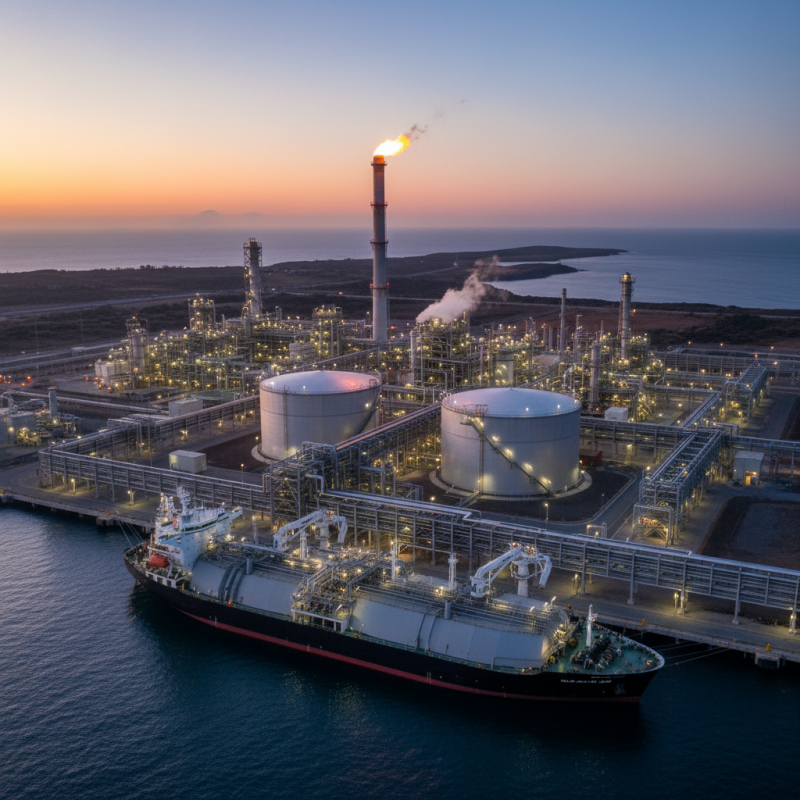
Understanding Liquefaction Process and Technology
The liquefaction process involves changing solid materials into liquid form. This is crucial in various industries, including energy and materials processing. Understanding this process can enhance operational efficiency.
Tip: Always evaluate the type of materials for liquefaction. Different materials may require specific temperatures and pressures. This understanding can lead to better resource allocation.
Efficient liquefaction requires the right technology. Advanced systems can automate processes and minimize energy use. However, overreliance on technology might lead to unforeseen challenges. Regular maintenance is essential.
Tip: A proactive maintenance schedule can prevent breakdowns. Ignoring small issues can lead to larger problems and costly downtimes.
Understanding the intricacies of the liquefaction process is key. It’s easy to overlook the environmental impact. Strive for sustainability in every aspect of the operation. Often, efficiency and environmental responsibility go hand in hand.
Efficiency of Liquefaction Plant Operations
Key Components of a Liquefaction Plant Design
Designing a liquefaction plant effectively requires attention to several key components. One crucial element is the refrigeration system. This system must efficiently cool natural gas to temperatures below -162°C, ensuring it converts to a liquid form. Recent studies suggest optimizing this system can reduce energy consumption by up to 15%. Another essential component is the heat exchangers, which play a vital role in maintaining optimal temperatures throughout the process.
Tip: Always analyze the thermal performance of your heat exchangers periodically.
Another important aspect to consider is the storage tanks. These tanks must be designed for high pressure and low temperatures. Selecting materials that withstand these conditions is critical. According to industry reports, the choice of insulation materials can significantly influence thermal efficiency. In some cases, upgrading tank insulation led to a 10% reduction in operational costs.
Tip: Conduct regular inspections to identify insulation degradation early.
Lastly, the incorporation of advanced control systems is imperative. These systems monitor plant operations in real-time, enabling quick adjustments and enhancing overall efficiency. However, integrating complex software can pose challenges. Continuous training for operational staff is necessary to facilitate smooth transitions to new technologies.
How to Build and Operate a Liquefaction Plant Efficiently? - Key Components of a Liquefaction Plant Design
| Component | Description | Importance | Typical Efficiency (%) |
| Heat Exchanger | Used to transfer heat between two fluids. | Crucial for efficient cooling processes. | 85% |
| Compressor | Increases the pressure of the gas before liquefaction. | Essential for achieving desired pressure levels. | 90% |
| Cryogenic Storage | Stores liquefied gas at extremely low temperatures. | Critical for maintaining liquefaction conditions. | 95% |
| Pumps | Moves liquids through the system. | Important for operational flow management. | 80% |
| Instrumentation and Controls | Monitors and controls plant operations. | Vital for safety and process optimization. | N/A |
Operational Efficiency: Best Practices in Liquefaction Plants
Operational efficiency in liquefaction plants is crucial for maximizing output and minimizing costs. Industry reports indicate that plants can achieve 90% energy efficiency through advanced technologies. Key practices include regular maintenance schedules and real-time monitoring systems. These ensure optimal performance and minimize downtime, critical for a plant's profitability.
Effective workforce training also plays a significant role. Skilled operators can identify issues promptly, reducing waste. However, many plants still struggle with operator turnover. This can lead to inconsistent performance and increased training costs. Data from recent studies show that plants with stable teams report 15% higher efficiency. Attention to workforce stability can pay off in the long run.
Moreover, integrating digital technologies enhances operational efficiency. Automation and machine learning can optimize various processes. Yet, many facilities are slow to adopt these innovations. Reports suggest a gap in understanding technology's impact. This reflection is necessary. Embracing change may seem daunting, but it is essential for staying competitive. Efficient plants will be the ones that not only adapt but also lead in innovation.
Safety Measures and Environmental Considerations in Operations
Ensuring safety and minimizing environmental impacts are critical in liquefaction plant operations. According to the International Energy Agency, around 21% of global greenhouse gas emissions come from energy production. Therefore, implementing strict safety protocols and eco-friendly practices should be a priority.
Regular safety audits can significantly reduce accidents. It’s reported that facilities with stringent safety measures experience 40% fewer incidents. Training staff in emergency response is essential. This prepares them for potential hazards, from leaks to equipment failures.
Environmental considerations include monitoring emissions. Studies have shown that continuous emissions monitoring can decrease environmental breaches by 30%. Using advanced technology can optimize the operational efficiency of the facility.
Tip: Regularly update safety equipment and training sessions for staff. Enhancing awareness can lead to a safer work environment.
Tip: Assess the environmental impact of your operations quarterly. Evaluation helps identify areas for improvement and can mitigate risks effectively. Being proactive is key in operations.
Monitoring and Maintenance Strategies for Long-Term Performance
Monitoring and maintenance are crucial for the long-term performance of a liquefaction plant. Regular inspections can identify potential issues early. For instance, sensors can track pressure and temperature changes, offering real-time data. Anomalies in these readings often indicate underlying problems. Addressing them swiftly prevents costly downtimes.
Implementing a scheduled maintenance plan can extend equipment lifespan. Routine checks on pumps and compressors help ensure efficiency. Train staff to recognize warning signs, like unusual noises or vibrations. Moreover, documenting maintenance activities aids in analyzing performance trends. Tracking repairs can pinpoint recurring issues that need a deeper solution.
Despite best efforts, unexpected challenges arise. Sometimes, equipment failures occur despite a solid maintenance strategy. It’s essential to reflect on these incidents. Analyzing them helps refine practices. Engaging with operators for feedback can uncover overlooked areas. Learning from mistakes fosters a culture of continuous improvement in plant operations.