Latest News

Top Tips for Testing Electrical Wires Effectively?

Properly testing electrical wires is crucial for safety and performance. John Smith, a renowned expert in electrical engineering, once stated, "Effective testing can prevent many electrical failures." His insight highlights the importance of understanding the intricacies of testing electrical wires.

When testing electrical wires, various methods come into play. Visual inspections are essential but often overlooked. They can reveal signs of wear or damage that tools might miss. Additionally, using a multimeter helps measure voltage, continuity, and resistance. However, mistakes happen. Sometimes, readings can be misinterpreted, leading to unnecessary repairs or unsafe situations.

A comprehensive approach combines both tools and techniques. Regular training on testing electrical wires can enhance skills. However, the industry still faces challenges, such as inadequate knowledge among technicians. Continuous learning is necessary to address these gaps. Understanding the nuances of electrical systems will lead to better safety and performance outcomes.
Top Tips for Testing Electrical Wires Effectively?

Understanding the Importance of Electrical Wire Testing in Safety

Electrical wire testing is crucial for ensuring safety. Faulty wires can cause hazardous situations. According to the National Fire Protection Association (NFPA), electrical failures contribute to roughly 13% of residential fires. This statistic underscores the need for regular testing. Proper testing can help identify worn insulation, corroded connections, or compromised wiring before they lead to serious incidents.

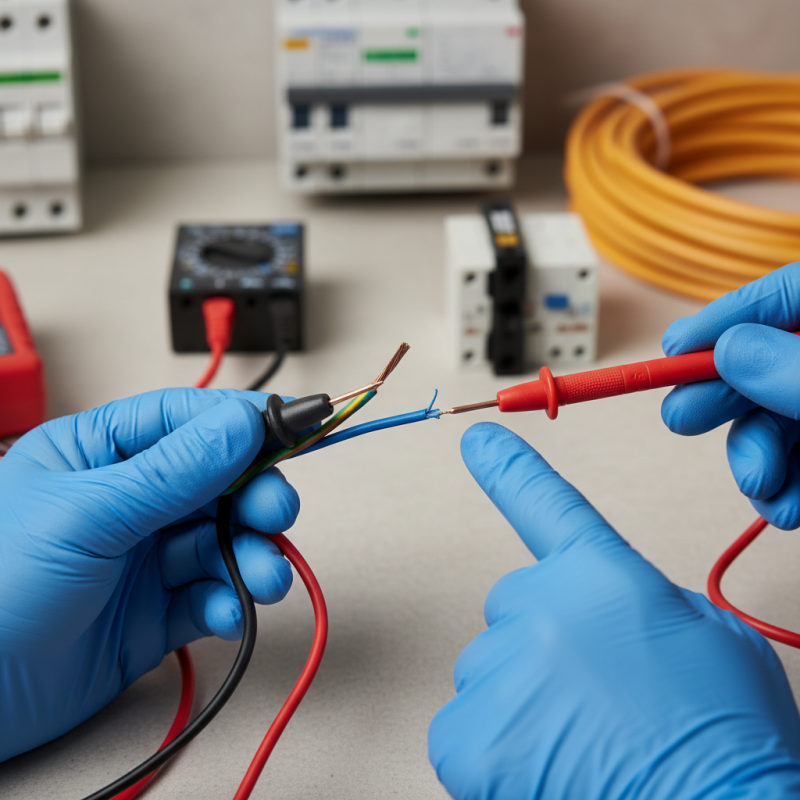
One effective tip is to use a multimeter. This tool can measure voltage, resistance, and current. A voltage reading outside the expected range signals a potential problem. Regular inspection is another key practice. Check for signs of wear, such as frayed wires or burn marks. These often indicate deeper issues that require immediate attention.

Testing should be a routine part of electrical maintenance. Many overlook this step, believing their systems are fine. However, proactive testing can save lives and property. Just a little effort can prevent costly damage. Don't delay; prioritize your safety today.

Top Tips for Testing Electrical Wires Effectively

Test Method Description Safety Importance
Continuity Test Checks for a complete path for current flow. Ensures there are no breaks in the wire.
Insulation Resistance Test Measures the resistance of the insulation to prevent current leakage. Protects against electric shock and fire hazards.
Voltage Test Verifies the voltage levels are within required limits. Detects overvoltage conditions that may damage equipment.
Wattage Test Checks the power consumption of electrical devices. Ensures devices are operating efficiently and safely.
Thermal Imaging Uses infrared cameras to detect hot spots in electrical systems. Identifies potential failures before they occur.

Common Methods for Testing Electrical Wires: Pros and Cons

Testing electrical wires is essential for safety and efficiency. Common methods include a multimeter, continuity tester, and voltage tester. Each has distinct pros and cons that should be considered carefully.

Using a multimeter offers versatility. It can measure voltage, current, and resistance. However, it requires some knowledge to interpret results. Mistakes can lead to incorrect conclusions. A continuity tester is simpler. It quickly checks if the circuit is complete, which is useful for basic diagnostics. Yet, it doesn’t measure any other parameters. This can overlook potential issues.

[Image] Voltage testers are the easiest to use. They show if wires carry current, which is crucial for safety. But they don’t evaluate the wire's condition. Reliance on this method can be misleading. Understanding the limitations of each tool helps avoid errors. Taking the time to reflect on the chosen method is essential for effective testing.

Key Equipment Needed for Effective Electrical Wire Testing

Top Tips for Testing Electrical Wires Effectively?

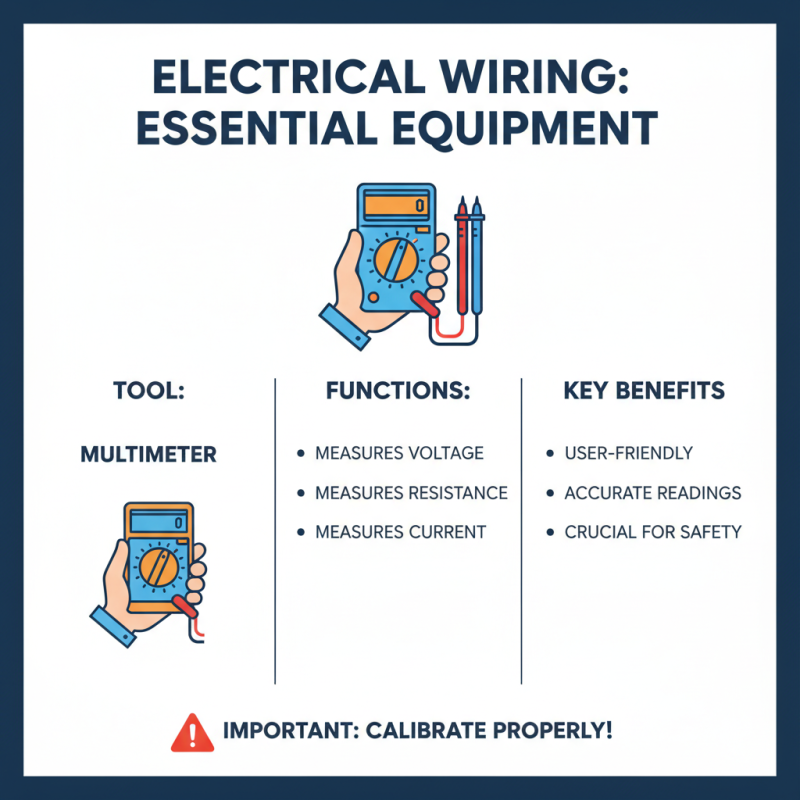
When testing electrical wires, having the right equipment is crucial. A multimeter stands out as one of the key tools needed. This device measures voltage, resistance, and current. It's user-friendly and offers accurate readings. Make sure your multimeter is calibrated properly. A miscalibrated tool can lead to false readings.

Another essential tool is the wire tester. This simple device can quickly determine if a wire is live or not. Choose a tester that has both audible and visual indicators. It helps to ensure your safety. Remember, the tester can sometimes malfunction. Always double-check with another meter if unsure.

Don't overlook safety gear, such as gloves and goggles. Protecting yourself is non-negotiable. Testing wires never comes without risks. Even professionals occasionally make mistakes. Keeping up with proper procedures and double-checking your methods is essential. Mistakes can happen, but learning from them will enhance your skills over time.

Interpreting Electrical Testing Results: What the Data Means

Interpreting electrical testing results can seem daunting. Understanding what the data means is crucial. Measurements like voltage and resistance inform you about wire condition. A high resistance reading may indicate breakage or poor connections. Low readings are often good, but context matters.

When testing, use the right tools. A multimeter is essential for accurate readings. Ensure your measurements are consistent; repeated tests help confirm results. Always double-check your connections before testing. Poor contact can lead to misleading data.

Document your findings carefully. Take notes and compare readings over time. Look for trends in the data. For instance, increasing resistance might hint at deterioration. If results are inconsistent, revisit your testing methods. It's important to reflect on these discrepancies. Understanding your results will lead to better maintenance and safety in electrical wiring.

Top Tips for Testing Electrical Wires Effectively

The chart above illustrates key electrical testing parameters that are important for assessing the safety and functionality of electrical wires. By analyzing these results, technicians can ensure compliance with electrical standards and identify potential issues.

Best Practices for Regular Maintenance and Testing of Electrical Wires

Top Tips for Testing Electrical Wires Effectively?

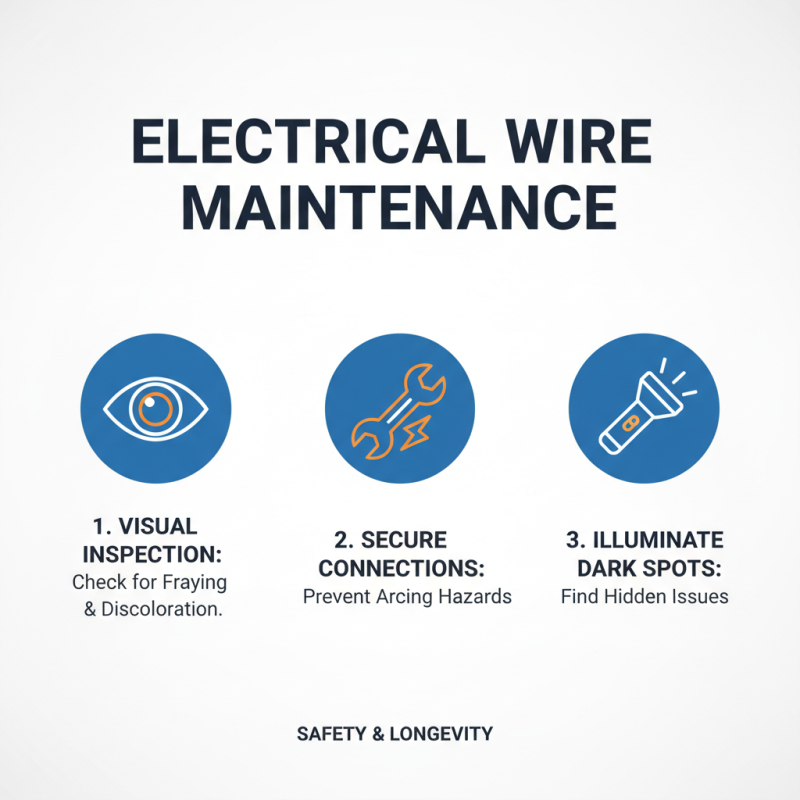
Regular maintenance and testing of electrical wires are essential for safety and longevity. It starts with a visual inspection. Look for signs of wear, such as fraying or discoloration. Pay attention to connections. Loose wires can lead to arcing, which is dangerous. Consider using a flashlight to illuminate hard-to-see areas. This small detail can reveal issues that might otherwise go unnoticed.

Testing involves more than just a glance. Use a multimeter to check for voltage. This tool helps identify issues like short circuits or improper grounding. Carrying out these tests regularly can prevent larger problems down the line. If you notice anything odd during your tests, don’t ignore it. Even small anomalies can indicate a bigger issue. It's important to reflect on what each finding means for overall system health.

Beneficial practices include keeping records of inspections and tests. Document findings to track changes over time. This helps in identifying patterns and planning further maintenance. Neglecting this can lead to costly repairs later. Remember, being proactive about electrical wire maintenance is key to preventing accidents. Routine checks are not just chores; they are critical steps for safety.