Top 10 Tips for Effective Gas and Electricity Checks?
Ensuring safety and efficiency in our homes starts with routine Gas and Electricity Checks. According to energy expert Dr. Elizabeth Morgan, “Regular checks can prevent hazards and save money.” Her insights highlight the importance of being proactive rather than reactive.
Gas and Electricity Checks are not just about compliance; they are essential for safety. A small oversight can lead to significant risks. Many homeowners overlook these checks due to busy schedules. However, neglecting them can result in dangerous situations and expensive repairs.
By understanding the importance of these checks, we can create a safer living environment. It's crucial to rely on professionals for assessments. Their experience ensures thorough and reliable inspections. Investing in these checks means prioritizing safety and peace of mind. Each step in the process can reveal potential issues needing attention, ultimately protecting your home.
Essential Safety Precautions Before Conducting Gas and Electricity Checks
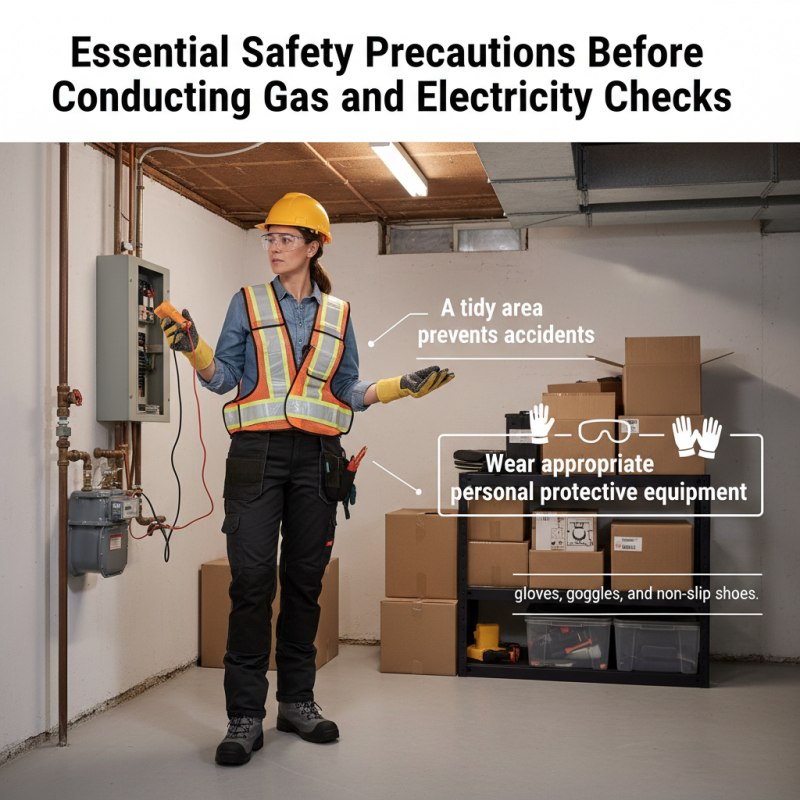
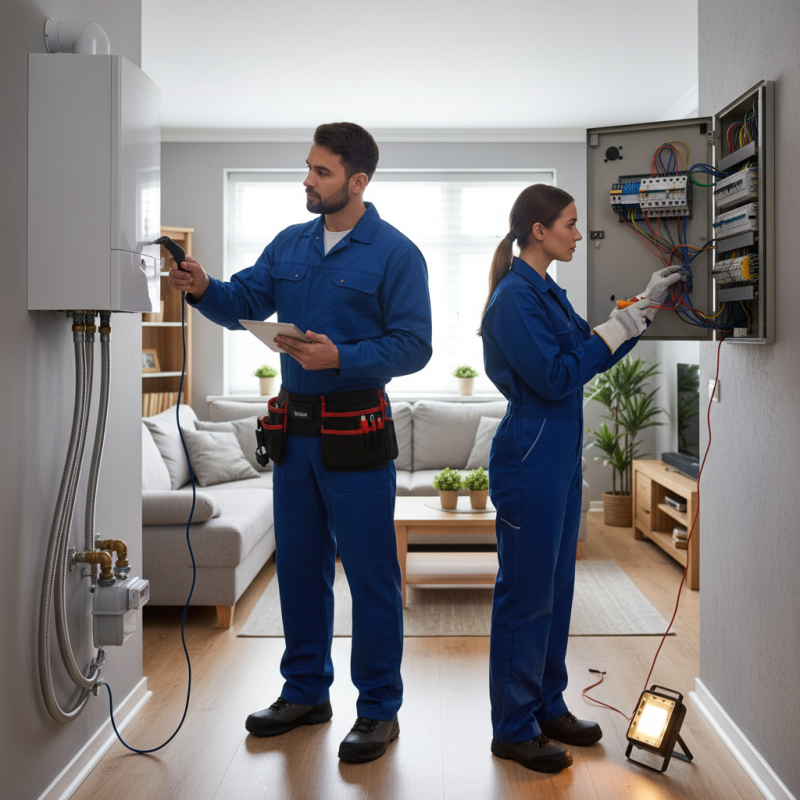
Before conducting gas and electricity checks, safety should always come first. It is crucial to ensure your workspace is clear of any obstructions. A tidy area prevents accidents and allows easy access to equipment. Wear appropriate personal protective equipment to shield yourself from potential hazards. This includes gloves, goggles, and non-slip shoes.
Next, always check for any signs of gas leaks. These can include a foul odor or hissing sounds. If you suspect a leak, evacuate the area immediately and call a professional. It’s vital not to ignore even minor indicators. Electricity poses similar risks. Ensure all electrical equipment is properly insulated. Inspect wires for any fraying or damage. An oversight here can lead to severe consequences.
Using proper tools is essential during checks. Quality tools improve accuracy and safety. They reduce the chances of human error, but they can also seem intimidating. Lack of familiarity may lead to mistakes. Don’t hesitate to seek guidance or training from experts. Ignoring this step could prove detrimental. Be mindful that experience counts. Even minor lapses in safety can have serious repercussions. Always reflect on your procedures and be ready to adjust your approach.
Step-by-Step Guide to Inspecting Gas Appliances for Efficiency
Inspecting gas appliances is crucial for efficiency and safety. Begin by checking for visible damage. Look for any cracks or corrosion on pipes and fittings. Such signs may indicate a leak. Ensure that all connections are tight and free from wear. Regular visual inspections can help you catch issues early.
Next, assess the flame of your gas appliances. A healthy flame should be blue, indicating proper combustion. Yellow or flickering flames can signal a problem. If you notice these colors, it’s essential to have the appliance serviced. Additionally, maintain ventilation around your gas appliances. Poor airflow can lead to inefficiency and potential hazards.
Keep an eye on the appliance’s performance. If it takes longer to heat up or produces unusual sounds, note these changes. Addressing minor glitches early can prevent bigger, costlier repairs. Remember, a well-functioning gas appliance not only conserves energy but also ensures your home remains safe. Regular checks foster peace of mind, allowing you to enjoy the comfort of your home without concerns.
Top 10 Tips for Effective Gas and Electricity Checks
This bar chart illustrates the efficiency ratings of gas appliances based on regular checks. The data represents an average efficiency score out of 100, evaluated across different types of appliances.
How to Identify Common Electrical Issues During Home Checks
During home checks, identifying common electrical issues is crucial for safety and efficiency. Reports by the National Fire Protection Association indicate that electrical failures contribute to 22% of home structure fires. Therefore, recognizing potential problems early can prevent dangerous situations.
Look out for flickering lights. This can indicate loose wiring or overloaded circuits. According to studies, 30% of homeowners experience issues with circuit overloads. Check your outlets regularly. Discoloration or burning smells are signs of serious concerns. At least 5% of households report using damaged outlets without immediate repairs, which is worrying.
GFCI outlets are vital in moisture-prone areas like kitchens and bathrooms. Less than 60% of homes have these installed properly, leaving many vulnerable to electrocution risks. Homeowners should also be wary of tripped breakers. Frequent trips may indicate overloaded circuits or faulty appliances. Ignoring these signs can escalate minor problems into costly repairs. Remember, safe homes start with vigilant checks.
Recommended Tools and Equipment for Comprehensive Utility Inspections
When conducting thorough gas and electricity checks, having the right tools is crucial. A digital multimeter is essential for measuring voltage and current. It can help identify electrical issues quickly. An infrared thermometer is another valuable tool. It allows for non-contact temperature readings, essential for spotting overheating components. These tools help ensure safety and efficiency during inspections.
For gas checks, a gas leak detector is indispensable. It alerts you to potential leaks quickly. Combining this with a manometer can provide accurate pressure readings. Additionally, a flashlight with a strong beam is useful for checking darker areas. Ventilation can be critical in these spaces, too; don’t underestimate the importance of a simple fan to promote airflow.
Quality inspections require reliable equipment. However, achieving the perfect setup can be challenging. Sometimes, tools may not perform as expected. Regularly calibrating your instruments can enhance their precision. Don’t forget to maintain these tools as well. A neglected device can lead to faulty readings, compromising safety. Consistently reviewing your procedures will help improve your inspection process.
Top 10 Tips for Effective Gas and Electricity Checks
| Tip Number |
Inspection Tip |
Recommended Tool |
Frequency of Check |
| 1 |
Visual Inspection for Leaks |
Gas Leak Detector |
Monthly |
| 2 |
Check Combustion Appliances |
Combustion Analyzer |
Annually |
| 3 |
Inspect Electrical Wiring |
Multimeter |
Bi-Annually |
| 4 |
Test Smoke and CO Detectors |
Test Button |
Monthly |
| 5 |
Check Circuit Breakers |
Circuit Tester |
Quarterly |
| 6 |
Inspect Heating System |
Pressure Gauge |
Annually |
| 7 |
Evaluate Insulation Levels |
Thermometer |
Every 5 Years |
| 8 |
Examine Gas Connections |
Wrench |
Every Year |
| 9 |
Monitor Energy Consumption |
Smart Energy Meter |
Monthly |
| 10 |
Conduct Regular Maintenance |
Maintenance Kit |
Annually |
Scheduling Regular Maintenance: Importance for Long-Term Safety
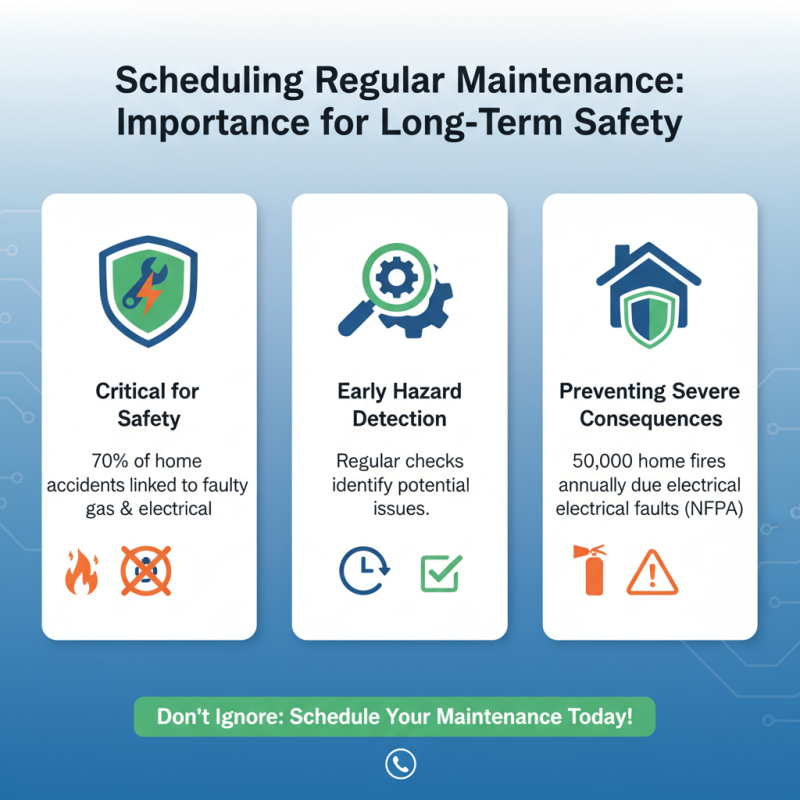
Scheduling regular maintenance for gas and electricity systems is critical. Reports indicate that nearly 70% of home accidents are linked to faulty gas and electrical equipment. Regular checks help identify potential hazards early. Ignoring these issues can lead to severe consequences. The National Fire Protection Association (NFPA) notes that nearly 50,000 home structure fires occur annually due to faulty electrical wiring or equipment.
Over time, systems degrade, and this can lead to inefficiencies. Routine maintenance ensures everything runs smoothly. The American Gas Association emphasizes that regular inspections can save homeowners up to 30% on utility bills. Neglecting maintenance often results in higher long-term costs. Energy audits reveal that outdated equipment can waste up to 25% of energy.
Some may find budgeting for regular checks a challenge. However, the peace of mind gained is invaluable. Delays in scheduling can often lead to emergency repairs, which are significantly more costly. Many homeowners underestimate the risks associated with poor maintenance. Understanding the long-term benefits is crucial for safeguarding homes and finances.