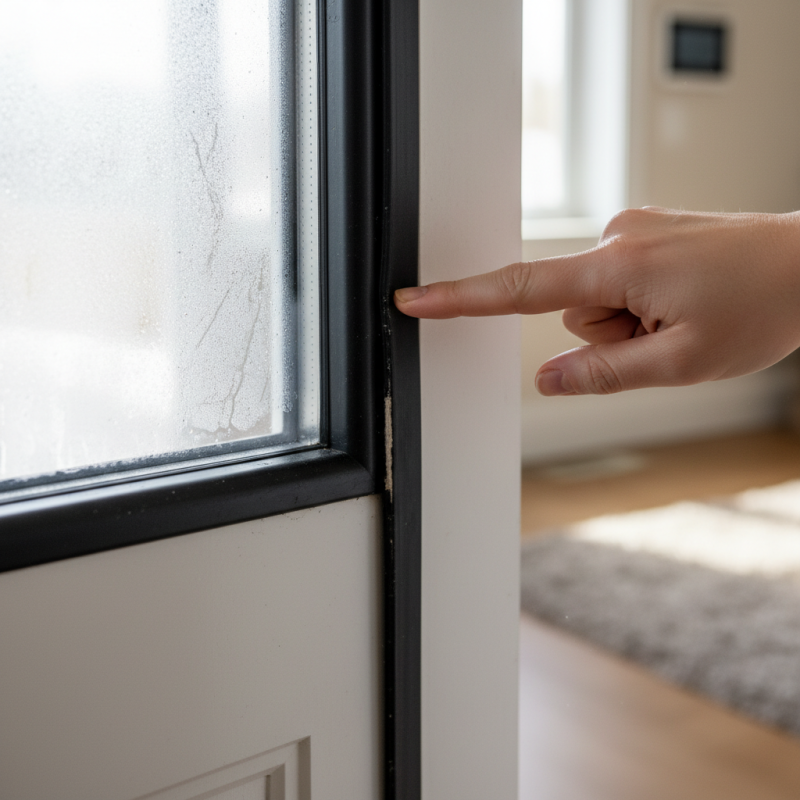
What is Door Frame Seal and Why Does It Matter?
A Door Frame Seal is an essential component in any building. It plays a critical role in preventing drafts and moisture. Proper installation enhances energy efficiency and comfort. When doors close, the seal creates a barrier against outside elements. This small part can significantly impact indoor air quality.
However, many overlook the importance of a Door Frame Seal. Some people may not consider how it affects heating and cooling costs. Over time, wear and tear can degrade the seal. Regular inspections are crucial for maintaining its effectiveness.
Understanding what a Door Frame Seal does can help homeowners make informed decisions. Investing in quality seals is worth the effort. They add value by creating a more comfortable living environment. Addressing potential issues early can prevent bigger problems later on.
What is a Door Frame Seal?
A door frame seal is a crucial component for any building. It fits snugly around the perimeter of a door, blocking drafts, moisture, and noise. The seals can be made from various materials, such as foam, rubber, or vinyl, ensuring a tight fit. When installed correctly, these seals improve energy efficiency by preventing air leaks, which can lead to significant savings on heating and cooling costs. According to the U.S. Department of Energy, proper sealing can reduce energy loss by up to 30%.
Choosing the right door frame seal is vital. It should match the door type and frame size. Many homeowners overlook this aspect. A poorly fitted seal can lead to water damage or increased energy bills. Additionally, a worn-out seal can compromise security. Regular inspection is essential. Replace seals that show signs of wear or deterioration.
**Tips:** Ensure the door closes tightly when you install a new seal. This ensures maximum efficiency. Also, consider seasonal changes. Some materials may perform better in different climates. Lastly, consult industry reports for updated best practices. Understanding evolving standards can enhance your home's energy efficiency and security.
What is a Door Frame Seal and Why Does It Matter?
| Dimension | Description | Importance |
| Material | Various materials including rubber, foam, and silicone. | Affects durability and effectiveness in sealing. |
| Size | Available in different widths and lengths to fit door frames. | Ensures a tight fit to prevent drafts and water leakage. |
| Type | Includes compression seals, adhesive strips, and magnetic seals. | Different types provide varying levels of insulation and performance. |
| Installation Method | Can be adhesive-backed or require mechanical fasteners. | Impacts ease of installation and long-term reliability. |
| Function | Prevents air, sound, and water from passing through gaps. | Improves energy efficiency and comfort within a building. |
Types of Door Frame Seals: A Comprehensive Overview
When considering door frame seals, it's crucial to understand the different types available. The three main categories include weatherstripping, door sweeps, and door gaskets. Weatherstripping is commonly used to block drafts. It typically consists of adhesive foam or rubber strips. These materials can naturally wear down over time, leading to ineffective sealing.
Door sweeps are another effective solution. They are attached to the bottom of the door. This type can prevent dust and pests from entering, in addition to stopping airflow. However, they may need regular adjustments, especially in high-traffic areas.
Door gaskets serve a specific purpose as well. They are mostly utilized in commercial settings. These gaskets provide a tighter seal compared to other options. Yet, installation can be complex and requires precise measurements. Understanding these options improves efficiency and comfort in any environment.
Key Benefits of Installing Door Frame Seals
Door frame seals play a crucial role in enhancing a building's energy efficiency and overall comfort. According to the U.S. Department of Energy, air leaks around doors can account for 25% of energy loss in a home. Installing door frame seals can significantly reduce this leak, helping to maintain indoor temperatures and lessen energy costs.
In addition to energy savings, door frame seals also provide sound insulation. A study by the Acoustical Society of America indicates that proper sealing can reduce noise intrusion by up to 20 decibels. This improvement not only enhances privacy but also contributes to a more peaceful living environment. Effective seals can echo a professional finish, bringing an aesthetic appeal while preventing drafts that may otherwise disrupt comfort levels.
Additionally, door frame seals can improve safety by keeping out pests. Research from pest control associations shows that gaps around doors allow easy access for insects and rodents. Sealing these entry points makes it harder for pests to invade, ultimately protecting the integrity of the home. Despite these clear advantages, homeowners often overlook the need for regular maintenance of seals. Worn or damaged seals can negate their benefits, leading to potential energy losses. Investing time in inspection can lead to long-term benefits, ensuring that door frame seals continue to perform well.
How to Choose the Right Door Frame Seal for Your Needs
Choosing the right door frame seal is essential for improving energy efficiency. According to the U.S. Department of Energy, door seals can reduce air leakage by up to 20%. This has a direct impact on heating and cooling costs. A proper seal prevents drafts and regulates temperature, which is especially vital in extreme weather.
When selecting a door frame seal, consider material and design. Options include foam, rubber, and silicone. Each material has unique properties. For instance, foam seals are easy to install and cost-effective. However, they may compress over time. Meanwhile, silicone offers better durability but comes at a higher price point. Match the seal's characteristics to your specific needs.
Always measure your door frame accurately. An ill-fitting seal may lead to gaps, defeating its purpose. Understand the climate in your area. This knowledge will guide you to the most suitable choice. Conducting thorough research is necessary; utilize industry reports to inform your decision. Look into user reviews and expert analyses to find the most reliable options available. This process can be tedious but pays off in energy savings over the long run.
Door Frame Seal Performance Comparison
This chart compares the performance of various door frame seal materials based on their sound insulation capabilities (in dB) and air leakage rates (in CFM). Choosing the right door frame seal is crucial for enhancing energy efficiency and acoustical comfort in a space.
Maintenance Tips for Door Frame Seals to Ensure Longevity
Door frame seals play a crucial role in energy efficiency and comfort in any home. According to the U.S. Department of Energy, up to 30% of a home’s heating or cooling can escape through gaps in doors and windows. Proper maintenance of door frame seals not only preserves energy but also prolongs the life of your HVAC system. Simple steps can lead to significant long-term savings.
Regular inspection is vital. Check for wear and tear, including cracks or deteriorated materials. Replacing worn seals can enhance insulation. A study from the National Renewable Energy Laboratory highlighted that sealing air leaks can save homeowners an average of $200 annually on energy bills. Use a flashlight to spot light leaks during the day; this will help identify problematic areas.
Cleaning is equally important. Dirt and debris can impair seal performance. Wipe down the seals with a damp cloth. After cleaning, apply a silicone-based lubricant to ensure flexibility and longevity. Many homeowners overlook this step, leading to premature failure of seals. By taking these preventative measures, you can maintain door frame seals effectively for years, ensuring both comfort and efficiency in your living space.