Discover the Best Surgical Light Options for Global Buyers?
In the world of modern medicine, the importance of high-quality Surgical Lighting cannot be overstated. Surgical lights are essential for ensuring precision during operations. They provide clear visibility for surgeons and their teams. The right surgical light can significantly enhance the surgical experience. Poor lighting can lead to mistakes. This is a crucial detail that demands careful consideration.
Global buyers face a plethora of options in the market. Each product boasts unique features and benefits. However, not all surgical lights meet the same standards. Factors such as brightness, color temperature, and energy efficiency must be evaluated. Reliability is key in this domain. A light that fails during a procedure can have serious consequences. Thus, ensuring quality and durability should be a priority.
Healthcare professionals should weigh their choices carefully. Exploring various models helps identify the best fit for specific needs. Ultimately, finding the optimal surgical light involves balancing capabilities, cost, and reliability. In doing so, we can enhance surgical outcomes and patient safety. This guide aims to illuminate the path to the best surgical light options available globally.
Understanding the Importance of Surgical Lighting in Medical Settings
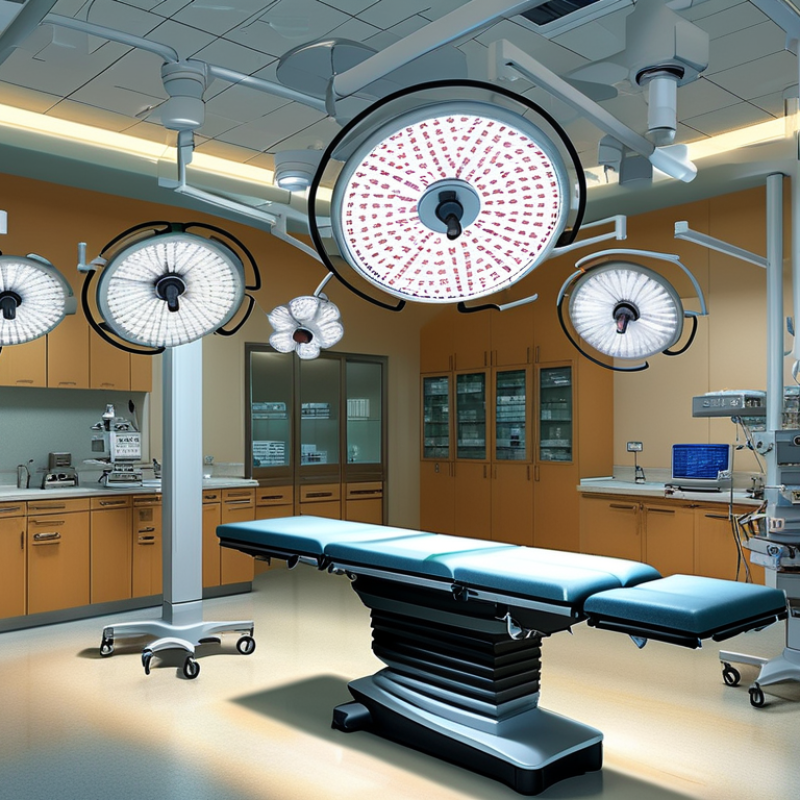
Surgical lighting plays a crucial role in medical settings. It directly affects the visibility surgeons have during procedures. Proper lighting improves accuracy and enhances patient safety. Inadequate lighting can lead to mistakes, which may jeopardize patient outcomes. Surgeons require bright, shadow-free light to perform intricate tasks effectively.
Different types of surgical lights exist, each with unique features. Some provide adjustable intensity, while others offer various color temperatures. Lighting should reduce glare and shadows. An ideal light source should be easy to adjust and positioned for maximum effectiveness. The design and functionality must serve the diverse needs of surgical teams.
However, choosing the right surgical light can be challenging. Some lights may not be compatible with specific operating room setups. Not all lighting technologies are created equal. It’s vital for medical facilities to consult experts when selecting lighting solutions. They must consider both immediate needs and long-term implications on workflows. Understanding these elements can lead to improved surgical performance and better patient care.
Key Features to Look for in High-Quality Surgical Lights
When selecting high-quality surgical lights, several key features make a significant difference. First, consider the brightness and color temperature. Adjustable brightness levels allow surgeons to adapt the light to their needs. A color temperature around 4,000 to 5,500 Kelvin mimics natural daylight. This can help improve visibility during procedures.
Another important aspect is shadow reduction. Some lights integrate advanced optics to minimize shadows. This enhances visibility, especially in deep surgical fields. Furthermore, pay attention to maneuverability. Lighting systems should be easy to adjust without losing focus. Mobility is crucial for quick repositioning during surgeries.
Durability is also a factor to take into account. Surgical environments are demanding. Equipment must withstand frequent use and cleaning. Additionally, it's essential to examine the energy efficiency of the lights. LED options often provide long lifespans and lower energy costs. These features together ensure reliable performance, but achieving the perfect balance can be challenging. Test multiple options before deciding.
Discover the Best Surgical Light Options for Global Buyers
| Feature | Description | Importance | Recommended Specification |
| LED Technology | Energy-efficient lighting with long lifespan. | High | Minimum 50,000 hours life span |
| Adjustable Brightness | Ability to change intensity based on surgical requirements. | High | 3-step or 5-step brightness control |
| Color Rendering Index (CRI) | Accurate color representation for tissues and organs. | High | CRI ≥ 95 |
| Mobility | Ease of movement and positioning during procedures. | Medium | Wheeled, with rotating arms |
| Shadow Control | Minimizing shadows during surgical procedures. | High | Multi-lens design for optimal illumination |
Types of Surgical Lights: Overhead, Portable, and Examination Options
When considering surgical lights, it's vital to understand the types available. Overhead surgical lights are the most common in operating rooms. They offer bright, focused illumination. These lights can be adjusted for height and angle, allowing surgeons to customize their lighting. It’s essential, however, to assess the placement of these lights carefully. Poor positioning may create shadows, hindering visibility during crucial moments.
Portable surgical lights provide flexibility. They are essential for field surgeries or in locations lacking fixed lighting. Many portable options are lightweight and battery-operated. While convenient, ensure they offer sufficient brightness and battery life for extended procedures. Some users report that portable models may not match the intensity of fixed lights. It’s a consideration to weigh based on specific needs.
Examination lights serve a different purpose. They are ideal for clinical settings and patient check-ups. These lights can be mounted on walls or ceilings, providing adequate illumination without overwhelming patients. However, they may not be suitable for all surgical environments. Users often find it challenging to achieve adequate lighting during complex procedures. It highlights the importance of choosing the right type of surgical light based on the context of use.
Top Brands and Manufacturers of Surgical Lighting Equipment
When it comes to surgical lighting equipment, understanding the top brands and manufacturers is crucial for global buyers. Various companies focus on creating products that enhance visibility and precision during surgical procedures. They offer a range of surgical lights tailored for specific needs, ensuring an optimal working environment for medical professionals.
Many manufacturers prioritize innovation and user feedback in their design process. This commitment to quality allows them to develop lighting systems with adjustable brightness and color temperatures. Imagine a high-definition light fixture that eliminates shadows and enhances tissue visibility. Such advancements form the backbone of modern surgical lighting technology.
However, not all products are created equal. Some brands may focus solely on aesthetics rather than functionality. This can lead to problems in real-world surgical settings. Buyers need to research and compare products thoroughly, considering reliability and performance in addition to looks. Each option has strengths and weaknesses. Exploring options requires careful thought and reflection on operational needs.
Global Trends and Innovations in Surgical Light Technology
Surgical light technology is rapidly evolving. Recent reports show that the global surgical lights market is projected to reach $2.4 billion by 2025. Key trends include LED lighting, automation, and improved energy efficiency. LED lights are preferred due to their long lifespan and lower heat emission. This enhances the comfort and precision needed during surgeries.
Incorporating advanced imaging systems is also gaining traction. This technology allows surgeons to see vital details more clearly. It helps in minimizing errors during complex procedures. However, the transition to these innovative systems can be challenging. Training staff to effectively use new technologies is crucial yet often overlooked.
Tip: Always consider a trial phase before full implementation. This allows for adjustments based on user feedback. Regular updates on staff training can significantly impact outcomes. Ensuring that your surgical lights are adaptable to future innovations is essential. Adapting to change can be a slow process, but it is necessary for maintaining effectiveness in surgical environments.