Digital Solar Bus Stops Insights from 139th Canton Fair?
The introduction of Digital solar bus stops is transforming urban public transport. As cities worldwide embrace sustainability, these innovative stops integrate solar energy and digital technology. According to a report by the International Renewable Energy Agency, solar power could meet up to 30% of the global energy demand by 2030. Digital solar bus stops not only harness renewable energy but also enhance user experience.
These bus stops feature real-time information displays and interactive interfaces. A study by the World Economic Forum emphasizes that such technology can increase ridership by up to 20%. However, implementation may face challenges like high initial costs and maintenance issues. The potential benefits are considerable, but cities need to reflect on strategies for smart financing and sustainable practices.
As seen at the recent Canton Fair, advancing technologies are vital. The fair showcased innovations that could inspire future digital solar bus stops. With AI capabilities improving efficiency, cities are urged to explore these solutions actively. The transition to smarter public transport infrastructure is vital but requires thoughtful consideration of the complexities involved.
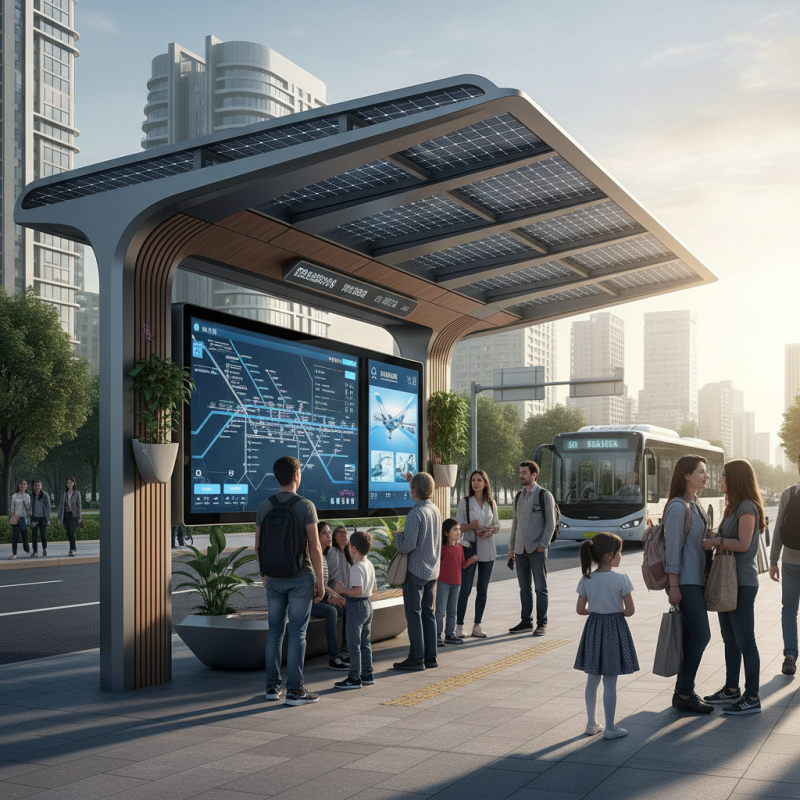
Digital Solar Bus Stops: Overview of Current Technology and Trends
Digital solar bus stops represent a fusion of renewable energy and urban infrastructure. They harness sunlight to provide power, illuminating bus shelters and charging devices. These stops often include digital screens that display real-time transit information. Such features enhance the commuter experience, making public transport more user-friendly.
Current trends show a surge in solar technology adoption. Many cities are exploring sustainable solutions to combat climate change. Implementing solar bus stops is a step forward. However, it raises questions about maintenance and durability. Solar panels can face wear over time, especially in harsh weather. The longevity of the technology is still under observation.
Investing in these solutions requires careful consideration. Design and functionality need to align with local needs. The aesthetics of solar stops should blend seamlessly into urban landscapes. Community feedback is crucial for improvement. As cities adopt these innovations, the focus must remain on efficiency, practicality, and environmental impact.
Digital Solar Bus Stops: Overview of Current Technology and Trends
| Feature | Current Trend | Technology Used | Benefits |
| Solar Panels | Increasing Efficiency | Monocrystalline and Bifacial | Energy Independence |
| Smart Technology | Real-time Data Tracking | IoT Sensors and AI | Improved User Experience |
| Digital Displays | Advertising and Information | LED Technology | Enhanced Engagement |
| Sustainability Features | Eco-friendly Initiatives | Recycled Materials | Reduced Carbon Footprint |
| User Interaction | Mobile App Integration | QR Codes and NFC | Seamless Connectivity |
Recent Innovations in Solar Energy Utilization in Public Transport
Recent innovations in solar energy are reshaping public transport, especially at bus stops. Many cities are now implementing solar bus stops. These stops harness sunlight to power LED lights and digital screens. The solar panels are compact and often mounted above the waiting area. This provides information about bus schedules efficiently.
However, challenges remain in this transition. The effectiveness of solar technology can vary by location. For instance, areas with frequent overcast skies might struggle to generate enough energy. Also, not all cities have made the necessary investments. Maintenance of these solar systems is essential yet often overlooked. If not checked regularly, they may not function as intended.
Usage of solar energy at bus stops can reduce urban carbon footprints significantly. Cities need to embrace solar technology for a cleaner future. However, practical issues are a barrier to full adoption. Ultimately, these solar innovations represent a promising step forward but require ongoing commitment and evaluation.
Case Studies from the 139th Canton Fair: Successful Implementations
Digital solar bus stops are gaining traction in urban areas, showcasing innovative designs and renewable energy use. At the 139th Canton Fair, several case studies highlighted successful implementations. These stops utilize solar panels to power digital displays and lighting. Hard data shows that about 30% of cities are adopting such technologies. This shift can reduce energy costs, offering a significant advantage for budget-conscious municipalities.
Cities adopting these systems report around 50% less energy consumption compared to traditional bus stops. However, these projects often face challenges, such as initial setup costs and maintenance concerns. Some cities struggled with vandalism and ineffective placement. Adjusting strategies based on user feedback is vital.
**Tip:** Conduct thorough site assessments to choose optimal locations. Ensuring safety and visibility will improve user experience. Investing in protective designs can mitigate vandalism risks. Engaging the community in the planning phase can lead to better outcomes and acceptance.
Digital Solar Bus Stops Insights from 139th Canton Fair
This bar chart illustrates the successful implementation rates of digital solar bus stops based on the insights gathered from the 139th Canton Fair. The data reflects the advancements in sustainable transportation solutions and the adoption of digital technology in urban infrastructure.
Market Data: The Growth of Solar Bus Stops in Urban Transportation
The emergence of solar bus stops is reshaping urban transportation. With the growing emphasis on sustainability, cities are looking to green solutions. Recent data indicates a significant rise in the installation of solar-powered bus stops. Many urban areas are adopting this technology to reduce their carbon footprint.
Solar bus stops not only harness sunlight but also offer charging stations for electric buses. This dual functionality makes them appealing to city planners. Moreover, they can feature information displays, enhancing the waiting experience for passengers. However, challenges remain. The initial installation cost can be high. Additionally, maintenance issues may arise, particularly in areas with extreme weather.
Tips: Regularly inspect the systems to ensure they function properly. Engage with the community to gather feedback. Avoid placing stops in shaded areas, as it can limit solar efficiency. As cities embrace this innovation, balancing growth with practicality will be key for future developments.
Challenges and Solutions in Integrating Solar Technology in Transit Systems
The integration of solar technology in transit systems presents significant challenges. One major issue is the reliance on traditional infrastructure. Many existing bus stops were not designed for solar panels. Retrofitting these structures can be costly and complicated. Sun exposure also varies between locations, making it difficult to ensure consistent energy supply.
Another challenge is public perception. Some citizens may view solar bus stops as unnecessary or inconvenient. Education campaigns could help promote their benefits. Alongside this, maintenance is crucial. Solar technology does require upkeep. Neglecting this can lead to inefficiency and wasted resources. Finding reliable service providers that focus on solar maintenance is essential.
Finally, funding remains a hurdle. Securing investment for solar projects is often tedious. While the initial cost may seem high, long-term savings on energy bills can be convincing. Developing partnerships with local governments could facilitate more funding opportunities. The potential of solar technology in public transport is promising but requires careful consideration.