Comprehensive Sludge Treatment Solutions for Global Buyers?
In recent years, Comprehensive Sludge Treatment has emerged as a critical focus in waste management. The global wastewater treatment market is projected to reach USD 290 billion by 2026, growing at a CAGR of 6.4%. This underscores the demand for effective sludge management solutions. Sludge is a byproduct generated from wastewater treatment processes. Mishandling sludge can lead to serious environmental and health issues.
Effective techniques for comprehensive sludge treatment include anaerobic digestion and dewatering. For instance, anaerobic digestion reduces the volume of sludge while generating biogas. This biogas can be converted into renewable energy, creating a dual benefit. However, some methods may not be feasible in all regions due to technical or economic constraints.
While many companies are developing innovative solutions, challenges persist. Some technologies can be expensive or complex to implement. Moreover, improper disposal still occurs in many areas. Achieving comprehensive sludge treatment requires a collaborative approach. Stakeholders must work together to enhance technology transfer and share best practices. This collaboration is essential for ensuring that all global buyers can access effective treatment solutions and meet regulatory standards.
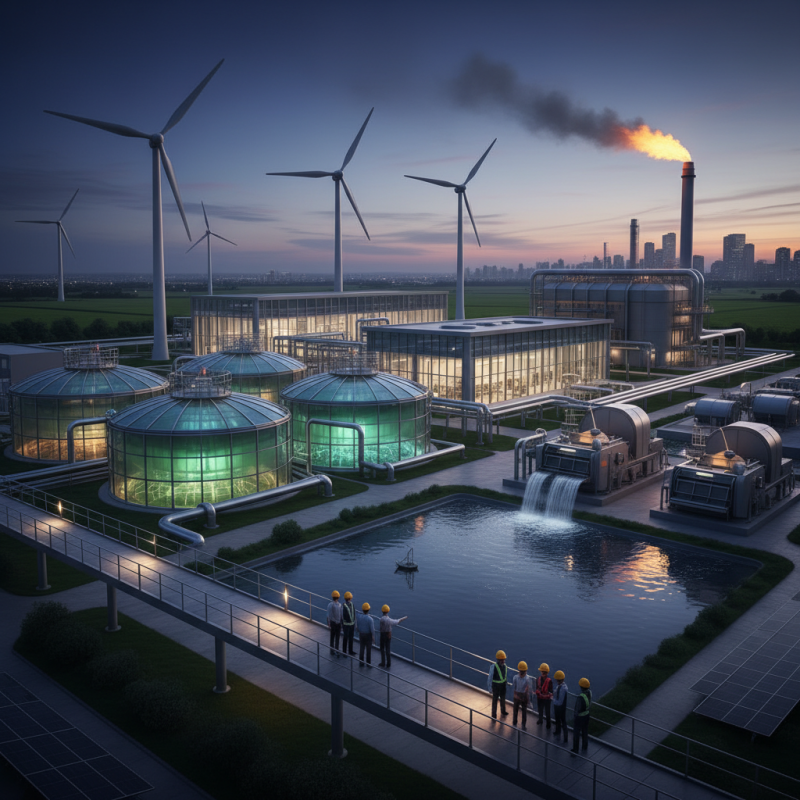
Overview of Sludge Treatment Technologies Worldwide
Sludge treatment technologies vary significantly across the globe. Different regions face unique challenges, which influence their choices. For instance, some areas emphasize aerobic treatment, while others opt for anaerobic methods. Aerobic processes rely on oxygen to break down waste, creating less odor but higher energy costs. In contrast, anaerobic treatment generates biogas, offering renewable energy but may lead to odor issues.
Advanced treatment methods include membrane bioreactors and thermal drying. Membrane bioreactors separate solids and liquids efficiently. They produce high-quality effluent, making reuse possible. However, this technology can be expensive and requires skilled operators. Thermal drying, on the other hand, reduces sludge volume but demands substantial energy input. Many facilities struggle with balancing cost and efficiency.
Emerging solutions like bioenergy recovery are gaining traction. These methods focus on converting waste into energy or resources. While promising, they still face technical hurdles and scalability issues. Countries are at different stages of adopting these technologies, revealing a need for tailored approaches. Sludge treatment remains a complex field, requiring continuous innovation and collaboration.
Types of Sludge Generated in Various Industries
Sludge generation varies across industries and plays a crucial role in environmental management. According to a report by the Global Water Intelligence, the wastewater treatment sector produces approximately 2 billion tons of sludge annually. This rise creates pressing challenges for industries aiming for sustainability.
In the food and beverage industry, for instance, organic sludge is a significant byproduct. About 20% of wastewater is composed of solids, requiring efficient treatment. This organic material can be highly beneficial if processed correctly. On the other hand, the textile industry generates a great deal of sludge rich in dyes and chemicals, posing more complex treatment challenges. Reports indicate that textile wastewater can contain up to 200 different chemicals, calling for specialized treatment solutions.
The construction sector contributes to another type of sludge. This heavy sludge, often containing silt and clay, can amount to thousands of tons during projects. Recycling and minimizing this sludge present ongoing challenges. Addressing these diverse types of sludge requires innovative technologies and a commitment to sustainable practices. Without effective management, industries may struggle to meet regulatory and environmental standards.
Innovative Solutions for Effective Sludge Management
Effective sludge management is crucial for environmental sustainability. Many industries face challenges with waste sludge disposal. Innovative solutions are essential to address these issues efficiently.
Technologies such as anaerobic digestion and thermal treatment can transform sludge into usable energy. These methods not only reduce waste but also generate valuable resources. However, implementation can be complex and costly. Many organizations struggle with adapting to new systems.
Collaboration among experts can enhance sludge treatment strategies. Knowledge sharing can lead to better solutions. Still, there is often a gap between theoretical approaches and practical applications. Real-world testing is vital to refining these techniques. Engaging with communities affected by sludge management is also important. Their insights can drive effective solutions tailored to local needs.
Challenges in Sludge Treatment and Disposal
Sludge treatment faces numerous challenges worldwide. Many facilities struggle with outdated technology and insufficient funding. These limitations hinder effective processing and raise environmental concerns. High treatment costs can deter facilities from upgrading their systems, leading to inefficient disposal methods.
Effective sludge management requires a combination of techniques and modern innovations. Wastewater treatment plants must assess their specific needs. This ensures appropriate methods are used. Investing in efficient dewatering and biogas production technologies can significantly reduce waste. Yet, the implementation of these solutions presents obstacles. Skilled personnel are often lacking, and training may be necessary.
Tips: Regular training programs for staff can improve efficiency. Collaborate with experts who can provide insights and support. Additionally, exploring alternative disposal methods could offer viable solutions. Finding a balance between cost and effectiveness is key. Assessing local regulations and environmental impacts also plays a crucial role in successful sludge management.
The Future of Sludge Treatment: Trends and Developments
The treatment of sludge is evolving rapidly. New technologies focus on improving efficiency and reducing environmental impact. Emerging methods include anaerobic digestion and thermal treatment. These processes not only minimize waste but also recover energy. Systems that integrate these technologies are gaining traction in various industries.
Global buyers seek solutions that comply with stricter regulations. The push for sustainability drives innovation. However, many existing methods face challenges, such as high operational costs and energy consumption. Some organizations may struggle to implement these advanced techniques effectively. Ensuring the reliability of these systems is crucial for long-term success.
Ongoing research plays a vital role in sludge treatment’s future. Studies explore alternative solutions like biochar and composting. Yet, the effectiveness can vary across different conditions. Buyers must evaluate each solution’s feasibility based on specific needs. Understanding these nuances can lead to more informed decisions. The journey toward better sludge management continues, highlighting the need for adaptability and innovation.