How to Choose the Right Spider Coupling for Your Application?
Choosing the right spider coupling for your application can be a daunting task. This critical component plays a major role in power transmission systems. John Smith, an expert in mechanical engineering, once said, "The right spider coupling can enhance system performance and reliability."
Understanding your specific requirements is essential. Various factors affect the selection process, including load capacity, torque, and environmental conditions. Each of these elements contributes to the effectiveness of the spider coupling. It is important to analyze these components before making a decision. Sometimes, options that seem ideal may not be the best fit upon closer inspection.
Many professionals overlook the importance of properly matching the spider coupling to their systems. Common mistakes include neglecting maintenance needs or not accounting for potential misalignment. Such oversights can lead to inefficiencies. Reflection on previous experiences with spider couplings can provide valuable insights and help avoid pitfalls in the future. A thoughtful approach ensures that your selection supports long-term operational goals.
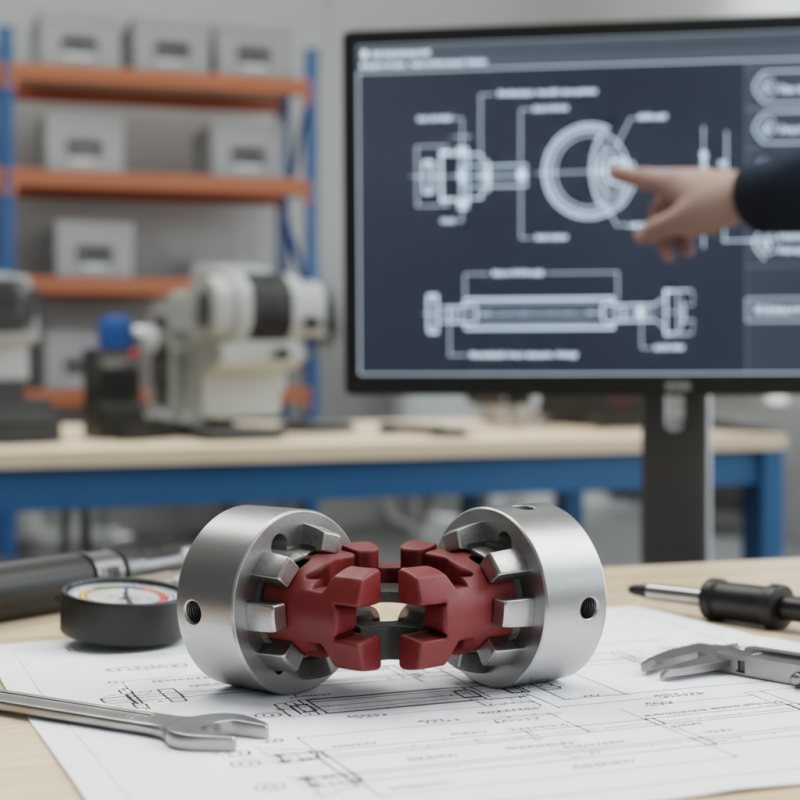
Factors to Consider When Selecting a Spider Coupling
When selecting a spider coupling, several key factors must be examined. Engine size and power rating are crucial. A coupling must handle the torque generated by the engine without failure. Beyond power, the environment matters. High temperatures or corrosive settings can affect the material selection. Make sure the coupling can withstand these conditions.
Flexibility is another important aspect. A good spider coupling should accommodate slight misalignments. This is essential for maintaining longevity and preventing mechanical failure. The number of spider legs also plays a role in distributing the load. More legs can sometimes lead to improved performance under certain conditions.
Installation and maintenance shouldn’t be overlooked. Some couplings are easier to replace than others. Complicated designs may require specialized tools. This can lead to downtime, which is costly. Reflect on your operational needs and maintenance capabilities before making a choice. Sometimes, simplicity offers real benefits.
Types of Spider Couplings and Their Applications
When it comes to spider couplings, understanding their types and applications is crucial. These couplings are widely used in various industries, providing flexible connections between shafts. The most common types include elastomeric spider couplings, disc couplings, and gear couplings. Each type serves different purposes and has distinct characteristics.
Elastomeric spider couplings are often favored for their shock-absorbing properties. They can handle high angular misalignment. Their material allows for a good balance of flexibility and strength. Data suggests that elastomeric couplings can reduce vibration levels by up to 30% in machinery. This can enhance the longevity of connected systems. They work well in pumps and fans, where vibration control is essential.
Disc couplings, on the other hand, are known for their high torque capabilities. They provide a rigid connection, making them suitable for high-speed applications. However, their rigidity can sometimes lead to stress in angular misalignment situations. Understanding these limitations is vital. Gear couplings are robust and often used in heavy machinery. Yet, they may require regular maintenance due to wear over time. Each coupling type comes with its own set of trade-offs, necessitating careful evaluation based on specific application needs.
Understanding Compatibility with Shaft Size and Shape
When selecting a spider coupling, understanding the compatibility with shaft size and shape is crucial. Every application is unique, and the dimensions of the shafts often dictate the best coupling choice. Spider couplings typically accommodate specific shaft diameters and profiles. Incorrect measurements can lead to misalignment. This misalignment often causes excess wear and mechanical failure.
Consider the shape of the shaft as well. Whether it's keyway, flat, or round can greatly affect the fit. In some cases, a coupling may seem compatible on paper. However, small variances can create issues in real-world applications. A loose fit can lead to vibration, while a tight fit may not allow for thermal expansion.
Always measure shafts accurately before making a selection. Often overlooked, these measurements are critical. A common mistake is assuming compatibility without verification. This kind of oversight can lead to downtime and increased costs. Taking time to assess shaft dimensions ensures a smoother operation and long-lasting performance.
Evaluating Load Capacity and Performance Requirements
When selecting a spider coupling, load capacity is a key factor. This measure indicates how much torque the coupling can handle. Understanding your system’s requirements is crucial. If you exceed the rating, failure can occur. This leads to costly downtime and repairs.
Performance requirements also matter. Consider factors such as speed and alignment. High-speed applications may require a specific design to minimize vibration. Misalignment can cause premature wear. It's essential to assess these elements carefully. A mismatch might mean re-evaluation is necessary. Taking notes during testing can help refine your choice.
Choosing the right coupling isn’t a simple task. Various factors intertwine, and sometimes, the ideal fit isn’t clear. Gathering feedback from colleagues can aid in decision-making. Engaging with the process can reveal overlooked details. Always remember, the goal is to find a solution that works well under your specific conditions. Reflect on past issues to guide your current choices.
Load Capacity of Spider Couplings for Various Applications
Maintenance and Durability Considerations for Spider Couplings
When selecting a spider coupling, maintenance and durability are crucial factors. Spider couplings can wear out if not correctly maintained. Regular inspections should become part of your routine. This helps identify signs of wear, like cracks or misalignments. Timely intervention can prevent costly breakdowns.
Tips: Always consult the manufacturer’s guidelines. Check alignment regularly. This will extend the lifespan of your coupling.
Durability is impacted by several conditions. Environmental factors can contribute to wear and tear. Ensure the spider coupling suits your mechanical requirements. Unexpected vibrations can cause premature failure. Take time to assess your application environment closely.
Tips: Monitor operational conditions continuously. Replace worn-out components promptly. Good practices help avoid unexpected failures. Regular checks can save you from larger issues.
How to Choose the Right Spider Coupling for Your Application? - Maintenance and Durability Considerations for Spider Couplings
| Coupling Type | Material | Torque Rating (Nm) | Max Speed (RPM) | Temperature Range (°C) | Maintenance Interval (Months) |
| Standard Spider Coupling | Nylon | 50 | 3000 | -30 to 80 | 12 |
| High Torque Coupling | Aluminum | 100 | 4000 | -20 to 100 | 6 |
| Chemical Resistant Coupling | Polyurethane | 75 | 3500 | -40 to 90 | 12 |
| Heavy Duty Coupling | Steel | 150 | 2500 | -10 to 120 | 18 |