How to Choose the Right Micro Switch for Your Project?
Choosing the right micro switch is crucial for any electronic project. These small devices can significantly impact the functionality of your design. From home appliances to industrial applications, micro switches play an important role. Understanding their features will help you make informed decisions.
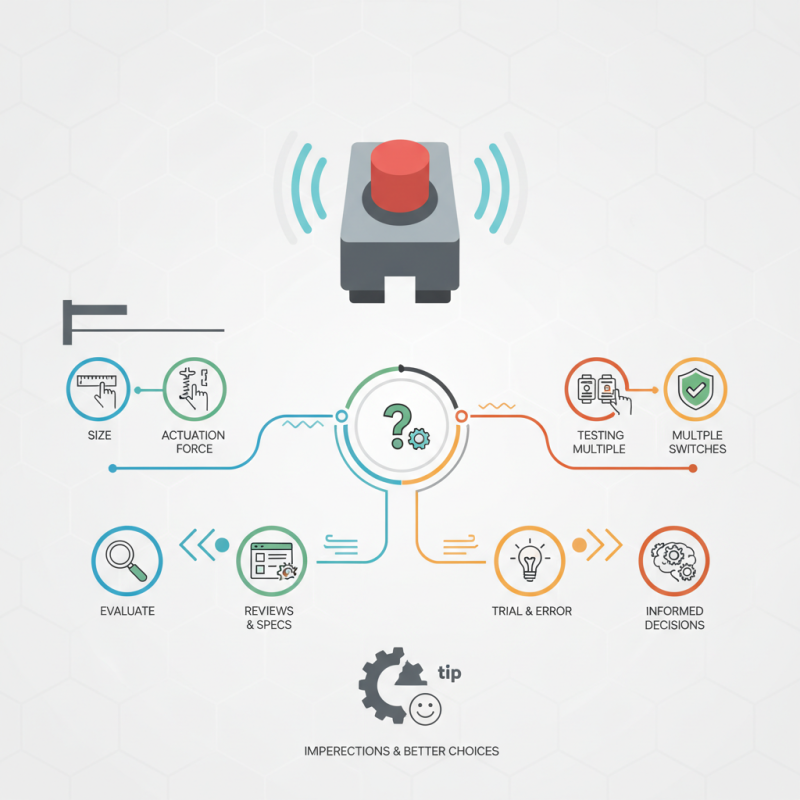
Different types of micro switches exist, each suited for various tasks. Consider factors such as size, actuation force, and mounting options. You may find that specific switches excel in certain environments but not others. Testing multiple switches can lead to unexpected results. This trial and error approach often reveals what might work best.
Don't overlook the importance of reliability and lifespan. Some micro switches may fail sooner than expected. Evaluating product reviews and specifications can help mitigate such issues. However, even the best specifications can’t guarantee performance in every context. Knowing that imperfections exist will guide you in making better choices.
Understanding Micro Switch Types and Their Functions
When selecting a micro switch, it's crucial to understand the types available. Two common types include single pole single throw (SPST) and double pole double throw (DPDT) switches. SPST switches control a single circuit, making them perfect for simple applications. They offer straightforward on-off functionality. On the other hand, DPDT switches control two circuits, allowing for more complex configurations. This can be useful in devices requiring multiple functions.
Micro switches often vary in their actuation methods. Some are lever-operated, while others use push buttons. Lever-operated switches provide a mechanical advantage, making them easier to activate. Meanwhile, push button switches can offer a more compact solution. Choosing the right actuation type can significantly affect usability and design.
It's also important to consider the electrical ratings of each switch. Pay attention to maximum current and voltage to avoid failures. A micro switch rated too low may burn out. Testing different scenarios can help identify the best match for your specific project. However, this might take time and require patience. Experimentation can lead to unexpected solutions and sometimes even mistakes.
Micro Switch Types and Their Usage in Various Applications
Key Specifications to Consider When Selecting a Micro Switch
When selecting a micro switch, certain key specifications must be considered. Start with the electrical ratings. Voltage and current ratings can vary widely. Make sure to match these with your project's requirements. A switch rated too low may fail under load.
Next, think about the actuation force. This is the force needed to operate the switch. Too much force can make operation difficult. Too little force might lead to accidental activation. Understanding the application can help you find the right balance.
Another important factor is the switch's lifespan. Durability matters, especially in high-use situations. Some switches wear out quickly. Look for specifications indicating the number of cycles a switch can handle. This knowledge can impact long-term performance. Always reflect on how each specification affects your project's needs. A slightly off choice can lead to significant issues later.
Factors Influencing Micro Switch Performance and Durability
When choosing a micro switch, understanding performance and durability is essential. Several factors influence their effectiveness. Environmental conditions, such as humidity and temperature, can impact a switch’s lifespan. For example, a switch exposed to moisture may corrode faster than one in a dry area. Quality materials also play a crucial role. Metals and plastics used in construction can determine durability.
Tip: Consider your project’s environment. If moisture is a risk, opt for switches with sealed designs.
Mechanical specifications are equally important. Actuation force, travel distance, and electrical rating should align with project needs. An under-rated switch may fail, while one rated too high can lead to wasted resources. Researching potential options and comparing specifications is vital for making informed decisions.
Tip: Don’t skip detailed testing before finalizing your choice. Testing can reveal unexpected weaknesses or failures.
Regular maintenance also contributes to long-term durability. Dust and debris can hinder performance over time, so routine checks are a must. Even high-quality switches require care. Recognizing when to replace a switch can save time and hassle in the long run.
Common Applications for Micro Switches in Various Industries
Micro switches are integral in various industries. They provide reliable performance in critical operations. One common application is in appliances. These switches control door openings in microwaves and ovens. Their small size allows for compact designs, but users sometimes overlook their placement. Poor positioning can hinder functionality.
In the automotive sector, micro switches serve multiple purposes. They detect whether doors are open or closed. They also play a role in safety systems. However, problems can arise with improper ratings. Choosing the wrong switch can lead to failures. This often leads to costly repairs and delays.
Industrial automation relies heavily on micro switches as well. They ensure machines operate correctly and safely. In assembly lines, they signal when to start or stop processes. Yet, sometimes their lifespan is shorter than expected. This can disrupt production.
Regular maintenance and inspections are essential in such cases. Finding the right micro switch requires careful consideration of these factors.
Tips for Sourcing and Purchasing Quality Micro Switches
Choosing the right micro switch can be challenging. Focus on material quality when sourcing these components. Look for switches made from durable materials. This ensures they withstand wear and tear. The switch's actuation force matters, too. It affects how easily the switch operates. Consider the environment where the switch will be used. High humidity or dust can impact performance.
Common mistakes occur during sourcing. Some buyers overlook specifications. Always verify voltage and current ratings. Different applications need different ratings. It’s easy to assume one switch fits all. Read reviews and compare options. Sometimes quotes can be misleading. Quality should not be compromised for price. Take your time and research widely.
Also, don’t forget about supplier reputation. A reliable supplier offers warranty and support. Check their response time when you have questions. This reflects their commitment. You may find affordable options that lead to issues down the line. Keep an eye on return policies. If a switch fails short term, it may impact your project significantly.
How to Choose the Right Micro Switch for Your Project? - Tips for Sourcing and Purchasing Quality Micro Switches
| Feature | Description | Importance | Considerations |
| Actuation Type | Momentary or maintained actuation; affects control. | High | Choose based on application requirements. |
| Operating Force | The amount of force required to operate the switch. | Medium | Ensure it matches your design specifications. |
| Contact Rating | Voltage and current the switch can handle. | High | Verify against system electrical parameters. |
| Environmental Ratings | IP ratings for dust and water resistance. | High | Consider installation location and exposure. |
| Form Factor | Physical size and shape of the micro switch. | Medium | Ensure it fits within your design constraints. |
| Lifecycle | Expected number of operations before failure. | High | Select based on durability needs of application. |
| Mounting Type | Surface, PCB, etc.; impacts installation. | Medium | Choose based on your assembly methods. |