How to Choose the Right Double Flanged Butterfly Valve?
Choosing the right Double Flanged Butterfly Valve can be a challenging task. These valves are crucial in various industries, such as water treatment and oil and gas. Understanding their specifications is essential for making the best choice.
The design of the Double Flanged Butterfly Valve impacts performance significantly. Key factors include size, material, and pressure rating. Selecting the wrong valve could lead to inefficiencies or failures. This can result in costly downtime and repairs. Valve selection is not just a technical decision; it requires careful assessment of operational needs.
Many buyers overlook the importance of installation and maintenance. Proper training and support are vital for effective use. It’s easy to assume that all valves are equal, but they are not. Each application brings unique challenges. Therefore, one must prioritize quality and reliability. Investing time in research leads to better choices overall.
Understanding the Basics of Double Flanged Butterfly Valves
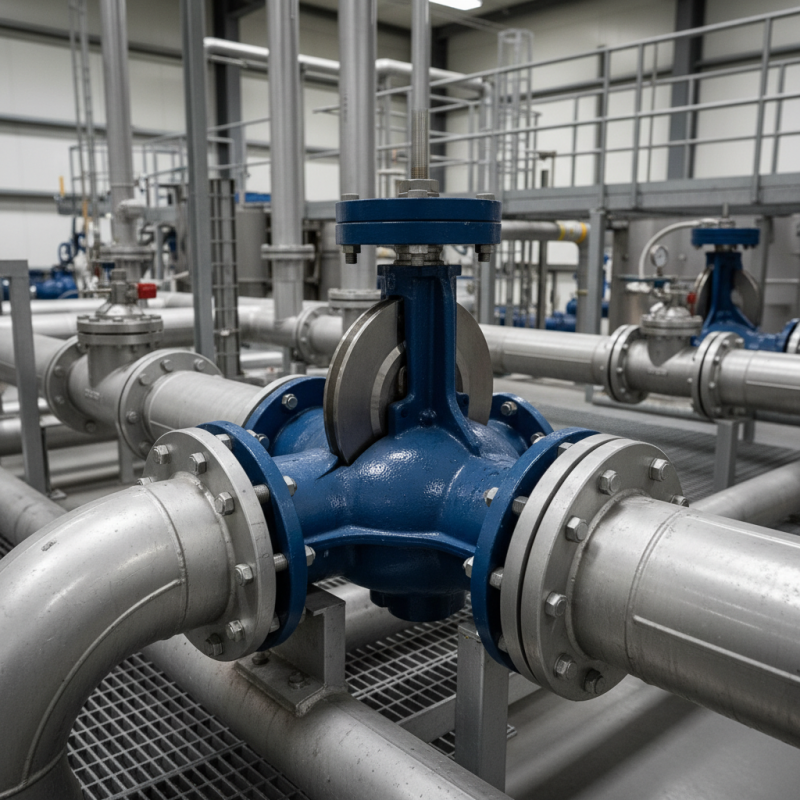
Double flanged butterfly valves are essential components in various industrial applications. Understanding their structure helps in selecting the right type for your needs. These valves consist of a circular disc that rotates within the valve body. This design allows for efficient flow control and isolation. Their flanged ends simplify installation, making them versatile in multiple settings.
When choosing a double flanged butterfly valve, consider the materials used. Different applications may require corrosion-resistant materials or heat-resistant options. The valve size and pressure rating are also crucial factors. A mismatch can lead to operational issues. Additionally, think about the intended medium. Some valves perform better with water, while others excel with gases or slurries.
Decisions in valve selection can be complex. It's essential to consult industry standards to ensure compliance. Seeking advice from experienced professionals can help navigate these challenges. In some situations, you might overlook specific details that impact performance over time. Reflecting on past experiences can guide better choices in future installations.
Comparison of Valve Performance Characteristics
This chart compares various performance characteristics between double flanged butterfly valves and standard butterfly valves, providing insights into flow coefficient, pressure drop, torque required, and valve size.
Key Factors to Consider When Choosing a Double Flanged Butterfly Valve
When selecting a double flanged butterfly valve, prioritize the type of materials used. The valve body should withstand the specific pressure and temperature of your system. Stainless steel and ductile iron are common choices that offer strength and corrosion resistance. Always consider how the valve will interact with the fluids in your system. Compatibility is vital to ensure longevity and effective operation.
Another important factor is the valve size. An ill-fitting valve may lead to leaks or inefficiencies. Make sure to measure the pipe diameter precisely before making your choice. Remember, oversizing or undersizing can cause significant issues down the line, including increased maintenance costs. Additionally, pay attention to the actuator type. Manual, electric, or pneumatic actuators will impact the valve performance.
Finally, installation ease is often overlooked. A complex setup can lead to installation errors. Look for valves that come with clear installation guides. Sometimes, manufacturers will provide helpful resources. Consider the support track record of the chosen manufacturer. Having reliable backup and assistance is invaluable for troubleshooting. This makes a more significant difference than anticipated.
Material Selection for Durability and Performance in Valves
When selecting materials for double flanged butterfly valves, durability and performance are paramount. The chosen material directly influences the valve's resistance to corrosion, pressure, and temperature variations. According to industry reports, approximately 30% of valve failures are due to inappropriate material selection. This statistic highlights the necessity of careful evaluation.
Stainless steel is often favored for its superior strength and corrosion resistance. It performs well in harsh environments. However, under certain conditions, it may be susceptible to stress corrosion cracking. In contrast, ductile iron is another popular choice, offering excellent mechanical properties. This material is cost-effective but might not withstand aggressive chemicals found in some industrial applications.
The thickness of the valve body material is also critical. Research shows that a thickness increase can enhance performance but adds to the weight and cost. Using lightweight, high-strength composites may seem beneficial, yet these materials can sometimes lack long-term reliability. Therefore, understanding the specific application and potential challenges is vital in material selection for double flanged butterfly valves.
Assessing Pressure and Temperature Ratings for Optimal Valve Function
When selecting a double flanged butterfly valve, understanding the pressure and temperature ratings is crucial. These ratings determine how well the valve can perform in specific environments. High-pressure systems require valves that can withstand significant force. The temperature of the fluid also plays a key role. Too much heat can damage internal components. Therefore, both factors must align with the system’s needs.
Tips: Always check manufacturer specifications. Assess not only the maximum pressure but also the working pressure. Find out the temperature limits for your application. These details will help ensure your valve operates safely and efficiently.
When faced with a range of options, it’s easy to overlook small details. However, ignoring ratings can lead to failures. A valve may seem ideal but verify its capabilities. Consider potential variations in pressure and temperature. Fluctuations in operation may require a more robust design to ensure reliability. Failure to account for these factors could reflect poorly on overall system performance.
How to Choose the Right Double Flanged Butterfly Valve? - Assessing Pressure and Temperature Ratings for Optimal Valve Function
| Valve Size (inches) | Pressure Rating (psi) | Temperature Rating (°F) | Body Material | Seat Material |
| 2 | 150 | 200 | Cast Iron | Nitrile |
| 4 | 150 | 250 | Carbon Steel | EPDM |
| 6 | 300 | 300 | Stainless Steel | PTFE |
| 8 | 150 | 300 | Ductile Iron | NeoPrene |
| 10 | 150 | 250 | Aluminum | Viton |
Installation and Maintenance Tips for Double Flanged Butterfly Valves
When it comes to double flanged butterfly valves, proper installation is crucial. Ensure that the valve is positioned between flanges without any misalignment. This prevents stress on the valve body. Use appropriate gaskets to avoid leaks. Tighten the bolts gradually. This helps distribute pressure evenly, reducing the risk of damage. Monitoring the installation process can reveal potential issues early.
Regular maintenance is essential for optimal performance. Inspect the valve regularly for signs of wear or damage. Lubrication is necessary for the stem and disc. Use the correct type of lubricant to avoid corrosion. Sometimes, valves may become stuck due to debris buildup. Cleaning them thoroughly can prevent this dilemma. Be proactive. Neglecting maintenance can lead to costly repairs later. Each valve presents unique challenges. It’s important to adapt your approach based on specific circumstances.