How to Choose the Right DC Isolation Switch for Your Project?
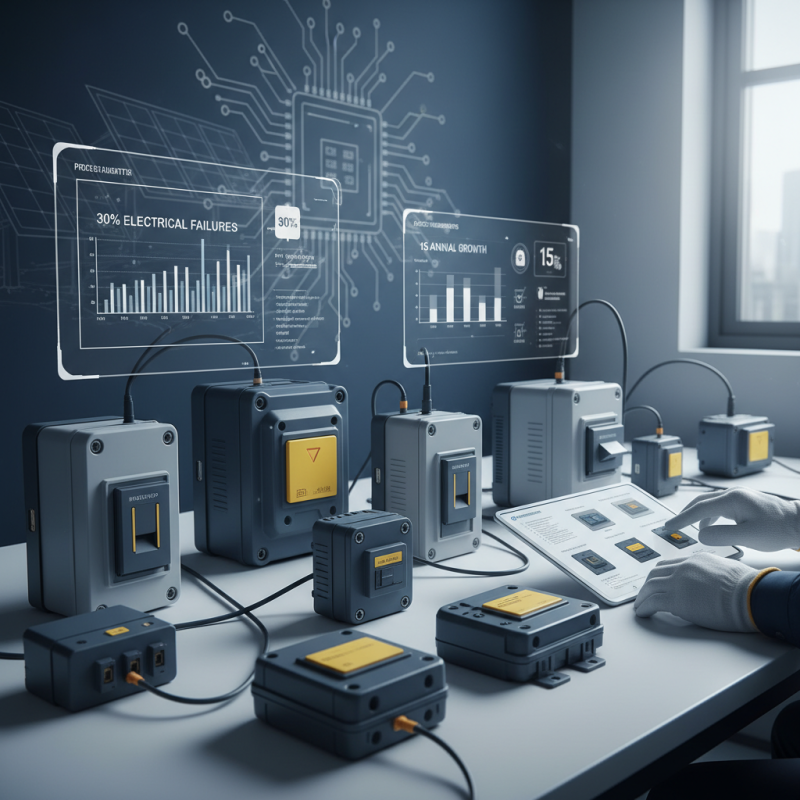
Selecting the right DC Isolation Switch is crucial for project success. A recent industry report highlighted that over 30% of electrical failures stem from improper switch selection. This statistic emphasizes the need for careful consideration when choosing components.
DC Isolation Switches play a vital role in ensuring system safety and reliability. They help isolate circuits in photovoltaic systems, preventing potential electrical hazards. In the growing solar market, the demand for reliable DC Isolation Switches has surged, with an expected growth rate of 15% annually.
However, not all switches are created equal. Factors like voltage ratings, environmental specifications, and space constraints must be evaluated thoroughly. Failure to address these aspects can lead to costly mistakes and downtime. It's essential to reflect on your project's specific requirements and select a switch that meets them effectively.
Understanding the Purpose of DC Isolation Switches in Electrical Systems
DC isolation switches play a crucial role in electrical systems. They ensure safety and reliability in various applications. These switches help to disconnect power sources from circuits. This is essential for maintenance and troubleshooting tasks. When you need to work on a system, isolation switches provide a safe environment. They prevent accidental energization, which can lead to serious accidents.
Selecting the right DC isolation switch is not always straightforward. Consider factors such as voltage and current ratings. You must also think about environmental conditions. Will the switch be outdoors? Extreme temperatures might affect performance. Reflect on the installation space as well. A compact design might be necessary for tight areas. Additionally, you must evaluate compatibility with your system.
There are many choices available, yet not all are perfect. Some may not meet your project's specific requirements. Others might be too costly for your budget. It's essential to weigh the options carefully. Sometimes, the best choice is not the one with the best features. Balancing performance and cost is key. Thoughtful decisions can lead to safer, more efficient electrical systems.
Key Factors to Consider When Selecting a DC Isolation Switch
When selecting a DC isolation switch, several key factors come into play. Understanding the voltage and current ratings is crucial. The switch must handle the specific requirements of your application. Choosing a switch with insufficient ratings can lead to failures. This can be both dangerous and costly.
Consider the design and form factor of the switch. It needs to fit within the existing layout of your project. Size and mounting options can significantly impact compatibility. Look at the ease of operation as well. A cumbersome switch can slow down processes and create frustration.
Lastly, think about environmental conditions. Is the switch exposed to moisture or dust? Selecting a switch with appropriate ingress protection is vital. If the switch fails, it could lead to larger issues. Balancing all these factors requires careful thought and evaluation. Reflecting on these considerations can lead to a more effective project outcome.
Types of DC Isolation Switches and Their Applications
When selecting a DC isolation switch, understanding the types available is crucial. There are three main types: manual switches, automatic switches, and remote-operated switches. Each serves distinct applications based on equipment needs. Manual switches are simple but can require frequent operator involvement. This is a drawback when tasks demand quick response times.
Automatic switches, on the other hand, offer enhanced safety and efficiency. According to industry reports, these switches can reduce downtime by 30%. This can significantly impact operational costs and system reliability. Remote-operated switches provide a modern solution. They allow for control from different locations, ensuring safety from electric shocks.
In renewable energy projects, DC isolation switches are essential. Solar panel systems often use these switches for maintenance and safety. However, the choice isn't straightforward. The specific requirements of the project, including voltage levels and current ratings, must guide the decision. Many users overlook this detail. This may result in incompatible components or increased risks.
Types of DC Isolation Switches and Their Applications
Evaluating Technical Specifications for Your Project’s Needs
Choosing the right DC isolation switch requires careful assessment of technical specifications. Understanding voltage ratings is crucial. Many systems operate around 600V DC, but some applications may push up to 1000V. The National Electrical Manufacturers Association (NEMA) states that selecting the correct voltage rating can avoid potential hazards.
Current-carrying capacity is another critical factor. A switch must handle the load without overheating. Research indicates that a switch rated for at least 125% of the expected load can enhance performance. Thermal management is often overlooked. Ignore this, and you might face premature failure.
Lastly, consider the environment. Look for switches with appropriate ingress protection (IP) ratings. A dusty or moist environment demands higher protection. According to data from the Institute of Electrical and Electronics Engineers (IEEE), many failures occur in harsh settings. Insufficient protection invites problems. An optimal choice focuses on all these technical details, ensuring reliability and safety. Remember, cutting corners here leads to costly repairs.
Best Practices for Installing and Maintaining DC Isolation Switches
When installing and maintaining DC isolation switches, attention to detail is crucial. Proper positioning ensures that the switches are accessible. This minimizes risks during maintenance. Ensure the switches are mounted on stable surfaces. Check that all connections are secure and free from corrosion. Using weatherproof enclosures can safeguard against environmental elements.
Regular inspection is essential to prolong the lifespan. Look for signs of wear or damage. Performing routine tests helps ensure functionality. Some operators overlook this step, leading to potential failures. It's wise to keep a log of these inspections. This not only tracks maintenance but also identifies recurring issues. Have a plan for replacement parts ready, as delays can lead to downtime.
Training for personnel is an often neglected aspect. Teaching staff about operational hazards is vital. They should understand the importance of isolation during repairs. It's extremely important to communicate effectively with the team. Encourage them to report any anomalies. This way, the project can continue safely and smoothly. Balancing these practices will enhance safety and reliability.