How to Choose the Right Ball Bearing for Your Project?
Choosing the right Ball Bearing for your project is crucial. The ball bearing industry is vast, with a global market expected to reach $25 billion by 2026. This growth underscores the importance of selecting the proper bearing type for specific applications. According to Dr. James L. Carter, a renowned expert in bearing technology, “The precision of a ball bearing can define the success of an engineering project.”
Different projects demand different types of ball bearings. Factors like load capacity, speed, and environment play significant roles. Each bearing style has unique characteristics that suit particular uses. Some might excel in high-speed applications, while others are perfect for heavy loads. Misunderstanding these characteristics can lead to significant project setbacks.
It’s important to reflect on your specific needs before choosing a ball bearing. Consideration of factors such as lubrication and operating temperature is essential. A slight oversight in this selection can affect performance and durability. Ultimately, knowing how to navigate the options available can make or break your project's effectiveness.
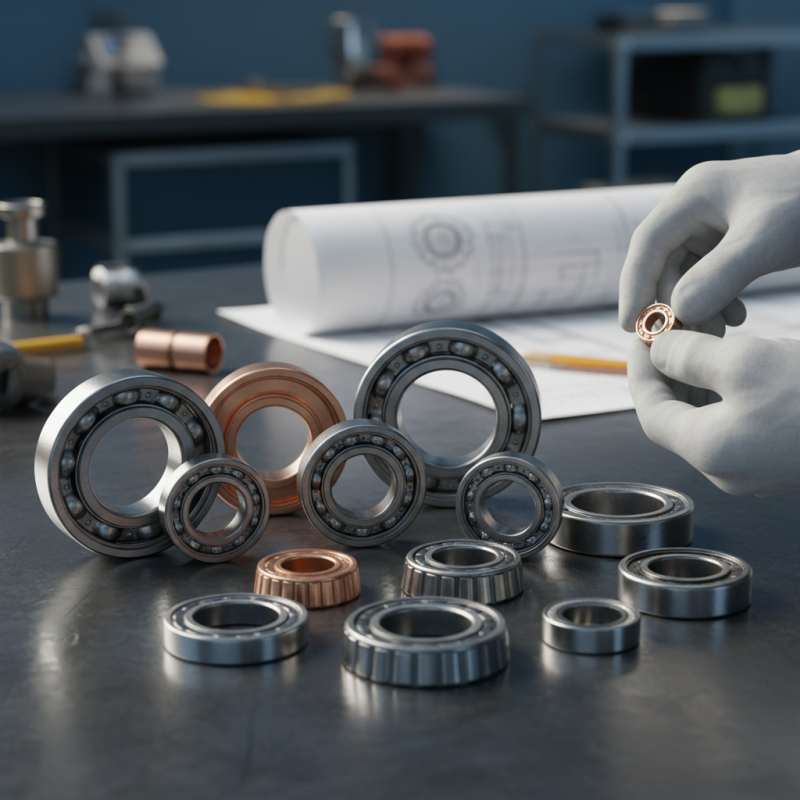
Understanding Different Types of Ball Bearings and Their Applications
Choosing the right ball bearing is crucial for any project. Different applications require different types of ball bearings. For instance, deep groove ball bearings are versatile. They can handle both radial and axial loads. This makes them suitable for electric motors and automotive applications.
In contrast, angular contact ball bearings are designed for high-speed applications. They excel in situations where thrust loads are present. You may find them in spindle bearings for machine tools. It’s important to consider the specific conditions where bearings will be used.
**Tip:** Always evaluate the load capacity you need. Understanding the limitations of each bearing type can save you time and resources.
Another consideration is lubrication. Some bearings come pre-lubricated while others do not. Choosing the wrong type might lead to increased friction and premature failure.
**Tip:** Regular maintenance can extend the life of your bearings. Check for signs of wear and replace them as necessary.
Finally, don’t underestimate the importance of dimensions. The size and fit of the bearing matter significantly. A slight mismatch can cause issues down the line.
Factors to Consider When Selecting Ball Bearings for Your Project
Choosing the right ball bearing for your project can be daunting. There are several factors to keep in mind. The load capacity is crucial. Consider the weight the bearing needs to support. Overloading can lead to premature failure. Think about the bearing's size too. It must fit your design without compromising performance.
Next, consider the environment. Will the bearing be exposed to dirt, moisture, or extreme temperatures? Sealed or shielded bearings may be necessary for added protection. Don’t overlook lubrication options either. Proper lubrication can extend the lifespan of the bearing. Remember, a poorly lubricated bearing will wear out faster.
Lastly, think about the speed requirements. Different bearings are rated for different speeds. Using a bearing that can't handle the required speed may result in overheating. Test your selections if possible. Sometimes, the theoretical choice isn't the practical choice. Small details can lead to significant issues in project outcomes. Be ready to rethink your options.
How to Choose the Right Ball Bearing for Your Project? - Factors to Consider When Selecting Ball Bearings for Your Project
| Bearing Type | Load Capacity (N) | Speed Rating (RPM) | Operating Temperature (°C) | Material |
| Deep Groove Ball Bearing | 3500 | 6000 | -20 to 120 | Steel |
| Angular Contact Bearing | 5000 | 15000 | -30 to 150 | Ceramic |
| Self-Aligning Bearing | 4500 | 8000 | -20 to 100 | Stainless Steel |
| Thrust Ball Bearing | 2000 | 1200 | -10 to 80 | Bronze |
| Spherical Roller Bearing | 8000 | 4000 | -20 to 120 | Steel |
Evaluating Load Capacity and Performance Requirements of Ball Bearings
Choosing the right ball bearing can be a daunting task. Evaluating load capacity and performance requirements is critical. According to industry reports, the load capacity of bearings is often linked to their size and material. Larger bearings typically bear greater loads. However, material choice also plays a significant role. Stainless steel bearings often provide better corrosion resistance, while ceramic materials can operate at higher temperatures.
When assessing load capacities, think about dynamic and static loads. Dynamic load ratings usually differ from static ratings. For instance, a ball bearing may have a dynamic load rating of 2,000 N, but a static load rating of 3,500 N. This distinction is crucial for applications subject to varying forces. Failing to account for this can lead to premature bearing failure.
Tips: Consider your project’s specific needs. If you expect high loads, opt for bearings with higher dynamic ratings. It’s wise to allow for a safety margin in your calculations. Always check the manufacturer's specifications for performance data. Don’t overlook the importance of proper lubrication. This can significantly enhance bearing life under load.
Examining Material Choices and Their Impact on Bearing Durability
When selecting ball bearings, material choice is crucial. Common materials include stainless steel, plastic, and ceramic. Each option presents unique advantages and disadvantages. Stainless steel offers strength and corrosion resistance. However, it can be heavy and less suitable for high-speed applications. Plastic bearings, while lightweight, may not provide the same durability. They can wear out quickly under heavy loads.
Ceramic materials stand out for their hardness and low friction. They are ideal for high-speed operations and environments prone to corrosion. Yet, ceramics can be brittle. They may crack under sudden stress or impact. Evaluating the operational conditions is necessary when choosing. Factors like load, speed, and environment must be accounted for.
It's also essential to reflect on the project's requirements. A mismatch in material and application can lead to premature failure. Testing different materials can be beneficial. Trial and reflection might reveal unexpected performance issues. This exploration can guide future selections and improve project outcomes.
Analyzing Cost vs. Quality in Ball Bearing Selection for Projects
Selecting the right ball bearing for your project involves a careful analysis of cost versus quality. High-quality bearings usually offer better performance and durability. However, lower-cost options might be more suitable for some applications. Finding the right balance is crucial.
When evaluating options, consider the application's requirements. You need to assess load capacity, speed, and operating environment. Sometimes, a slight compromise on quality can save costs significantly. Yet, it's vital not to overlook performance. Subpar bearings can lead to increased friction and shorten the lifespan of your equipment.
Tips:
- Look for bearings that meet industry standards.
- Evaluate the total lifecycle costs, not just the purchase price.
- Test lower-cost alternatives to verify their effectiveness before full-scale implementation.
Reflect on the long-term implications of your choice. Saving money now might lead to greater expenses later.
Balance is key in decision-making. Taking time to analyze your options can prevent costly mistakes down the line.